


Predicting the future of war and peace has always been a fraught exercise. But as the world navigates a landscape of shifting power dynamics, the task becomes even more complex, particularly when looking at US foreign policy after the 2026 midterms.
The Unpredictable Art of Negotiation
At
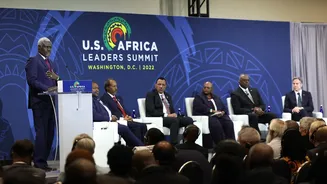
its core, predicting the outcome of any international negotiation is exceptionally difficult. Success or failure hinges on a dizzying array of factors, including the conflicting agendas of multiple state and non-state actors, the structural complexity of diplomatic conferences, and the bureaucratic inertia of international institutions. Even with advanced modeling, forecasts are often wrong because they cannot fully account for strategic indeterminacy and the specific incentives driving leaders to either escalate or de-escalate a crisis. The simple truth is that history is filled with examples of peace efforts and conflicts that defied expert predictions, reminding us that effective description of a problem does not guarantee accurate prediction of its resolution.
The Trump Factor: A Disruption to Doctrine
Adding a unique layer of unpredictability is Donald Trump's distinctive approach to foreign policy. His 'America First' doctrine is built on a transactional and often deeply personal style of negotiation. He views allies as potential free-riders and prefers using leverage, such as tariffs, to force concessions rather than relying on traditional diplomatic channels. This approach is designed to be disruptive, keeping both allies and adversaries off-balance. While his supporters see it as a pragmatic way to protect US interests, critics argue it weakens key alliances, creates power vacuums, and undermines the rules-based international order. Regardless of perspective, his methodology deliberately rejects the predictable scripts of conventional diplomacy.
The Midterm Effect on Global Strategy
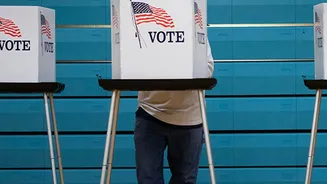
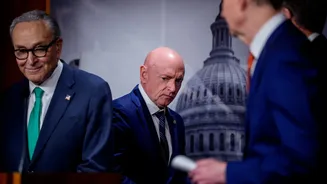
The results of the 2026 midterm elections have introduced a new set of variables. With Democrats gaining control of both the House and Senate, President Trump faces a divided government. While a president retains significant latitude in foreign policy, Congress holds the power of the purse and oversight. This creates a potential for legislative gridlock on domestic issues, which can, paradoxically, lead a president to focus more on unilateral actions abroad where their power is less constrained. The election results are seen by some analysts as a public referendum on the administration's handling of foreign conflicts and their economic consequences, such as higher gas prices and inflation linked to tariffs and the war in Iran.
How Allies and Adversaries Might React
The shift in Washington's political landscape is being closely watched around the world. For American allies rattled by years of pressure tactics and tariff threats, a Democrat-controlled Congress may offer a chance to repair relations and re_engage on issues like support for Ukraine and NATO. However, a politically weakened president might also be seen as an opportunity by adversaries. Some analysts suggest that the lame_duck period before the new Congress is seated could be a window for more dramatic foreign policy moves, while others believe the domestic pressure following the midterms will constrain the administration's options. This uncertainty forces foreign capitals to navigate a US that speaks with multiple, often competing, voices.
A Future of Strategic Uncertainty
Ultimately, the confluence of these factors—the inherent difficulty of prediction, a disruptive political figure, and a newly divided government—points toward a period of heightened uncertainty. Key global flashpoints, from the war in Iran to strategic competition with China, now face a new and unpredictable dynamic. The Republican party itself has undergone a significant shift, with 'Trumpism' likely to influence its foreign policy stance for years to come, regardless of who is in the White House. This evolution away from traditional Republican internationalism means that past performance is no longer a reliable indicator of future policy. Observers of US foreign policy will need to watch for how the administration and Congress interact, as this will set the stage for America's role in the world heading toward 2028.