


The Humble Powerhouse: What is Sattu?
For generations, sattu has been a staple in Indian households, particularly in regions like Bihar, Uttar Pradesh, and Punjab. Often called the 'poor man's protein', it's a flour made from roasted pulses and cereals, most commonly Bengal gram (chana).
The traditional process involves dry-roasting the grains, which enhances the flavour and nutritional value, before grinding them into a fine powder. Unlike besan (gram flour), which is made from raw chickpeas, sattu's roasting process makes it distinct in taste and easier to digest. Historically, its affordability and long shelf-life made it a reliable source of energy for farmers and labourers.
A Nutritional Breakdown for Lasting Energy
The claims of 'high-protein' and 'plant-based energy' are well-supported by sattu's impressive nutritional profile. It contains approximately 20-25 grams of protein per 100 grams, making it an excellent source for vegetarians and vegans looking to support muscle repair and growth. But the energy boost comes from its combination of complex carbohydrates and high dietary fibre. This duo ensures a slow and steady release of energy, preventing the sugar spikes and subsequent crashes associated with many breakfast options. Furthermore, sattu is rich in essential minerals like iron, magnesium, and potassium, which help combat fatigue, support metabolism, and maintain hydration.
Why a Smoothie Bowl Trumps a Traditional Drink
Traditionally, sattu is consumed as a refreshing drink called 'sharbat', mixed with water, salt, and lemon juice. While this is excellent for hydration, transforming it into a thick and creamy smoothie bowl offers several modern advantages. A smoothie bowl feels more like a substantial meal, increasing satiety and preventing mid-morning snacking. The spoonable format serves as a perfect canvas for a variety of toppings, allowing you to add extra nutrients, textures, and flavours. This transforms a simple energy drink into a complete, well-rounded meal ideal for starting an active day or refueling after a workout.
Your Go-To Sattu Smoothie Bowl Base Recipe
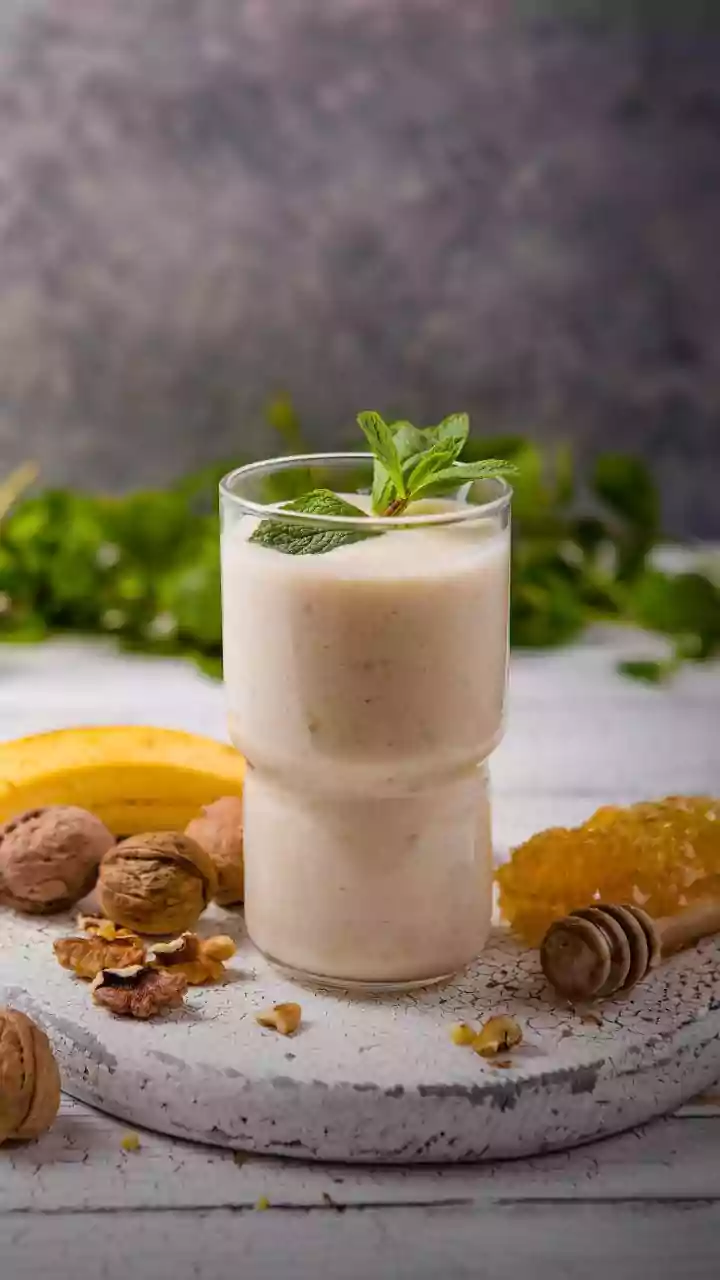
Creating a delicious sattu smoothie bowl is simple and quick. The key is to achieve a thick, creamy consistency that’s perfect for eating with a spoon. Here’s a versatile base recipe to get you started: Ingredients: - 4 tablespoons of sattu flour - 1 medium ripe banana (frozen for extra creaminess) - 200ml of curd (dahi) or Greek yogurt - 1-2 soft, pitted dates or 1 tablespoon of jaggery for natural sweetness - A splash of milk (dairy or plant-based) or water to adjust consistency - A pinch of cardamom for a hint of traditional flavour (optional) Instructions: Combine the sattu flour, frozen banana, curd, and your chosen sweetener in a blender. Begin blending on a low speed, gradually increasing as the ingredients combine. If the mixture is too thick, add a splash of milk or water until it becomes smooth but remains thick. Pour the creamy mixture into a bowl and prepare to add your favourite toppings.
Customise Your Creation with Power-Packed Toppings
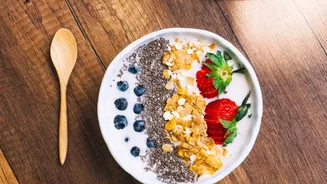
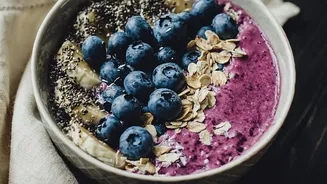
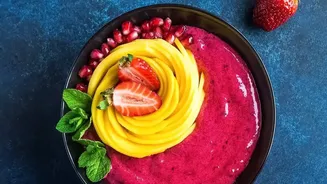
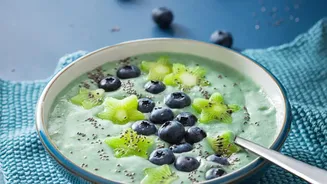
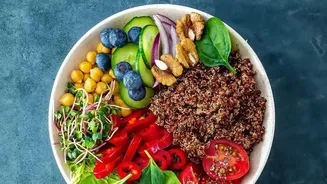
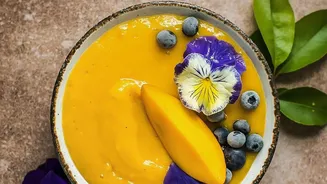
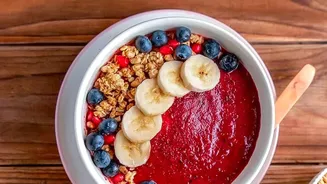
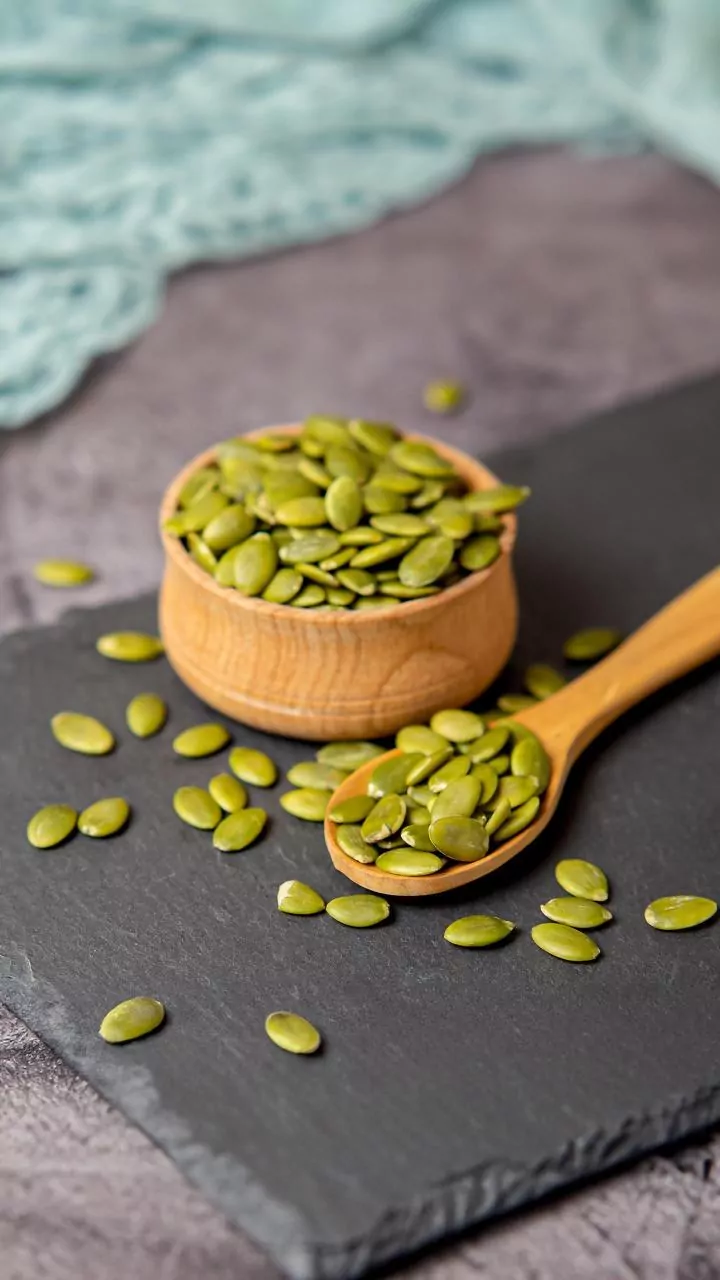
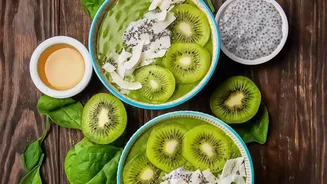
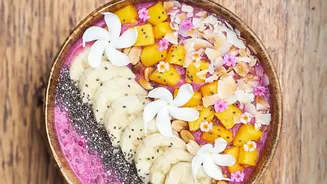
The real magic of a smoothie bowl lies in its customisation. Toppings not only add visual appeal but also boost the nutritional value. Consider these additions to complement your active lifestyle: - For Healthy Fats & Extra Protein: Add a spoonful of peanut butter, a handful of almonds or walnuts, or a sprinkle of pumpkin seeds. - For Fibre & Omega-3s: Top with a teaspoon of chia seeds or flax seeds. - For Antioxidants & Vitamins: Garnish with fresh fruits like pomegranate arils, mixed berries, or slices of mango. - For Added Crunch: Sprinkle some homemade granola or toasted coconut flakes for satisfying texture. By mixing and matching these toppings, you can create a different experience every day while ensuring your body gets a wide array of essential nutrients.