




The Nearly Indestructible Snake Plant
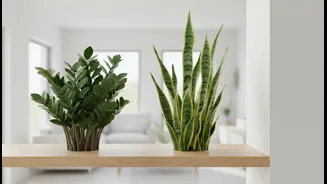
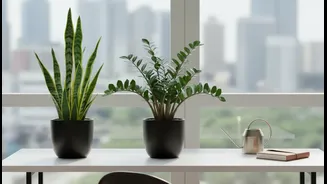
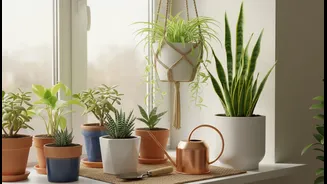
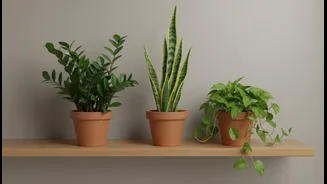
If you are looking for a plant that thrives on neglect, the Snake Plant (Sansevieria trifasciata) is your perfect match. Its stiff, sword-like leaves with yellow edges add a modern, architectural touch to any room. This hardy plant is incredibly low-maintenance,
tolerating low light and infrequent watering. In fact, its biggest enemy is too much water, which can cause root rot. Allow the soil to dry out completely between waterings—this might mean once every two to three weeks in summer and even less in winter. A major benefit is its ability to release oxygen at night, making it an excellent choice for bedrooms.
The Auspicious Money Plant
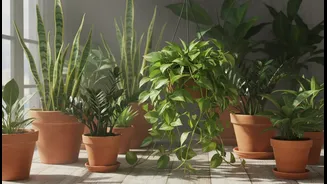
Arguably the most popular indoor plant in India, the Money Plant (Epipremnum aureum) is beloved for its fast-growing, heart-shaped leaves and its association with good fortune. It is extremely forgiving and can be grown in both soil and a simple bottle of water, making it perfect for absolute beginners. This versatile vine thrives in low to bright indirect sunlight; direct sun can scorch its leaves. Water it only when the top inch of soil feels dry, typically about once a week. Beyond its reputation for bringing prosperity, the Money Plant is an excellent air purifier, known to filter common indoor pollutants. It can be trained to climb or left to trail beautifully from a hanging basket or shelf.
The Resilient ZZ Plant
The Zamioculcas zamiifolia, or ZZ Plant, is another champion of low-maintenance indoor gardening. Its wide, waxy, dark green leaves are so glossy they almost look artificial. This plant is a true survivor, capable of handling low light conditions and infrequent watering thanks to its large rhizomes that store water. This makes it ideal for busy individuals or those who are forgetful with their watering schedule. You should water it only when the soil has completely dried out, about every two to three weeks. The ZZ plant is a slow grower, so it won't demand frequent repotting, and its striking appearance makes it a statement piece in any corner of your home.
The Ever-Giving Spider Plant
The Spider Plant (Chlorophytum comosum) is a classic houseplant celebrated for its adaptability and easy-going nature. It features arching, ribbon-like leaves, often with a white or cream stripe, and it gets its name from the small 'spiderettes' or baby plants that dangle from the mother plant. These can be easily repotted to create new plants. It prefers bright, indirect light but can tolerate lower light conditions. Direct sunlight should be avoided as it can burn the leaves. Keep the soil lightly moist, watering when the top inch or two of soil feels dry. Spider plants are also known for their air-purifying qualities, making them a healthy and attractive addition to any home.
The Elegant Peace Lily
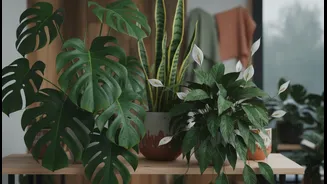
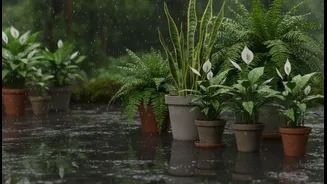
For those who want a flowering indoor plant without the fuss, the Peace Lily (Spathiphyllum) is an excellent choice. It boasts glossy, dark green leaves and produces elegant white blooms that look like flags of peace. This plant is great at communicating its needs; it will visibly droop when it's thirsty, perking up quickly after being watered. It prefers evenly moist soil and thrives in bright, indirect light, though it can tolerate lower light levels. In fact, too much direct sun can scorch its leaves. Beyond its beauty, the Peace Lily is another powerhouse air purifier, helping to filter toxins from your indoor environment.