





Why Heavy Meals Slow You Down
That familiar feeling of being 'stuffed' after a festive meal isn't just in your head. Rich, fatty, and sugary foods are harder for your body to break down. This can slow down the digestive process, leading to bloating, gas, and a general sense of heaviness.
During celebratory periods, we tend to eat larger portions and at irregular times, placing extra stress on our gut. Understanding this simple biological response is the first step to managing it without missing out on the fun.
Hydration: Your Digestive System's Best Friend
Water is a non-negotiable ally for good digestion, especially when your diet is heavier than usual. It plays a crucial role in several key processes. Firstly, water helps break down the food you eat, allowing your body to absorb essential nutrients more effectively. Think of it as a solvent that makes everything run smoother. Secondly, adequate hydration is essential for preventing constipation, a common complaint during periods of dietary change. Water softens stool, making it easier to pass through your intestines. When you're dehydrated, your body pulls water from your colon, which can lead to blockages and discomfort. To make it work for you, aim to sip water consistently throughout the day rather than chugging large amounts with meals, which can sometimes dilute stomach acid.
The Magic of a Gentle Stroll
The urge to nap on the sofa after a big meal is strong, but a short walk might be a far better choice for your comfort. Light physical activity, like a 15 to 20-minute walk, works wonders by stimulating peristalsis. This is the series of wave-like muscle contractions that move food through your digestive tract. By encouraging this natural movement, a walk can help food move through your stomach and intestines more rapidly, significantly reducing bloating and gas. Research shows even a few minutes of walking after eating can help regulate blood sugar levels, preventing the sharp spikes and crashes that often follow a sweet or carb-heavy meal. It’s important to keep the movement light; vigorous exercise can divert blood flow away from the digestive system, which can actually hinder the process.
Your Simple Festive Digestion Plan
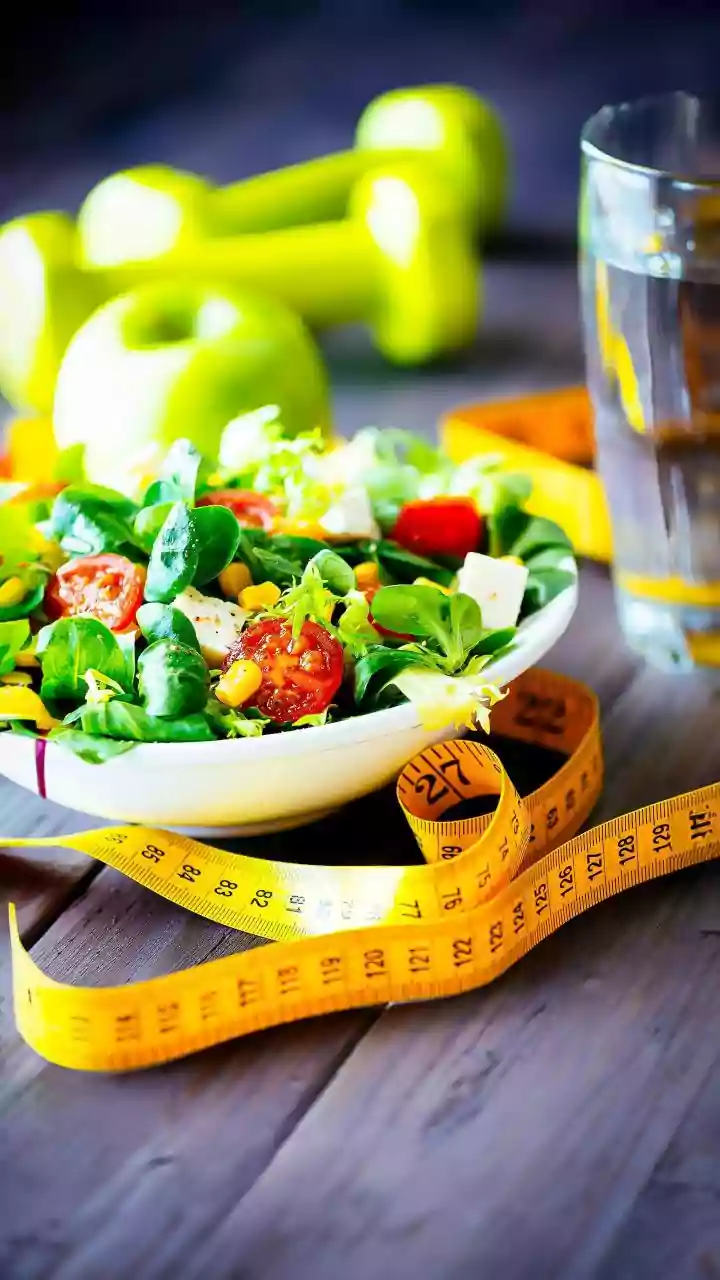
Integrating these habits into your festive schedule doesn't require a major overhaul. It’s about small, consistent actions. Start your day with a glass of water to kickstart your system. Try to have a glass of water before a big meal; it aids digestion and can also help you feel full, promoting better portion control. After your main festive meals, particularly dinner, resist the couch for just a little longer. Instead, suggest a short, leisurely family walk around the neighbourhood. A 10 to 15-minute stroll is all it takes to reap the benefits. By pairing strategic hydration with gentle movement, you create a powerful combination that supports your body's ability to handle the celebratory feasts, allowing you to enjoy the season with far less discomfort.