
The Toll of Deep Space Travel
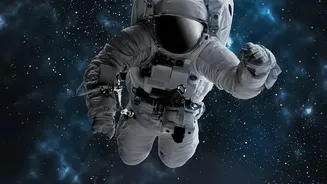
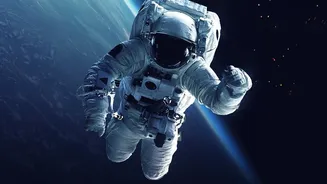
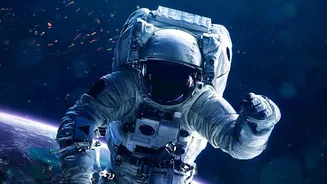
A multi-year trip to Mars is incredibly taxing on the human body. Without Earth's gravity, astronauts face a barrage of health issues. Their muscles weaken, and bones lose density at an accelerated rate, similar to osteoporosis. The cardiovascular system
can become deconditioned, and the constant exposure to cosmic radiation increases the risk of cancer and damages the central nervous system. Astronauts also report vision problems, a weakened immune system, and psychological stress from long-term isolation. While rigorous exercise routines help mitigate some of these effects, they are not a complete solution. Effectively, the body undergoes a rapid aging process in space, and a key line of defense is one of the most basic: nutrition.
Why Pre-Packaged Meals Aren’t Enough
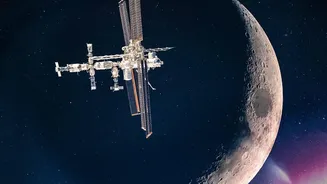
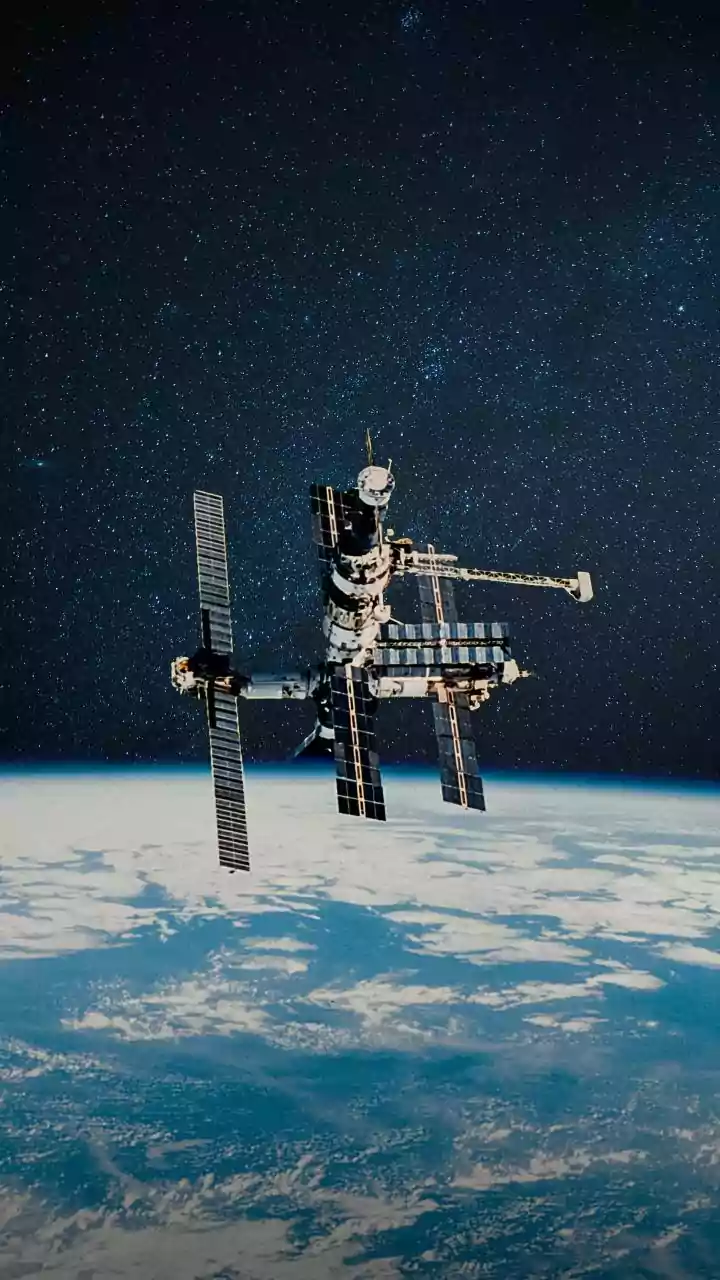
Currently, astronauts on the International Space Station (ISS) eat a variety of pre-packaged foods, from thermostabilized pouches to freeze-dried meals. This system works for missions in low-Earth orbit where resupply missions are possible. However, for a three-year round trip to Mars, resupply is not an option. Furthermore, the vitamins and nutrients in pre-packaged food degrade over time, meaning a meal that was nutritious at the start of the mission may be less so two years later. Beyond the physical, there is a psychological component. The simple act of eating fresh food provides a crucial morale boost and a connection to home that cannot be replicated by packaged rations alone.
The Rise of the Space Farmer
The most promising solution is growing fresh food in space. NASA's Vegetable Production System, or 'Veggie', aboard the ISS has already successfully grown crops like lettuce, cabbage, and kale. Scientists are perfecting techniques like hydroponics (growing plants in nutrient-rich water) and aeroponics (misting roots with nutrient vapour), which don't require soil and use minimal water. The focus is on developing crop varieties that are compact, grow quickly, and are packed with nutrients. Challenges remain, including dealing with radiation and creating a closed-loop system that can recycle waste into resources, but the goal is to create a sustainable, self-sufficient farm far from Earth.
Personalized Nutrition and Superfoods
The future of space nutrition is also about personalization. Scientists are working on 'functional foods' and on-demand nutritional supplements tailored to each astronaut's real-time health data. One innovative idea is a customizable beverage made from nanoemulsions, which can deliver a precise dose of essential nutrients like omega-3 fatty acids. Beyond conventional plants, researchers are exploring novel food sources. Spirulina, a protein-dense blue-green algae, is a strong candidate because it's highly nutritious and also converts carbon dioxide into breathable oxygen. The European Space Agency is even developing a method to create a protein powder from microbes, air, and electricity, using recycled astronaut urine as a key ingredient.