






Argentina's Barra Bravas: The Heartbeat of the Nation
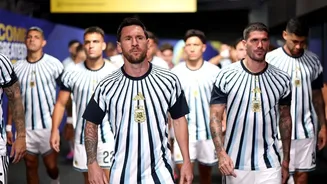
No discussion of iconic supporters is complete without Argentina's infamous 'barra bravas'. Born from the ferocious club rivalries of teams like Boca Juniors and River Plate, these organised groups transfer their relentless passion to the national team,
the Albiceleste. Their presence at a World Cup transforms a stadium into a slice of Buenos Aires. Expect non-stop, rhythmic chanting, huge banners, and a sea of blue-and-white ticker tape. While these groups have a complex and often controversial history associated with violence and crime, their contribution to the matchday atmosphere is undeniable, creating an intimidating and emotionally charged environment that is credited with driving their team forward. This was evident during the 2022 World Cup, where their energy was seen as a key factor in the team's victorious campaign.
The Tartan Army: Scotland's Joyful Invasion
Win or lose, the Tartan Army is there for the party. As the collective name for supporters of the Scotland national team, they are globally renowned for their good humour, friendly nature, and immense travelling numbers. Their uniform is unmistakable: a sea of kilts, tartan hats, and team colours. While their history in the 1970s had moments of hooliganism, the group has since cultivated a reputation for being passionate without being threatening, earning fair play awards at multiple tournaments. Whether they are taking over city squares with bagpipes and songs or engaging in charitable work, the Tartan Army embodies a spirit of adventure where the journey is just as important as the match itself. Their motto, "No Scotland, no party," has become a famous chant, proven time and again as they transform host cities into festivals of Scottish culture.
Japan's Samurai Blue Supporters: A Class Apart
In a world of often chaotic fandom, Japan's supporters stand out for their unique blend of passionate support and profound respect. Dressed in the striking blue of their national team, they are known for their coordinated chants and impressive visual displays. However, their most famous tradition happens after the final whistle. Win, lose, or draw, Japanese fans are often seen staying behind to meticulously clean their section of the stadium, bagging up litter to leave the venue spotless. This practice, rooted in Japanese culture and the concept of 'O-soji' (the great clean-up), has earned them global admiration at successive World Cups. The players themselves often extend this courtesy, leaving the locker room in pristine condition. It’s a powerful statement that combines national pride with a deep-seated sense of community responsibility, showing the world that passion and respect can go hand in hand.
Brazil's Torcidas: The Carnival Comes to the Pitch
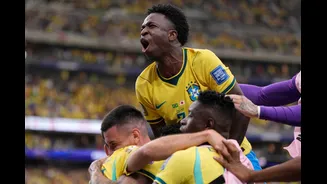
Football in Brazil is a way of life, and the 'torcidas organizadas' are its most vibrant expression. These highly organised supporter groups, with roots stretching back to the 1940s, bring the energy of a carnival to every match. For the national team, this means an explosion of yellow and green, accompanied by the relentless rhythm of samba drums, massive flags, and choreographed displays that fill the stadium with life. Groups like the 'Movimento Verde e Amarelo' (Green and Yellow Movement) have hundreds of thousands of members worldwide. Their goal is to act as the 12th man, creating an atmosphere of pure joy and unwavering support that they believe directly inspires the players on the field. During the World Cup, they turn city squares from New York to Houston into massive street parties, ensuring the spirit of Brazil is felt far beyond the 90 minutes of play.
Germany's Organised Walls of Sound
German club football is famous for its incredible fan culture, exemplified by Borussia Dortmund's 'Yellow Wall'—Europe's largest standing terrace packed with 25,000 passionate fans. This organised, powerful, and visually stunning approach to support is carried over to the German national team, 'Die Mannschaft'. At the World Cup, German fans are known for their impressive and creative choreographies ('tifos'), which often cover entire stands. Thanks to a fan ownership model (the 50+1 rule) in their domestic league, German supporters have a strong, unified voice and a culture of organised dialogue. This results in a presence that is both intimidatingly loud and artistically impressive, creating a wall of sound and colour that showcases a deep-rooted and highly developed fan culture.