




The Hidden Problem of a Sedentary Life
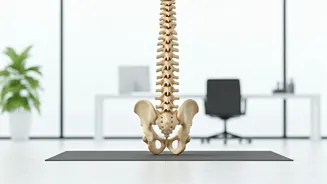
Even if you exercise regularly, sitting for prolonged periods can cause significant issues. When you're seated, your hip flexor muscles at the front of your hips become shortened and tight, while your gluteal muscles (your glutes) become inactive. [1]
This phenomenon, sometimes called 'gluteal amnesia', means your glutes essentially 'forget' how to fire properly. [20] This imbalance forces other muscles, particularly those in your lower back, to overcompensate, leading to strain, poor posture, and persistent discomfort. [1, 19] Over time, this can contribute to chronic lower back pain, which is a leading cause of disability. [1] Weak glutes can also affect hip mobility and even cause pain in the knees as the body's alignment and movement patterns are thrown off. [1]
Why the Glute Bridge Is the Perfect Solution
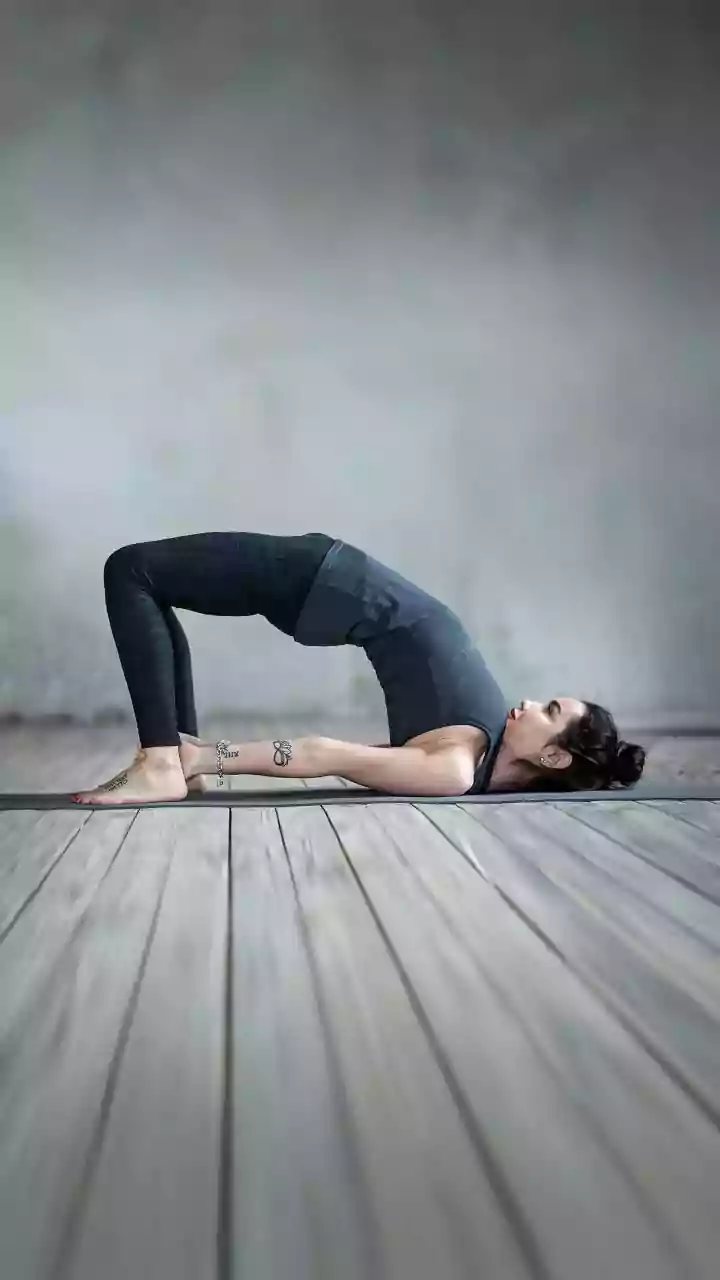
The glute bridge is a simple but highly effective exercise that directly counteracts the effects of sitting. [14] It involves lying on your back and lifting your hips off the floor, which achieves two critical things simultaneously. First, it powerfully activates and strengthens the gluteus maximus, medius, and minimus — the major muscles of your posterior chain. [1, 19] Second, it stretches and opens up the tight hip flexors. [14] This dual action helps restore proper muscle balance around your pelvis, taking the strain off your lower back. [17] It's a foundational movement recommended by trainers and physiotherapists because it isolates the glutes without placing stress on the lower back, unlike exercises like squats. [17] It also strengthens the core, which is essential for spinal stability. [21]
How to Perform a Perfect Glute Bridge
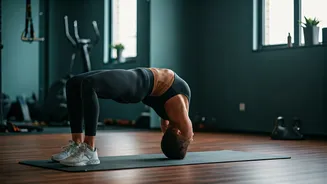
Proper form is key to getting all the benefits and avoiding strain. Follow these steps: 1. Lie on your back on a comfortable surface. Bend your knees and plant your feet flat on the floor, about hip-width apart. Your heels should be about 6-8 inches away from your glutes. [2] 2. Place your arms flat on the floor alongside your body, with your palms facing down or up. [4] 3. Before you lift, gently engage your abdominal muscles to keep your back from arching. [2, 5] 4. Press firmly through your heels to lift your hips off the floor. Squeeze your glutes as you rise. [1] 5. Continue lifting until your body forms a straight line from your shoulders to your knees. Avoid pushing your hips up too high, which can cause your lower back to arch. [5, 11] 6. Hold this top position for a few seconds, keeping your glutes squeezed tightly. [2] 7. Slowly lower your hips back down to the starting position in a controlled manner. [2, 6]
Common Mistakes to Avoid
To ensure you’re targeting the right muscles, watch out for these common errors: * **Hyperextending your back:** Lifting your hips too high causes your lower back to arch, placing strain on the spine instead of working the glutes. [5] Stop when you reach a straight line from shoulders to knees. [11] * **Pushing through your toes:** The power for the bridge should come from driving your heels into the ground. Pushing from your toes shifts the work to your hamstrings or calves. [10, 15] * **Letting your knees fall inward or outward:** Keep your knees aligned with your hips and ankles throughout the movement. Using a resistance band just above the knees can help correct this by forcing you to push outwards. [5, 18] * **Rushing the movement:** Performing the exercise too quickly relies on momentum rather than muscle strength. Slow, controlled movements are far more effective. [18]
Easy Ways to Add Variety
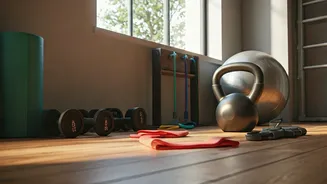
Once you've mastered the basic glute bridge, you can introduce variations to challenge yourself further. * **Single-Leg Bridge:** Perform the bridge with one leg extended straight out or lifted toward the ceiling. [4] This significantly increases the challenge on your core stability and the glute of the supporting leg. [7] * **Weighted Bridge:** Place a dumbbell or a weight plate across your hips to add resistance and build more strength. Hold the weight lightly to keep it stable as you lift. [7, 13] * **Elevated Bridge:** Place your feet on a low bench or step to increase the range of motion. [4] This variation, also known as a hip thrust, is excellent for building power. [2] * **Banded Bridge:** Loop a resistance band just above your knees. Press your knees outward against the band as you lift your hips to increase activation in your outer glutes and hips. [6, 9]
Integrating Glute Bridges Into Your Routine
The beauty of the glute bridge is its versatility. You don't need a gym or any special equipment to reap its rewards. Consider adding a few sets into your day in different ways. Use it as part of your warm-up before a workout to activate your glutes and prepare your body for more complex movements. Take a five-minute break from your desk to do a set of 10-15 repetitions to counteract the effects of sitting. [19] You can also incorporate glute bridges into a cool-down routine to help release tension in the hips and lower back. Consistency is more important than intensity. A few minutes each day can lead to significant improvements in posture, strength, and overall comfort, helping you undo the damage of a sedentary day one bridge at a time.