
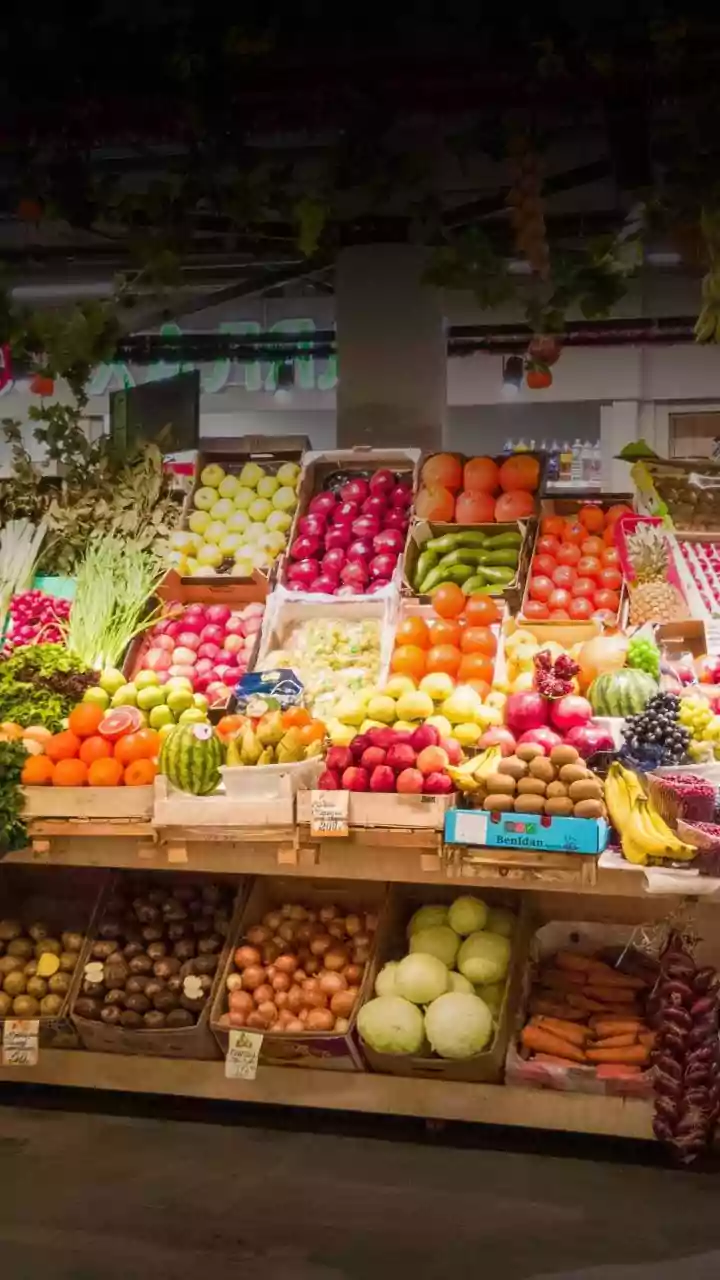






Apples: The All-Season Hero
Apples are a reliable and safe choice during the rainy season. They are packed with essential vitamins, antioxidants, and minerals that help bolster your immune system. Their high fibre content aids digestion, a common concern when the body's metabolism
tends to slow down. The relatively thick skin, when washed properly, offers good protection against surface-level contaminants that are more prevalent during the monsoon. They are available year-round and are less prone to spoilage compared to softer fruits.
Pomegranate: An Immunity Powerhouse
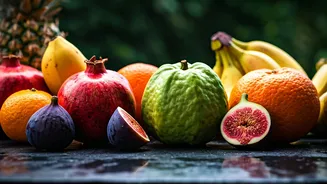
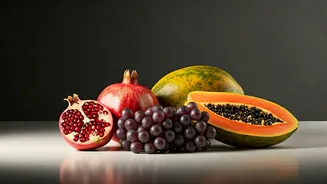
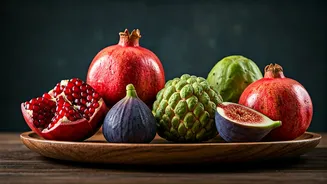
Pomegranate is highly recommended by nutritionists for the monsoon. Its jewel-like seeds are loaded with powerful antioxidants and vitamin C, which are crucial for fighting off common seasonal ailments like colds and flu. Pomegranates are known to boost immunity and support the production of red blood cells. The tough outer skin protects the arils inside from contamination, making it a safe and nutrient-dense option to include in your diet.
Pears (Nashpati): Gentle and Hydrating
Pears are another excellent fruit for the monsoon. They are rich in immunity-boosting vitamin C and fibre, making them gentle on the stomach and easy to digest. Despite being juicy, they are considered a safe choice as they help with hydration without being overly watery, a quality some experts suggest avoiding. Pears help maintain good bowel health and provide essential nutrients without overburdening a sensitive digestive system.
Jamun (Indian Blackberry): The Seasonal Star
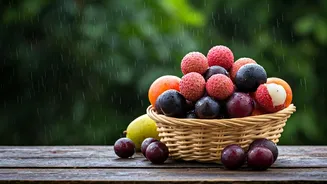
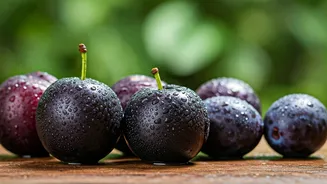
As a seasonal monsoon fruit, Jamun is perfectly suited for the weather. It possesses antibacterial properties and is known to aid in treating gastric problems that can flare up during this season. Rich in iron, potassium, and vitamins, Jamun helps in managing blood sugar levels and improving digestion. Its availability during this specific season means it's at its nutritional peak, offering maximum health benefits.
Plums and Cherries: Antioxidant-Rich Treats
Both plums and cherries are great additions to a monsoon diet. They are available in abundance and are packed with antioxidants and vitamin C, which help reduce inflammation and protect the body from infections. Plums are particularly high in dietary fibre, aiding the digestive system. Cherries are low in calories and can help in lowering uric acid levels, which can be beneficial during a season where dietary changes are common.
Caution: Fruits to Be Careful With
It's wise to be cautious with fruits that have a very high water content, such as watermelon and muskmelon, as they can spoil quickly and are more susceptible to bacterial contamination in humid weather. Berries like strawberries can also be risky as their porous surfaces can trap moisture and germs. A crucial rule for any season, but especially the monsoon, is to avoid pre-cut fruits sold by street vendors. The prolonged exposure to the damp air makes them a breeding ground for harmful bacteria, increasing the risk of water-borne diseases.