



Hunt for Damp and Mould
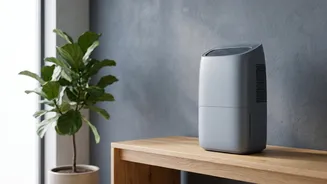
The most common post-monsoon complaint is dampness, which can lead to mould, peeling paint, and musty odours. Carefully inspect your walls and ceilings, especially in corners and behind large furniture. Look for dark patches, bubbling paint, or white,
powdery deposits. Pay close attention to the wall behind your bed and the insides of wardrobes, as these are common problem spots. Good ventilation is your best defence against mould. On dry, sunny days, open your windows to let fresh air circulate. If you find minor surface mould, you can clean it, but for persistent damp patches, take clear photos and notify your landlord immediately. Moving furniture a few inches away from affected walls can help improve airflow and slow down damage.
Inspect Wooden Doors and Furniture
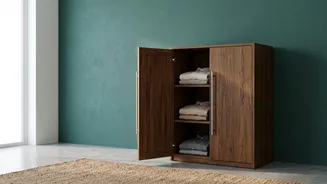
Wood naturally absorbs moisture from the air, causing it to swell during the monsoon. You might have noticed your doors and windows becoming difficult to shut. Now that the humidity is dropping, check them for any long-term warping or damage. This is also a prime time to look for signs of termites, which are attracted to damp wood. Check the corners of wooden furniture, door frames, and any wooden storage units. If you see any signs of wood dust or damage, it’s a conversation you need to have with your landlord promptly. Wiping down wooden surfaces with a dry cloth can help remove any lingering moisture.
Prioritise Electrical Safety
Water and electricity are a dangerous combination, and post-monsoon is a critical time to check for electrical safety. Dampness can seep into walls and affect wiring and switchboards, creating a serious hazard. Look for any signs of corrosion or discolouration around switch plates. Test all your outlets and switches. If you notice any sparking, hear a buzzing sound, or if a switch feels unusually hot, stop using it immediately. Never touch any electrical appliance or switch with wet hands. If you suspect any electrical issues, especially if they are located on a damp wall, do not try to fix them yourself. Report the issue to your landlord and insist on a qualified electrician for inspection and repair.
Check Windows, Balconies, and Drains
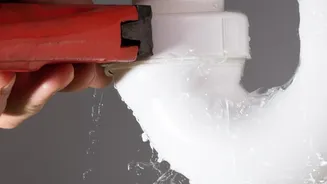
The monsoon puts your home's exterior defences to the test. Check the seals around your windows and balcony doors for any gaps or cracks that might have let water in. Rainwater can often find the smallest entry points. In your balcony, ensure the drainage outlet is clear of leaves and debris to prevent waterlogging during any unexpected late showers. Clogged drains not only cause water to pool but can also lead to foul smells and become breeding grounds for mosquitoes. Similarly, check the drains in your bathrooms and kitchen to ensure water flows away quickly.
Go on Pest Patrol
As the ground outside dries up, many pests that were either flushed out by rain or thriving in the damp will seek new shelter and food sources inside your home. The post-monsoon period often sees a rise in pests like cockroaches, ants, and sometimes even rodents. Keep your kitchen meticulously clean, storing food in airtight containers. Check under sinks and in dark cupboards for any signs of unwanted visitors. Sealing any small cracks or holes in walls or around pipes can help keep them out. If you notice a sudden increase in pests, it might be time to request professional pest control services from your landlord.