

Prioritise Paw Hygiene
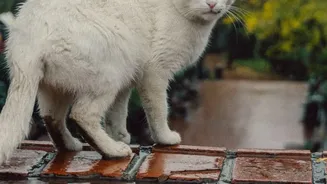
Your pet’s paws are their first point of contact with wet, muddy surfaces that can harbour bacteria and allergens. After every single walk, make it a non-negotiable routine to clean and dry their paws thoroughly. Use a soft towel to wipe away mud, paying
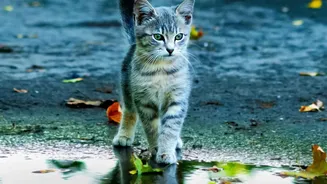
close attention to the spaces between their toes where moisture can get trapped and lead to fungal infections. Keeping the hair between their paw pads trimmed can also reduce the amount of muck they bring indoors. Avoid letting your pet walk through stagnant puddles, which can be breeding grounds for dangerous bacteria like Leptospira.
Master the Post-Walk Dry-Off
Constant dampness is the number one enemy during the monsoon, creating the ideal environment for fungal and bacterial skin infections. After any exposure to rain, a thorough drying session is crucial. Use a highly absorbent microfibre towel or a pet-friendly hairdryer on a low, cool setting. Focus on areas where moisture lingers, like the underbelly, armpits, and any skin folds. For thick-coated breeds, daily brushing is essential to prevent matting and ensure air circulates to the skin, helping it stay dry and healthy.
Boost Their Immunity Through Diet
A strong immune system is your pet's best defence against seasonal illnesses. The monsoon can sometimes lead to decreased appetite or digestive issues. Consider making small adjustments to their diet by incorporating immunity-boosting foods. Easily digestible proteins like chicken or fish are gentle on the stomach. Adding a small amount of pumpkin, sweet potato, or even a pinch of turmeric can provide valuable vitamins, fibre, and antioxidants. Always ensure they have access to fresh, clean drinking water, as hydration remains critical even in cooler weather. Storing dry food in an airtight container is also vital to prevent mould growth from the humidity.
Step Up Parasite Prevention
Fleas, ticks, and mosquitoes thrive in the warm, humid conditions of the monsoon, and infestations peak during this time. These parasites aren't just an itchy nuisance; they can transmit serious diseases like tick fever and even leptospirosis. It's crucial to be diligent with your pet’s regular flea and tick prevention schedule. Consult your veterinarian for the most effective treatment for your region, whether it's a spot-on application, a medicated collar, or an oral tablet. A quick check for ticks after every walk is also a smart habit.
Create an Indoor Playground
Fewer walks and less outdoor time can lead to boredom and pent-up energy, which may result in destructive behaviour or anxiety. Combat this by turning your home into an engaging space. Schedule short, fun training sessions to teach new tricks, which provides excellent mental stimulation. Use puzzle feeders or snuffle mats to make mealtime a fun challenge. Games like hide-and-seek with treats or indoor fetch with soft toys can help burn off energy. For cats, wand toys and cardboard boxes can provide hours of entertainment.
Soothe Storm Anxiety
The loud claps of thunder and flashes of lightning can be terrifying for many pets, causing significant anxiety. Create a safe, cosy den where your pet can retreat when they feel scared—a crate with a familiar blanket or a quiet corner of a room works well. Playing calming music or using a white noise machine can help muffle the sounds of the storm. Staying calm yourself and offering gentle reassurance, without excessive coddling, can also help your pet feel more secure. In severe cases, speak to your vet about calming aids or supplements.