



Mumbai's Unusually Hot October
October 2026 has been particularly harsh for Mumbai, with the India Meteorological Department (IMD) issuing multiple yellow alerts for heatwave conditions. Temperatures have consistently soared, with the Santacruz observatory recording 38.2°C on October 12,
a significant 5.1 degrees above normal and the second-hottest October day in over a decade. This prolonged spell of high temperatures, with several consecutive days over 37°C, is considered unusually oppressive for the city. The phenomenon, known locally as 'October Heat', occurs after the monsoon withdrawal. Clear skies and an anticyclonic circulation delay the cooling sea breeze, trapping heat and moisture over the city. The combination of high heat and humidity creates dangerous conditions long before winter offers any respite.
From Discomfort to Danger: Understanding Heat Stress
Heat stress is a condition where the body can no longer cool itself effectively. High humidity is a key culprit; when the air is saturated with moisture, sweat cannot evaporate, disabling the body’s primary cooling mechanism. This leads to a spectrum of heat-related illnesses, from heat exhaustion—marked by heavy sweating, dizziness, headache, and muscle cramps—to the life-threatening condition of heatstroke. Heatstroke is a medical emergency where the body's core temperature rises above 40°C, and the cooling system fails completely, potentially causing permanent organ damage or death. Hospitals in Mumbai report a seasonal rise in patients with dehydration, confusion, and other neurological complications directly linked to the oppressive heat and humidity.
The Urban Heat Island Effect
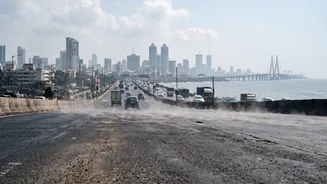
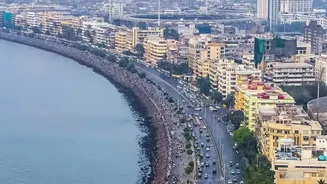
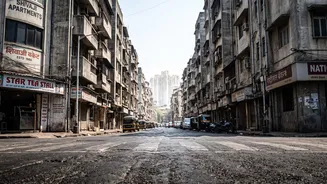
Mumbai's very structure turns it into a heat trap. The 'Urban Heat Island' (UHI) effect is a phenomenon where cities are significantly warmer than surrounding rural areas. Concrete buildings, asphalt roads, and a lack of green spaces absorb and radiate solar heat, increasing ambient temperatures. In Mumbai, densely built-up areas can be several degrees hotter than areas with more vegetation. This effect is not just a daytime problem. A recent 25-year study found that Mumbai's nighttime temperatures are also rising, with some parts of the city staying up to 5°C warmer than nearby non-urban areas after sunset. This means the city never truly cools down, denying residents' bodies the chance to recover from daytime heat exposure and compounding the risk of heat stress.
Who Is Most at Risk?
While the heat affects everyone, some populations are far more vulnerable. Outdoor workers, including construction labourers, street vendors, and traffic police, have prolonged exposure with little access to shade or cooling. The elderly, young children, and individuals with pre-existing health conditions like heart disease or high blood pressure are also at higher risk. Furthermore, a significant portion of Mumbai's population lives in informal settlements or poorly ventilated homes, where escaping the heat is nearly impossible, making them acutely susceptible to heat-related illnesses. Commuters on crowded public transport also face significant exposure.
Staying Safe and Looking Ahead
On an individual level, health officials advise taking simple but crucial precautions. These include staying hydrated by drinking plenty of water, avoiding strenuous outdoor activity during peak afternoon hours, wearing light and breathable clothing, and using cooling methods like damp cloths. Recognizing the early signs of heat exhaustion is vital to prevent it from escalating. In the long term, city-level initiatives are crucial. The Mumbai Climate Action Plan (MCAP) aims to address these challenges by increasing green cover, promoting cool roofs, and establishing early warning systems and public cooling shelters. These measures are essential as climate change is expected to make such extreme heat events more frequent and severe.