







The Secret of the Blue Mountains
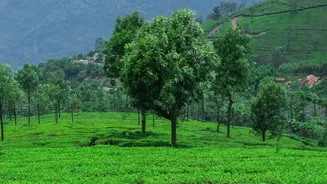
Often overshadowed by the famous malty teas of Assam or the musky notes of Darjeeling, Nilgiri tea is a world apart. Grown at high altitudes in the Western Ghats, these tea plants benefit from a unique climate with two monsoons and cool mountain air.
This environment causes the leaves to grow year-round, resulting in a tea that is exceptionally fragrant, bright, and lively. Most importantly, Nilgiri teas are naturally low in tannins, the compounds that can make other black teas bitter or astringent. This key characteristic means the tea is inherently smooth and gentle on the palate, with a clean finish that doesn't require sugar to be enjoyable.
The Artisan's Delicate Touch
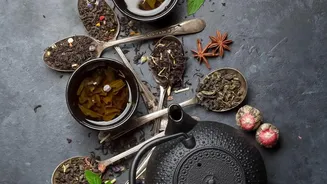
While much of the region's tea is produced for the mass market using industrial methods, a growing number of artisans are focusing on traditional, hands-on techniques. These producers, often small growers, favour the 'Orthodox Method,' which preserves the whole leaf and its complex flavours. The process begins with withering the leaves to make them pliable, followed by gentle rolling to break open the cell walls and release the aromatic oils. This careful handling, from plucking to drying, is crucial. It ensures the final product retains the delicate floral and fruity notes—think citrus, honey, and stone fruit—that make Nilgiri tea so distinctive. This artisanal approach is less about speed and more about expressing the unique character of the leaf.
Naturally Sweet, by Design
The magic of using Nilgiri leaves for low-sugar infusions lies in their inherent qualities. Because they lack the bitterness of high-tannin teas, there's no need to mask undesirable flavours with sweeteners. The tea’s natural profile is already subtly sweet and aromatic. Some of the most prized varieties are 'frost teas,' harvested in the winter after a light frost stresses the plants. This stress causes the plant to produce more complex, sweet, and rosy flavour compounds as a defence mechanism, resulting in a brew often compared to ice wine. This natural sweetness provides a perfect base for infusions that are flavourful on their own.
Crafting the Perfect Cold Brew
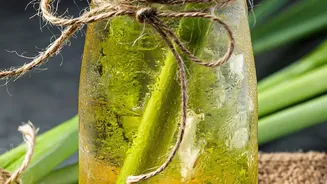
For a truly refreshing, low-sugar beverage, artisans often recommend cold brewing. This technique is incredibly simple and highlights the best qualities of Nilgiri tea. By steeping the whole leaves in cold water for several hours or overnight, the flavours are extracted gently. This slow process pulls out the sweet, floral, and fruity notes while leaving behind even more of the minimal tannins, resulting in an exceptionally smooth and clear brew. Nilgiri tea is famous for making iced tea that doesn't turn cloudy or bitter as it cools. Artisans often enhance these cold infusions with natural additions like a twist of lemon peel, a few bruised mint leaves, or slivers of ginger, all of which complement the tea's profile without adding sugar.