



The Rise of the Micro-Cation
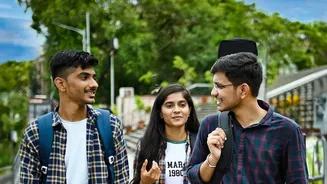
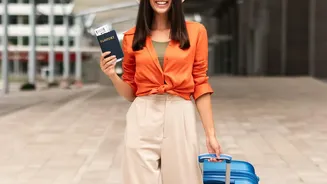
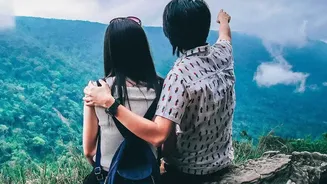
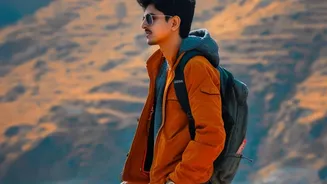
Instead of waiting for a single long vacation, younger travellers are embracing 'micro-cations'—short trips of two to four days, often planned around a long weekend. This shift is a practical response to modern life. For Gen Z and young millennials juggling
demanding jobs, internships, or college schedules, taking two weeks off is a logistical challenge. Coordinating leaves with a group of friends who live in different cities can be so difficult the trip never happens. In contrast, a three-day getaway requires minimal planning and allows for a quick recharge without draining one's entire leave balance. According to a recent Airbnb report, seven in ten Gen Z travellers in India now prefer taking multiple short trips over one long holiday.
A Response to Modern Work Culture
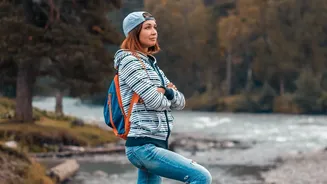
The pressures of today's work environment are a major catalyst for this trend. With burnout becoming a significant concern, short, frequent breaks are seen as essential for mental wellness. A quick escape to the mountains or a beach offers a much-needed reset from urban stress and long work hours. The rise of hybrid and remote work has also been a game-changer, blurring the lines between work and travel. Young professionals can now take 'workations,' blending their job with a stay in a scenic destination. This flexibility means they don't have to wait for annual leave to travel; they can work from a café in Goa or a homestay in Himachal Pradesh, integrating travel into their daily lives.
Budget-Friendly and Experience-Driven
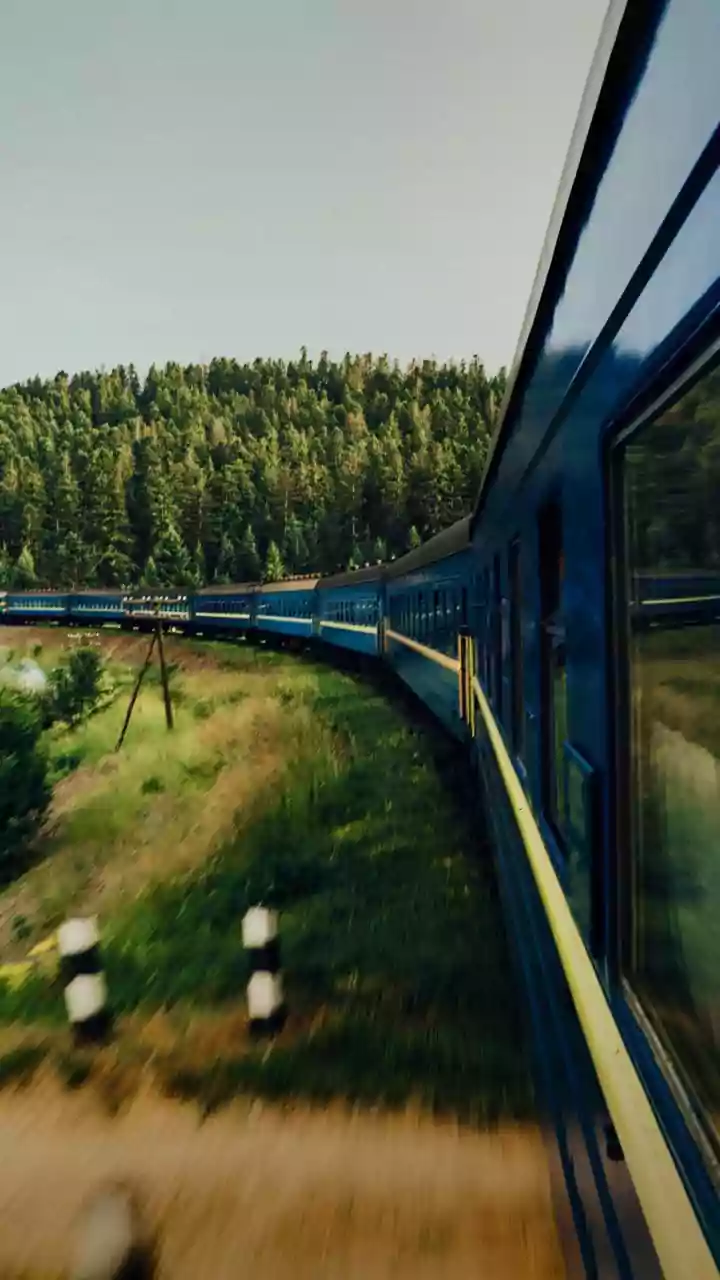
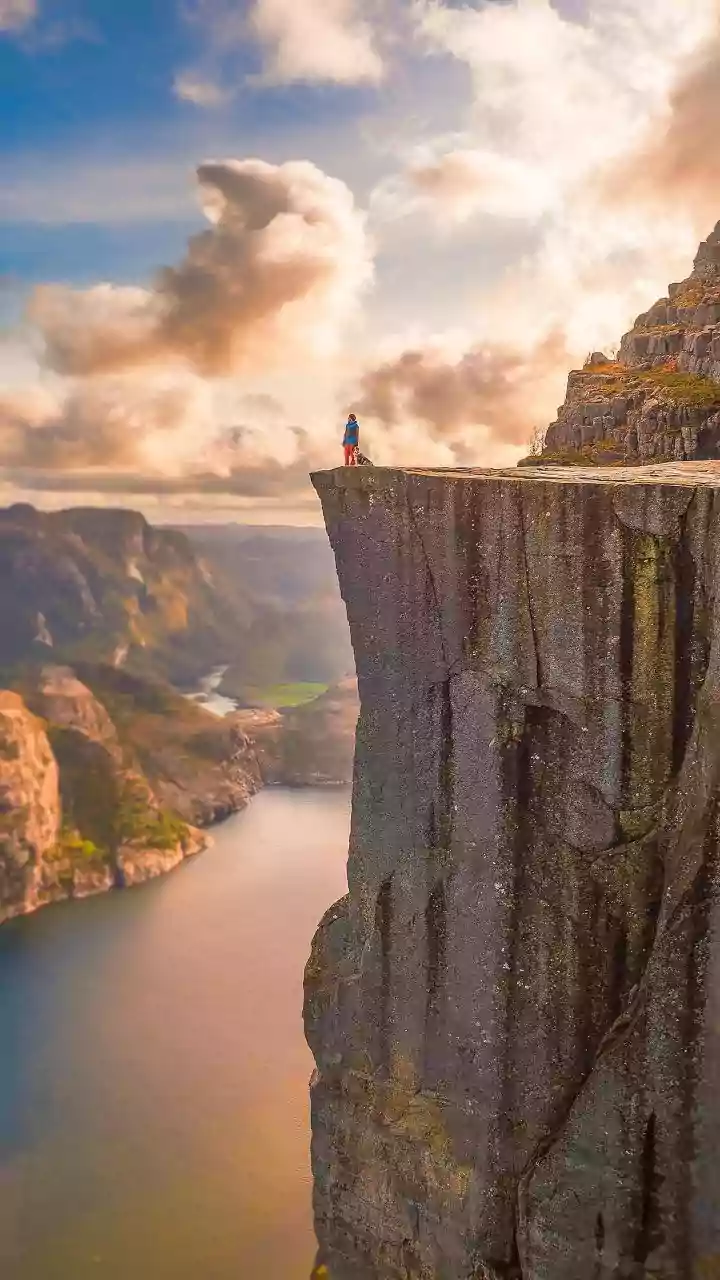
Economic reality also plays a crucial role. Spreading a travel budget across several smaller trips is often more manageable than funding one expensive annual vacation. Shorter trips to nearby destinations, often using public transport and staying in budget-friendly hostels or homestays, make travel more accessible. This generation is also redefining the purpose of travel itself. It's less about ticking off famous landmarks and more about collecting unique experiences. A trip might be inspired by a desire to explore a local food culture, attend a music festival, or simply disconnect and do nothing. For many, how they travel and the personal meaning they derive from it is an act of self-expression, with 95% of young travellers wanting their trips to feel personal and unique.
The Digital Influence
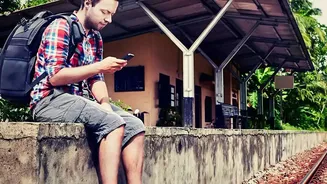
Constant exposure to travel content on social media platforms like Instagram creates an ongoing desire for new adventures. While this can inspire trips, there's also a growing movement to travel more intentionally. Many young travellers are actively seeking out lesser-known places that haven't gone viral online. Digital tools and apps have made planning these spontaneous trips easier than ever. From booking budget-friendly homestays to finding cheap flights and creating on-the-fly itineraries, technology empowers travellers to be more flexible and spontaneous. This allows for a travel style that is less about rigid plans and more about discovering things along the way.