




The Joy of Homegrown Pudina
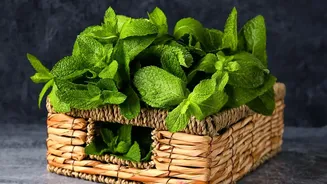
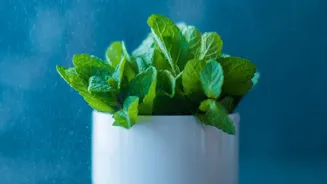
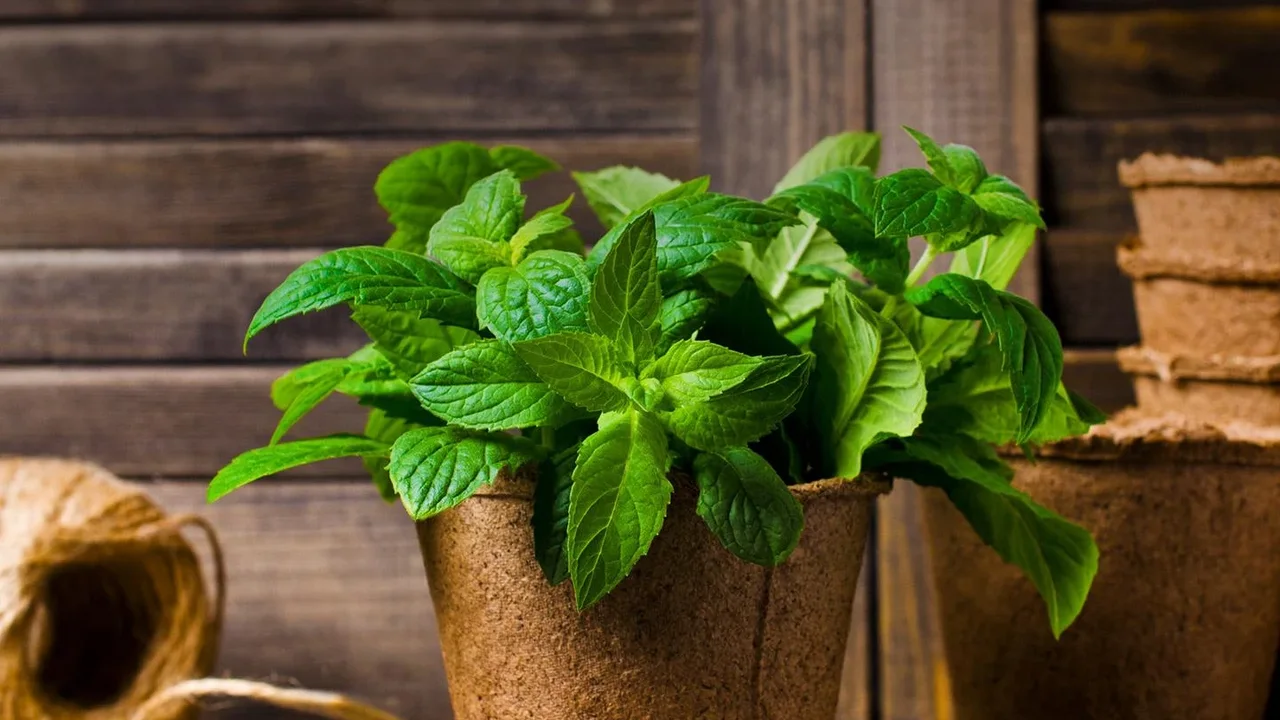
There is a special satisfaction that comes from snipping fresh herbs from your own plant. Pudina, or mint, is one of the most rewarding and forgiving herbs for a home cook to grow. Not only does it guarantee superior flavour and freshness compared to store-bought
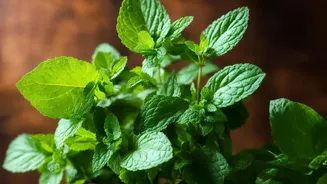
bunches, but it is also incredibly cost-effective. A single plant can provide a steady supply of leaves for months, if not years. Plus, mint is a hardy perennial, known for its vigorous growth, making it an ideal project for both seasoned gardeners and absolute beginners. By growing it in a container, you get all the benefits of its energetic growth without it taking over your garden space.
Getting Started: The Cutting Method
While you can grow pudina from seeds, the easiest and fastest way is from cuttings. The next time you buy a bunch of mint from your local vendor, select a few healthy-looking stems. Look for those that are green and sturdy, not wilted. Snip the lower leaves off each stem, leaving just the top two or three pairs. Place these bare stems in a glass of water, ensuring the lower nodes (the points where leaves were growing) are submerged. Within a week or ten days, you will see small white roots begin to sprout. This simple step is the beginning of your very own inexhaustible pudina supply.
Potting Your Pudina Plant
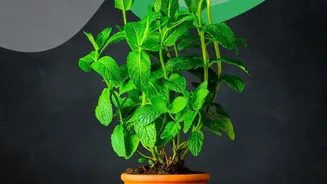
Once your cuttings have a healthy network of roots, it is time to move them to a pot. Mint is not fussy, but it does have one non-negotiable requirement: a pot with drainage holes. This prevents water from logging at the bottom, which can cause root rot. A pot that is at least 8 to 12 inches in diameter is a good start, as mint likes to spread. For the soil, a light, well-draining potting mix is best. You can create an excellent environment by mixing regular garden soil with some compost and a bit of sand or cocopeat to keep it loose and airy. Plant a few rooted cuttings in one pot; they will quickly grow to fill the space.
Sunlight and Water Essentials
Mint thrives with about four to six hours of sunlight per day. An east-facing balcony or a sunny windowsill is often perfect. While it loves sun, the intense afternoon heat of Indian summers can be stressful for the plant. If you notice the leaves looking pale or wilted, moving it to a spot with morning sun and afternoon shade can help. Mint likes its soil to be consistently moist but not soggy. A good rule is to water it whenever the top inch of the soil feels dry. On very hot days, a potted mint plant may even need to be watered daily.
Harvesting for Bushier Growth
The secret to a lush, bushy pudina plant is to harvest it regularly. Don’t just pluck individual leaves. Instead, use a pair of scissors to snip off the top portions of the stems, always cutting just above a pair of leaves. This encourages the plant to branch out from the cutting point, resulting in more stems and more leaves for you to enjoy. Start trimming your plant once it reaches about six inches in height. Frequent harvesting not only gives you fresh mint but also keeps the plant healthy and productive.
Fresh Ideas for Your Harvest
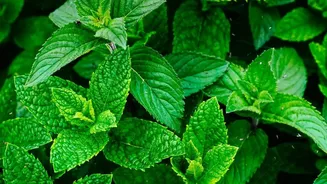
Now for the best part: using your harvest. For a classic pudina chutney, blend a packed cup of your fresh mint leaves with coriander, green chillies, ginger, lemon juice, and a pinch of salt and sugar until smooth. Using a few ice cubes or ice-cold water while blending helps retain that vibrant green colour. For a refreshing cup of mint tea, simply take a handful of fresh leaves, gently bruise them to release their oils, and steep them in hot water for 5-10 minutes. Strain and enjoy it hot or pour over ice for a cooling summer drink. The flavour from your own homegrown leaves will be unmatched.