



The Annual Great Escape
Come April, a collective sigh goes through much of India. The sun, once a benevolent friend, turns into a relentless adversary. Cities like Delhi, Lucknow, and Nagpur become virtual furnaces, with temperatures soaring past 40°C. In this sweltering reality,
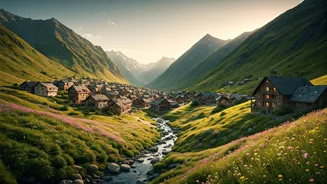
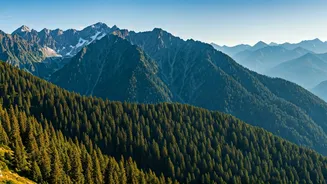
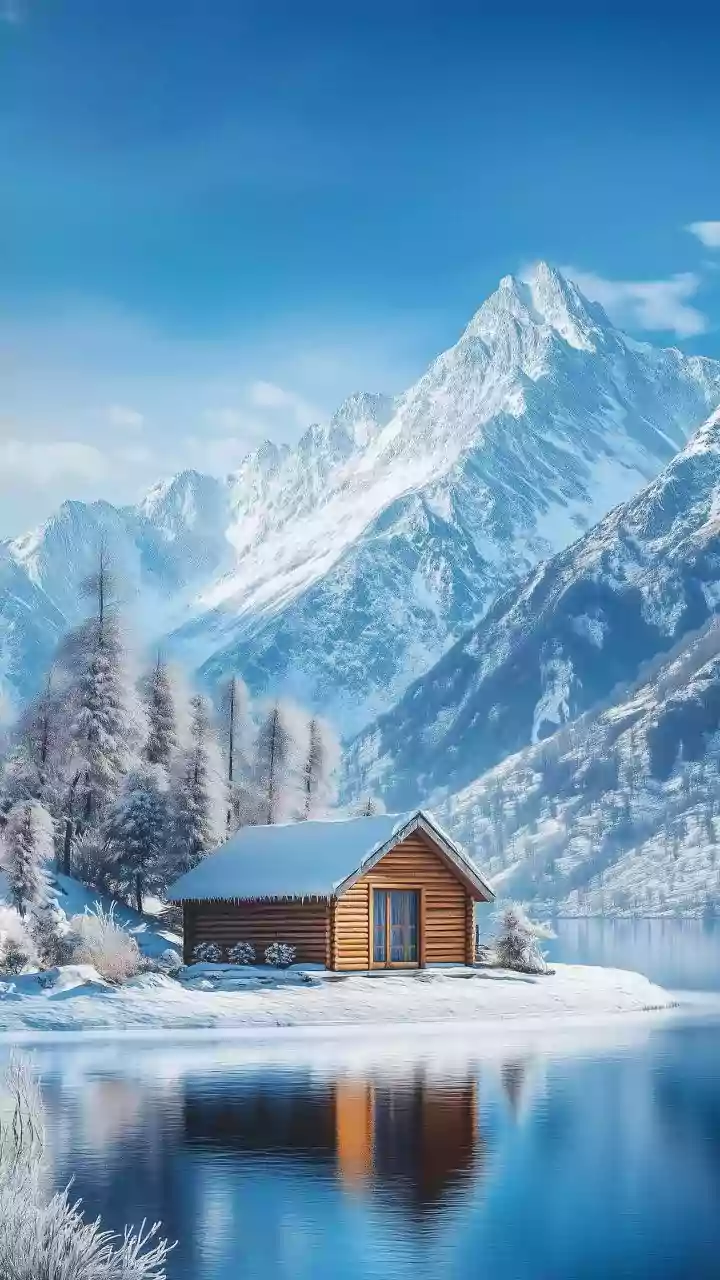
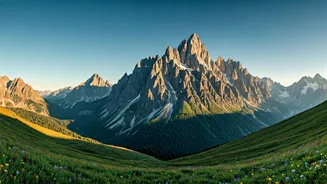
the very thought of 'pahadon ki hawa'—mountain air—becomes a national obsession. It's not just a vacation; it's a strategic retreat. Families pack their bags, professionals log in from homestays with scenic views, and social media feeds fill with misty mornings and pine-scented landscapes. This annual migration to higher altitudes is India’s most trusted, time-tested 'hack' for beating the heat, a cultural ritual that connects millions in a shared quest for cool breezes and a break from the oppressive plains.
A Legacy of the Raj
This summer tradition has deep, colonial roots. It was the British, unaccustomed to the subcontinent’s searing heat, who first sought refuge in the hills. They established 'hill stations' like Shimla, Darjeeling, Mussoorie, and Ooty as their summer capitals, meticulously recreating little slices of England amidst the Himalayas and the Western Ghats. These towns weren't just retreats; they were seats of power, complete with gothic churches, manicured gardens, and grand administrative buildings. The practice of moving the entire government apparatus to Shimla every summer set a powerful precedent. When India gained independence, the British left, but the allure of the hill stations remained. For Indians, these destinations became accessible symbols of leisure and aspiration, cementing the mountains as the definitive summer escape.
More Than Just Cool Air
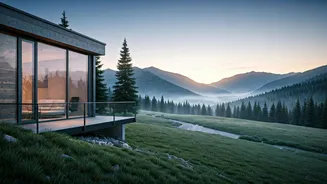
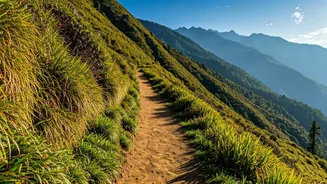
While escaping the heat is the primary driver, the appeal of the mountains runs much deeper. It’s a holistic reset for the mind and body. The crisp, clean air, a stark contrast to the polluted city haze, feels like a tonic for the lungs. The silence, broken only by birdsong or the rustling of leaves, is a balm for souls frayed by urban noise. A mountain holiday offers a change in pace. Life slows down. Days are measured not by meetings and deadlines, but by sunrises, long walks, and cups of chai overlooking a valley. This promise of mental and physical rejuvenation is a powerful pull. In a world that glorifies being busy, the mountains offer a sanctioned opportunity to pause, breathe, and simply be.
The New-Age Mountain Goer
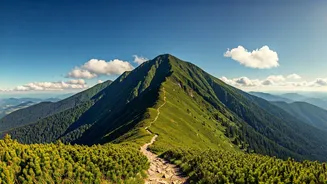
The profile of the mountain-bound traveller has evolved significantly. While family holidays remain a staple, a new generation is redefining the hill station experience. The pandemic accelerated the 'workation' trend, with professionals swapping their city apartments for long-term rentals in places like Manali, Kasol, or Coorg. Armed with a laptop and a reliable internet connection, they blend work with trekking, cafe-hopping, and exploring local culture. This has given rise to a new ecosystem of co-working spaces, boutique homestays, and hostels catering to digital nomads. Adventure tourism has also boomed, attracting thrill-seekers for everything from paragliding in Bir Billing to river rafting in Rishikesh. The modern mountain trip is less about passively admiring the view and more about actively engaging with the landscape.
The Flip Side of Paradise
However, this immense popularity comes with a price. The very destinations people flock to for peace and quiet are now grappling with the pressures of over-tourism. Traffic jams stretching for kilometres on the approach to Shimla or Nainital have become a common sight during peak season. Unregulated construction, mounting garbage, and water shortages threaten the fragile mountain ecosystems. This has led to a growing conversation around sustainable tourism. Travellers are increasingly seeking out lesser-known hamlets, opting for eco-conscious homestays, and becoming more mindful of their environmental footprint. The challenge for the future is to balance the love for the mountains with the urgent need to protect them, ensuring this beloved 'hack' remains viable for generations to come.