



The Crucial First Step: Soaking
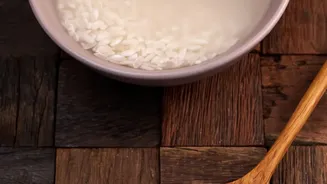
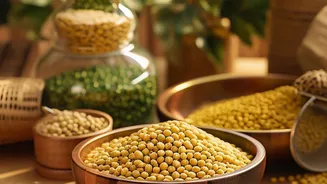
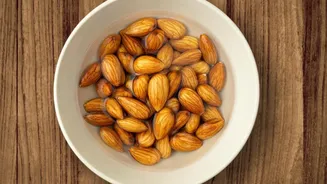
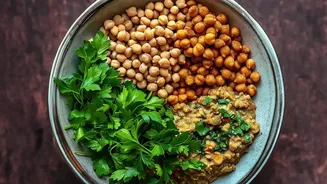
Before any heat is applied, the transformation begins with a simple soak. Soaking dried chickpeas and, to a lesser extent, lentils does more than just shorten cooking time. It helps break down complex sugars called oligosaccharides, which can cause bloating
and gas. Discarding the soaking water can wash away a significant portion of these compounds. Soaking also helps deactivate phytic acid, an 'anti-nutrient' that can interfere with your body's ability to absorb essential minerals like iron, zinc, and calcium. This initial step softens the tough outer skins, ensuring the pulses cook evenly, whether your goal is a silky dal or a hearty chole.
For Creamy Curries: The Gentle Boil
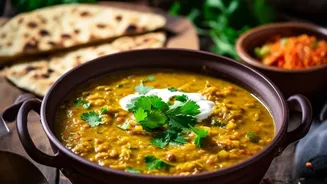
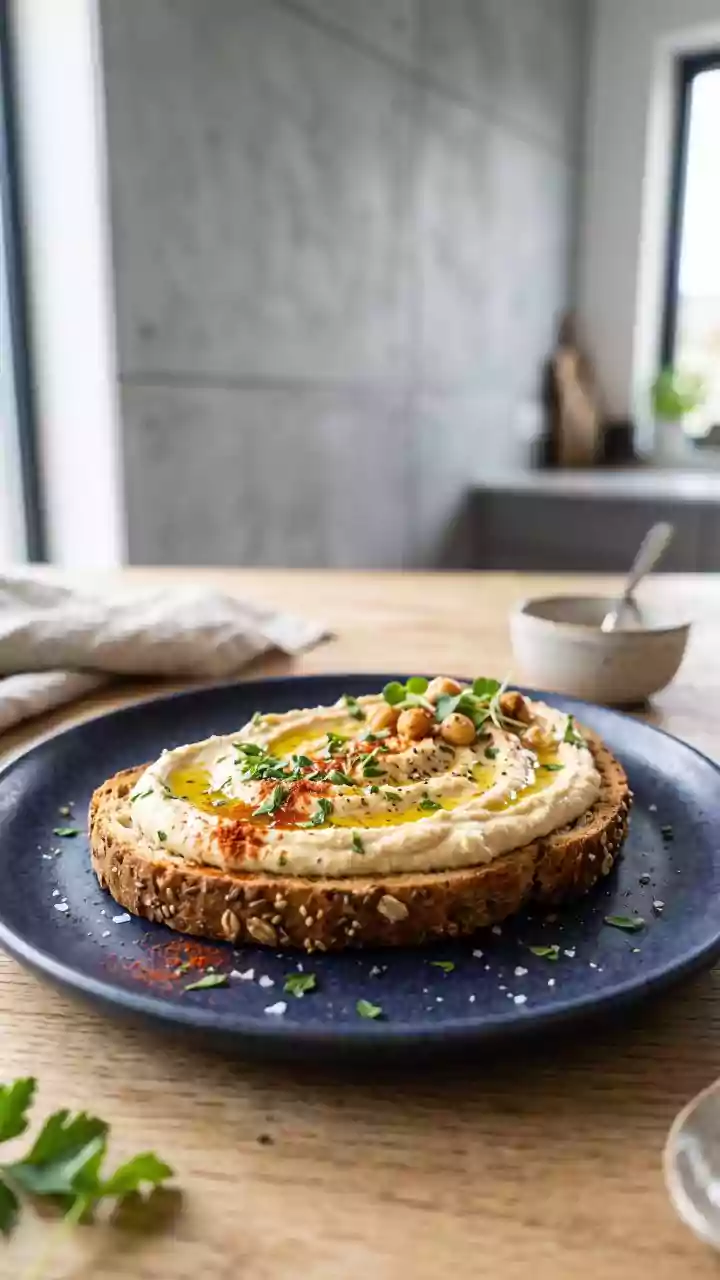
When you want a soft, melt-in-your-mouth texture perfect for dal, sambar, or a smooth hummus, boiling or simmering is your best friend. This wet-heat method gelatinises the starches and softens the fibre within the pulses, causing them to break down. Red lentils, which are skinned and split, break down very quickly, making them ideal for creamy soups and purees. For chickpeas or whole lentils, a gentle simmer, rather than a rolling boil, prevents the skins from becoming tough while the insides turn to mush. To ensure they soften properly, it's best to add salt and acidic ingredients like tomatoes or lemon juice only after the pulses are nearly tender.
For Hearty Meals: The Pressure Cooker Advantage
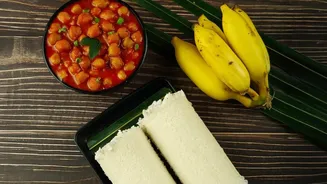
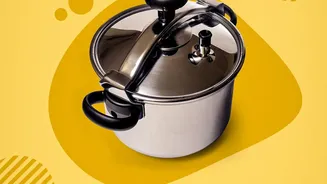
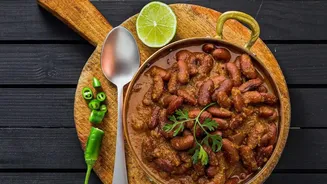
The pressure cooker is a staple in most Indian homes for a reason. It drastically cuts down cooking time, making it highly efficient for preparing chickpeas and whole lentils for dishes like chana masala or dal makhani. The combination of high heat and steam pressure cooks the pulses extremely fast, resulting in a very tender texture. Because it cooks in a sealed environment with less water, pressure cooking can be better at retaining certain nutrients compared to prolonged boiling. It's also highly effective at destroying heat-sensitive anti-nutrients like lectins, which can cause digestive issues if pulses are undercooked.
For Crunch and Flavour: Roasting and Frying
If you're aiming for a crunchy, snackable pulse, you need to use dry heat. Roasting or air-frying cooked chickpeas transforms their texture from soft to crispy. The key is to ensure the chickpeas are as dry as possible before they go into the oven. Roasting removes moisture and creates a firm, crunchy exterior, perfect for adding to salads, chaat, or enjoying as a standalone snack. This method also enhances flavour, creating a deeper, nuttier taste. For the best results, toss the chickpeas in oil after an initial baking period and add spices only at the very end to prevent them from burning and turning bitter.
The Nutrient Power-Up: Sprouting
Sprouting is a technique that changes the very nature of the pulse before it's even cooked. Soaking lentils or chickpeas and rinsing them over several days encourages them to germinate. This process significantly increases the bioavailability of vitamins, including B vitamins and Vitamin C. Sprouting also activates enzymes that break down anti-nutrients, making the pulses easier to digest and their minerals more accessible to your body. Sprouted lentils have a fresh, slightly grassy crunch and can be eaten raw in salads or lightly cooked in stir-fries, offering a completely different texture and a nutritional boost.