





Understanding the Monsoon Effect
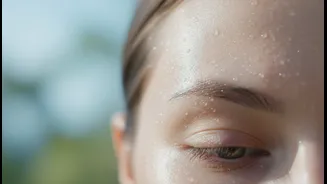
The Indian monsoon brings a dramatic increase in humidity, which significantly alters your skin's environment. High moisture in the air prevents sweat from evaporating easily, trapping it on your skin's surface. This mixture of sweat, excess oil, dust,
and pollutants creates a perfect storm for clogged pores, leading to acne and dullness. Furthermore, the constant dampness provides an ideal breeding ground for bacteria and fungi, making common issues like ringworm, athlete's foot, and folliculitis more prevalent. Your skin's protective barrier can also weaken, making it more sensitive and prone to irritation.
Rethink Your Cleansing Routine
While it's tempting to wash your face frequently to combat stickiness, over-cleansing can strip the skin of its natural oils, ironically triggering even more oil production. Dermatologists recommend cleansing just twice a day with a gentle, pH-balanced, or soap-free cleanser. For oily and acne-prone skin, consider a cleanser with salicylic acid to penetrate pores and dissolve sebum buildup. Double cleansing in the evening—starting with an oil-based cleanser to break down sunscreen and grime, followed by a water-based one—is an effective way to ensure your skin is thoroughly clean without becoming irritated.
Lightweight Hydration is Non-Negotiable
A common mistake during the monsoon is skipping moisturiser because the skin already feels oily or sticky. However, humidity in the air does not equal hydration in your skin. In fact, your skin can become dehydrated, causing it to produce even more oil to compensate. The key is to switch from heavy winter creams to lightweight, non-comedogenic (pore-clogging) formulas. Look for gel-based moisturisers containing ingredients like hyaluronic acid, which draws moisture from the humid air into your skin, or ceramides, which support the skin barrier without feeling heavy.
Don't Forget Sunscreen on Cloudy Days
The overcast sky can be deceptive, but up to 80% of the sun's harmful UV rays can penetrate through the clouds. Skipping sunscreen is one of the biggest mistakes you can make during the monsoon, as UV exposure can worsen post-acne marks and lead to uneven skin tone. Choose a broad-spectrum sunscreen with at least SPF 30. To avoid a greasy feeling, opt for a lightweight gel or water-resistant formula that feels comfortable in the high humidity and helps control shine.
Target Common Monsoon Infections
Fungal infections are one of the most frequent complaints during the rainy season. These thrive in warm, moist environments like skin folds (underarms, groin), between the toes, and other areas where sweat accumulates. To prevent them, it's crucial to keep your skin as dry as possible. Always change out of wet or sweaty clothes immediately. Wear loose, breathable cotton fabrics and ensure your feet are thoroughly dried after being exposed to rain. Using an antifungal powder in sweat-prone areas can provide an extra layer of protection.
Adapt Your Actives and Exfoliation
Gentle exfoliation is beneficial during the monsoon to remove the buildup of dead skin cells that can clog pores. However, avoid harsh physical scrubs. Instead, consider chemical exfoliants like mild AHAs (Alpha-Hydroxy Acids) or BHAs (Beta-Hydroxy Acids). Serums containing Niacinamide are particularly useful as they help regulate oil production, calm redness, and minimize the appearance of pores without being heavy on the skin. It's about using smart, lightweight layers rather than overloading the skin when it's already dealing with environmental stress.