




If you're planning a trip this December, you might be feeling some sticker shock. Holiday airfares are climbing, and it's not just your imagination. A combination of factors is making this year's festive season a pricey one for travellers.
Unprecedented Demand for Travel
The primary
driver behind expensive flights is simple: overwhelming demand. After years of fluctuating travel norms, there is a strong, sustained appetite for tourism. In India, searches for December flights surged by over 150% in a single week in October, a clear indicator of the rush to book year-end holidays. This isn't just a local trend; globally, people are eager to reconnect with family and explore new places, creating intense competition for a limited number of seats. This pent-up demand is particularly concentrated during the Christmas and New Year period, when school holidays and office shutdowns align, forcing millions to travel on the exact same days.
The Soaring Cost of Jet Fuel
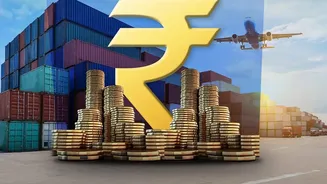
Airlines have been hit hard by the escalating price of Aviation Turbine Fuel (ATF), one of their largest operating expenses. In 2026, jet fuel prices in India have reached historic highs, at times crossing the ₹2 lakh per kilolitre mark, largely due to global conflicts and supply chain disruptions. Fuel can account for 40% to 60% of an airline's total operating costs. When these costs double, it can lead to fare increases of around 20-25% as carriers pass the expense on to consumers. This has been a key factor cited by airlines for the holiday price hikes this year.
Airlines are Managing Capacity
Airlines are still navigating a complex post-pandemic landscape. Some carriers have reduced the number of flights on less profitable routes to conserve fuel and protect their bottom line. Globally, issues like aircraft delivery delays and maintenance backlogs are also constraining the available supply of planes. During peak seasons like December, planes on popular routes often fly at over 95% capacity. With no spare aircraft to add for the holiday rush, the fundamental economic principle of high demand and limited supply takes over, pushing prices upward.
The Science of Dynamic Pricing
That feeling of watching a flight price increase before your very eyes isn't a coincidence. Airlines use sophisticated revenue management systems that automatically adjust fares based on real-time demand. These systems divide seats into different price 'buckets'. The cheapest buckets are available months in advance, and as they sell out, the system automatically moves to the next, more expensive tier. For holiday travel, the cheapest seats are often gone 60 to 90 days before departure. Waiting until the last minute is a costly gamble, as those final seats are almost always the most expensive.
Operational and Labour Costs
Beyond fuel, airlines are also grappling with other rising operational expenses. These include costs related to labour, maintenance, and navigating complex geopolitical situations that can require longer, more fuel-intensive flight routes due to airspace restrictions. Recent technological outages in air traffic control systems have also highlighted the fragility of aviation infrastructure, adding another layer of operational risk and cost for airlines to manage. All these factors contribute to a higher baseline cost for operating a flight, which is ultimately reflected in the ticket price.
Tips for Finding a Better Deal
While the overall trend is toward higher prices, there are still strategies to save. The most effective tool is flexibility. If you can, fly on the holiday itself, like Christmas Day, as it is often significantly cheaper than the days immediately preceding it. Returning midweek instead of on a peak Sunday can also yield substantial savings. Booking early remains the golden rule; experts recommend securing December flights by the end of October for the best prices. Finally, consider alternative airports and combining two one-way tickets on different airlines, which can sometimes be cheaper than a round-trip ticket.