




The Rise of Natural Cleaning
The shift towards natural, DIY cleaning solutions isn't just a trend; it's a conscious choice for many households across India. During the monsoon, when homes are often closed up against the rain, the harsh smell of chemical cleaners can be overwhelming.
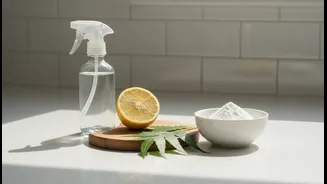
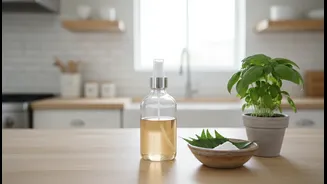
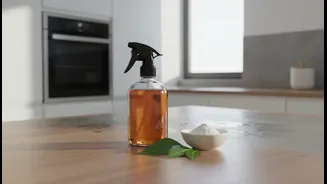
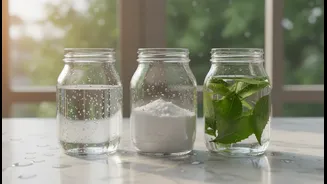
Ingredients like vinegar, baking soda, and neem are not only cost-effective and readily available, but they also offer a gentler alternative. Many people are drawn to the idea of using fewer synthetic chemicals in their homes, believing it's better for their family's health and the environment. Baking soda is a gentle abrasive and a powerful deodoriser, perfect for scrubbing surfaces and absorbing musty monsoon odours. Vinegar, a mild acid, is excellent for cutting through grease and grime. Neem, long hailed as the ‘village pharmacy,’ is trusted for its traditional antibacterial properties. Together, they form the backbone of a low-chemical cleaning arsenal.
What Natural Cleaners Can (and Can't) Do
Understanding the science behind these ingredients is key to using them effectively. Vinegar's acidity helps dissolve mineral deposits and can kill some common bacteria like E. coli and Salmonella under certain conditions. Baking soda works by physically scrubbing away dirt and neutralizing odours. Neem contains compounds that have shown antibacterial and antifungal properties in various studies. However, their power has limits. The crucial distinction is between cleaning and disinfecting. Cleaning removes visible dirt and some germs. Disinfecting kills almost all germs and requires specific chemical agents. Vinegar, for instance, is not registered as an EPA disinfectant and is not reliable against many viruses and stubborn bacteria like staphylococcus. For a product to be called a disinfectant, it must be proven to kill 99.9% of specific pathogens, a standard that homemade solutions do not meet.
The Monsoon Health Challenge
The monsoon brings more than just rain; it creates an ideal environment for germs to thrive. High humidity and dampness lead to the rapid growth of mould and fungi on walls, in cupboards, and on clothes. Stagnant water becomes a breeding ground for mosquitoes, increasing the risk of diseases like dengue, malaria, and chikungunya. Furthermore, the risk of water-borne illnesses such as typhoid, cholera, and gastroenteritis rises due to potential contamination of water sources. These are not minor concerns; they are significant health risks that demand a robust response. The damp conditions also mean bacteria and viruses can linger on surfaces longer, making areas like kitchens and bathrooms high-risk zones for infection.
When Proper Disinfection Is Non-Negotiable
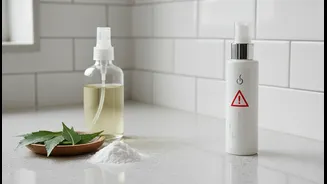
While a vinegar spray might be fine for wiping down a window, certain situations absolutely require a certified disinfectant. These are moments when the risk of infection is high, and you cannot afford to take chances. You must use a proper disinfectant when cleaning up after someone has been sick to prevent the spread of germs. It is also essential for sanitizing kitchen surfaces after handling raw meat or eggs to prevent food poisoning. Fighting mould requires a product that can kill the spores, not just wipe away the surface growth; otherwise, it will return. Bathrooms, with their constant moisture and high traffic, need regular and thorough disinfection to control bacteria and viruses. During a local outbreak of a communicable disease, relying on natural cleaners alone is insufficient to protect your home. In these scenarios, the cleaning goal shifts from simple maintenance to active health protection.
A Smart and Balanced Cleaning Strategy
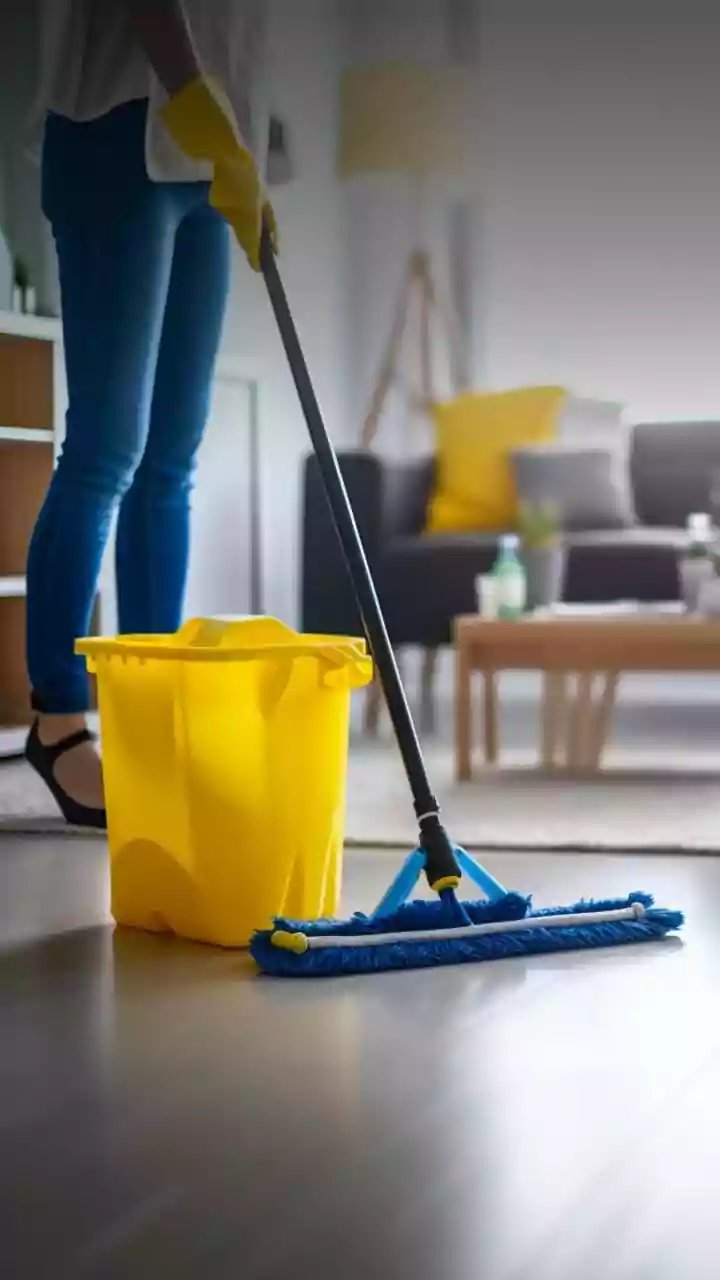
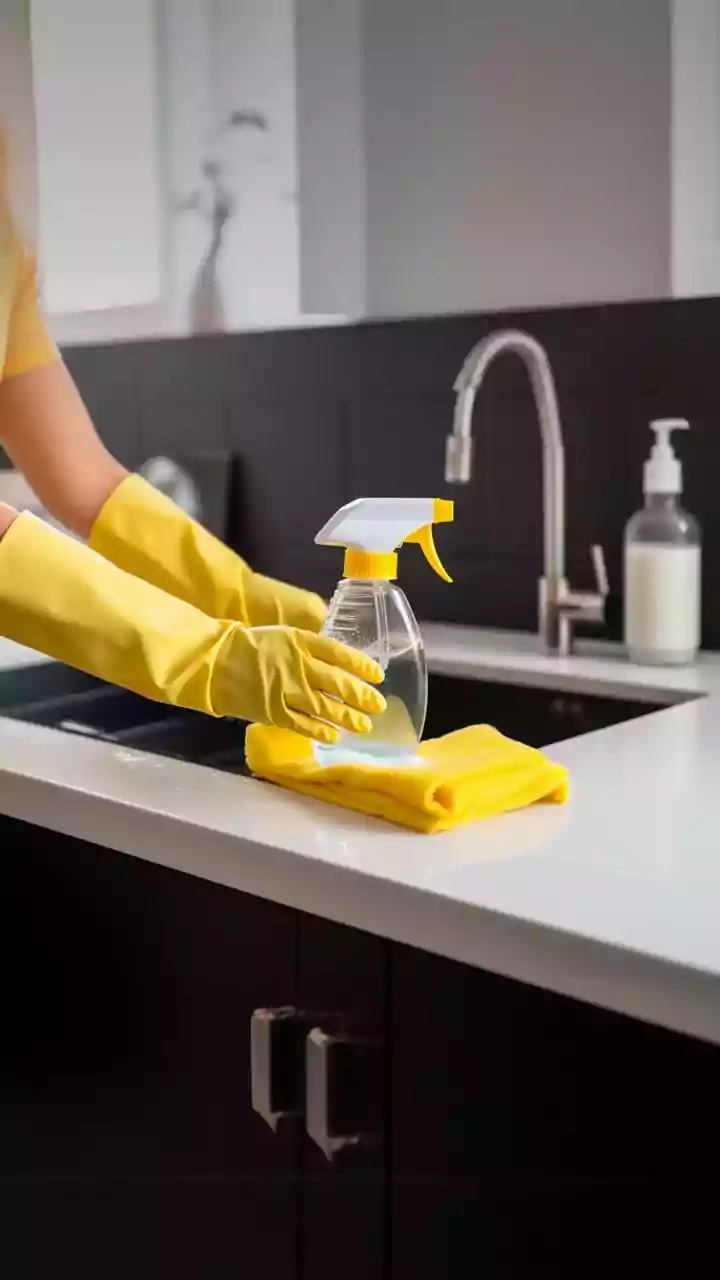
The most effective approach to monsoon cleaning is a balanced one. Use natural cleaners for low-risk, everyday tasks. A solution of vinegar and water is great for cleaning glass, mirrors, and general surface wiping. A paste of baking soda can be used to scrub sinks and remove light stains. Mopping floors with water containing neem extract may offer some antibacterial benefits for daily cleaning. However, for your weekly deep clean—especially in the kitchen and bathrooms—use a registered disinfectant cleaner. Always keep a reliable disinfectant on hand for high-risk situations. This two-tiered strategy allows you to reduce your daily exposure to harsh chemicals while ensuring you have the necessary firepower to protect your family's health when it truly matters. It’s not about choosing one over the other, but about knowing when to use the right tool for the job.