





More Than Just a Meal Carrier
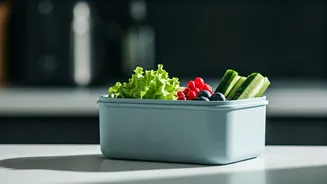
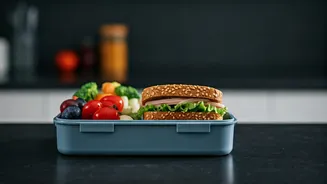
Parents and professionals alike spend considerable time planning nutritious meals. Yet, the container carrying that carefully prepared food often goes unexamined. A new awareness is growing around the potential risks associated with lunchboxes themselves.
This includes how they are cleaned, what materials they are made from, and their ability to maintain safe food temperatures. Studies have shown that unwashed lunchboxes can become breeding grounds for mould and harmful bacteria, including Staphylococci and Enterococci, which can lead to food poisoning. The focus is expanding from the food itself to the entire system of packing and transporting it safely.
The Temperature Danger Zone
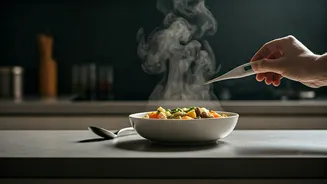
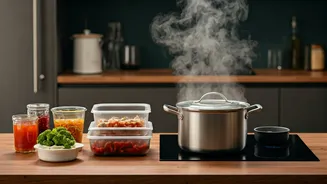
One of the most critical aspects of lunchbox safety is temperature control. Bacteria that cause foodborne illness multiply rapidly in the 'Danger Zone,' a temperature range between 4°C and 60°C. Perishable foods like meats, yogurts, and cheeses must be kept below this threshold. An insulated lunch bag is the first line of defense. To be effective, it should be paired with at least two cold sources, such as frozen gel packs or even a frozen water bottle. For hot foods like soups or stews, an insulated thermos is essential. To maximize its effectiveness, first fill the thermos with boiling water and let it sit for a few minutes. After emptying the water, add the piping hot food; this preheating step helps it stay above the 60°C safe zone until lunchtime.
Decoding the Materials
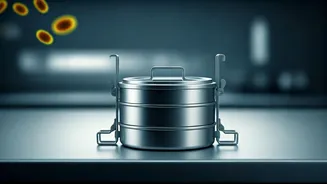
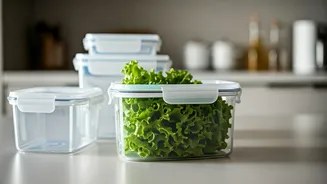
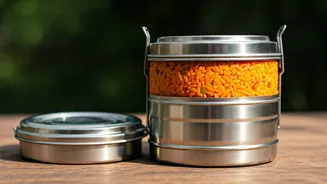
The material of your lunch container is another major point of discussion. For years, plastic has been the convenient, low-cost choice. However, concerns have grown around chemicals like Bisphenol A (BPA) and phthalates, which can leach into food, especially when the plastic is heated, old, or scratched. While many products are now labeled 'BPA-free,' some studies suggest that the substitute chemicals, like BPS, may also pose health risks. For this reason, many experts now recommend alternatives. Food-grade stainless steel is considered a safer choice as it is non-toxic, non-porous, and does not leach chemicals. It also resists stains, odors, and bacteria better than plastic. Glass containers are another excellent option, though their weight and fragility can be a drawback for school lunches.
The Deep Clean Imperative
A lunchbox might look clean after a quick shake-out of crumbs, but invisible germs can thrive. Fabric lunch bags can be particularly problematic, with one study finding that nearly three-quarters harbored high counts of germs. A daily cleaning routine is non-negotiable. At the end of each day, empty the lunchbox completely and wipe the interior with hot, soapy water or a disinfectant spray. Allow it to air dry completely to prevent mould growth. At least once a week, perform a deeper clean. For fabric bags, check the care label to see if it can be machine washed on a gentle cycle. For hard containers, a thorough wash with hot, soapy water is effective. To combat lingering odors, sprinkle baking soda inside the empty container and let it sit overnight before wiping it out.