


An Astronomical Spectacle: The Perseids of 2026
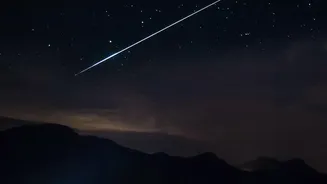
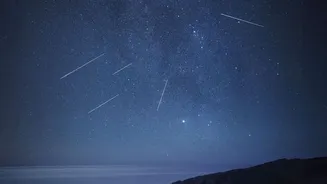
The annual Perseid meteor shower is set to reach its spectacular peak on the night of August 12 and into the early morning of August 13. This year promises to be exceptionally good for viewing, as the peak coincides with a new moon, ensuring the skies
will be as dark as possible, allowing even faint meteors to shine. Caused by the Earth passing through the debris trail of Comet Swift-Tuttle, the Perseids are known for their fast, bright meteors, with viewers in ideal locations potentially seeing up to 100 shooting stars per hour. For observers in India, the best time to watch will be after midnight, particularly between 2:00 AM and the pre-dawn hours of August 13. No special equipment is needed; just find a dark spot away from city lights, lie back, and look up.
Hanle, Ladakh: India's Premier Dark Sky Reserve
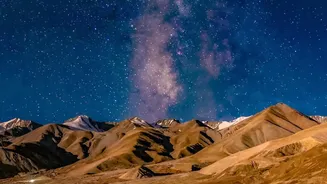
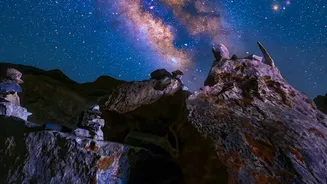
For the most dedicated stargazers, there is no better destination in India than Hanle in Ladakh. Officially designated as India's first Dark Sky Reserve, this remote, high-altitude region offers some of the clearest and darkest skies in Asia. Situated at over 4,500 metres, the thin, dry air and near-total absence of light pollution create perfect astronomical conditions. Hanle is home to the Indian Astronomical Observatory, a testament to its pristine skies. Local communities are trained in astro-tourism, offering guided stargazing sessions for visitors. Reaching Hanle is an adventure in itself, but the reward is an unparalleled view of the cosmos, where the Milky Way is so bright it can cast a faint shadow.
Spiti Valley, Himachal Pradesh: A High-Altitude Desert Oasis
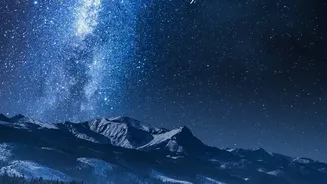
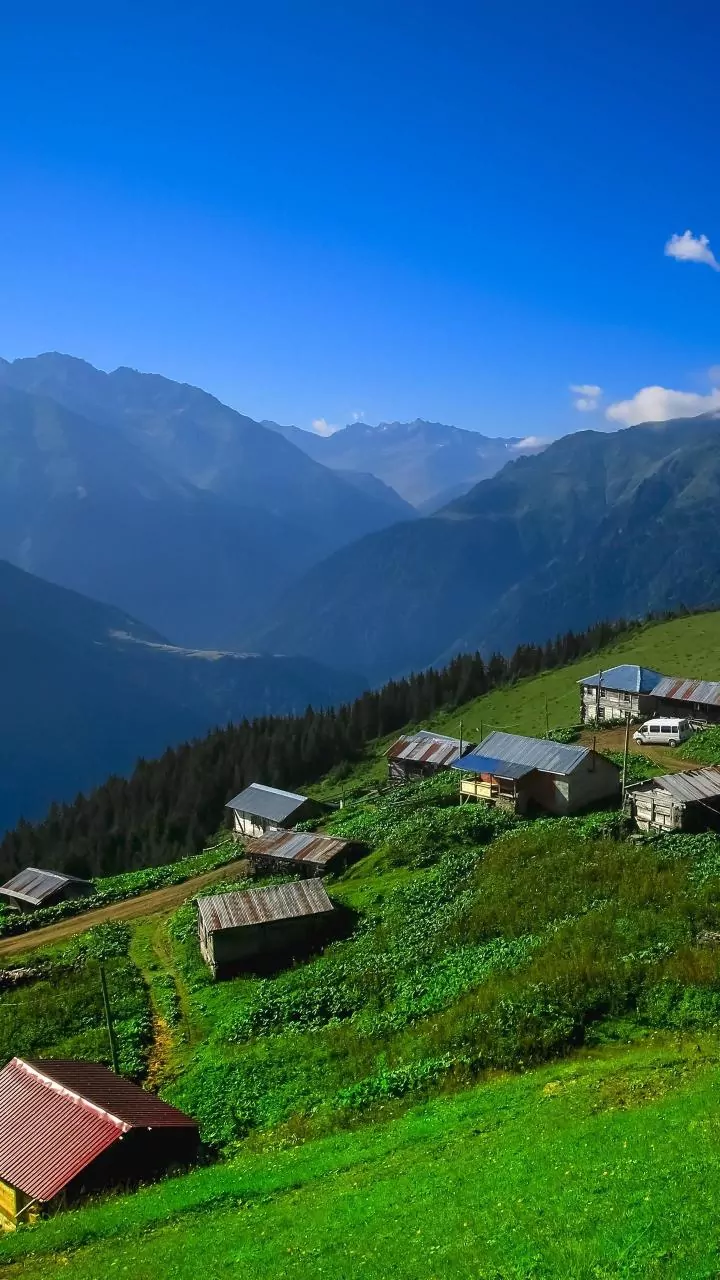
Another Himalayan haven for stargazers is Spiti Valley. This cold desert region is renowned for its vast, unobstructed skies and minimal light pollution due to its remote location and sparse population. The high altitude and dry climate ensure more than 250 clear nights a year, making it a reliable choice for celestial events. Villages like Langza, Kibber, and Komic are particularly famed for their dark skies, providing a breathtaking backdrop of jagged peaks for the meteor shower. A short drive away from the main town of Kaza will lead you to ideal viewing spots where the silence of the mountains and the brilliance of the stars create a truly immersive experience.
Rann of Kutch, Gujarat: A Salt Desert Under the Stars
For a completely different but equally stunning landscape, the Great Rann of Kutch in Gujarat offers a unique stargazing experience. The vast, flat salt desert provides an unending, 360-degree horizon with no obstructions. Far from major cities, the light pollution is minimal, especially in the winter months which are considered ideal for clarity. During a meteor shower on a moonless night, the contrast between the shimmering white salt flats and the dark, star-filled sky is unforgettable. Popular spots include the area around Dhordo, the gateway to the White Rann, and Kala Dungar (Black Hill), the highest point in Kutch, which offers a panoramic view of the celestial show.
Coorg, Karnataka: Dark Skies in the Southern Ghats
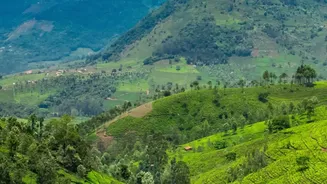
Stargazers in South India can head to the hills of Coorg (Kodagu) in Karnataka. While the region is famous for its coffee plantations, its southern valleys, away from the main town of Madikeri, boast remarkably dark skies. Areas near the Brahmagiri Wildlife Sanctuary, such as Kutta and Srimangala, are particularly noted for their low light pollution, thanks to dense forest cover and sparse population. The high elevation in the Western Ghats places you above the atmospheric haze of the plains. Finding a homestay in a remote estate provides the perfect base to enjoy the Perseids against a backdrop of misty hills and the serene sounds of nature.
Emerging Spots in Maharashtra
Maharashtra has recently announced 11 designated sites for astro-tourism, making it easier for residents of Mumbai and Pune to escape city lights. Locations like Bhandardara, with its high altitude, and the area around the Lonar Crater offer excellent dark-sky conditions. The Pench Tiger Reserve, now a designated Dark Sky Park, allows visitors to combine wildlife spotting by day with stargazing by night. For those seeking a quick getaway, spots like Velhe and Mulshi Dam near Pune also provide clear views of the Milky Way and meteor showers on moonless nights.
Quick Tips for Optimal Viewing
To make the most of the Perseid meteor shower, a little preparation goes a long way. First, get as far away from city and town lights as possible. Find a spot with a wide, open view of the sky. Allow your eyes to adjust to the darkness for about 20-30 minutes; this means avoiding looking at your phone screen, as its white light can ruin your night vision. A reclining chair or a blanket will let you watch in comfort. While meteors can appear anywhere, they will seem to originate from the constellation Perseus, which rises in the northeastern sky. Finally, be patient. Meteor watching involves periods of waiting followed by the sudden reward of a shooting star streaking across the sky.