








A Bounty of Winter Goodness
As the temperature drops, fruit markets across India become vibrant with seasonal delights. These winter fruits are not just delicious but are also nutritional powerhouses, perfectly suited to help our bodies cope with the colder months. Key players this
season include amla (Indian gooseberry), guava (amrood), pomegranates (anaar), oranges (santra), and custard apples (sitaphal). Each offers a unique profile of vitamins and minerals that can strengthen immunity, improve digestion, and give your skin a healthy glow.
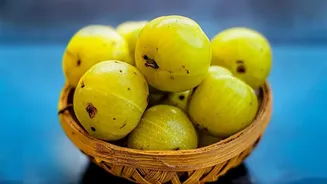
The Immunity Booster: Amla (Indian Gooseberry)
Amla is a true winter superfood, celebrated in Ayurveda for its health benefits. It is one of the most potent natural sources of Vitamin C, containing significantly more than oranges. This high Vitamin C content makes it a powerful ally for your immune system, helping to ward off common winter ailments like colds and flu. Amla also supports digestion, enhances skin health by promoting collagen production, and its antioxidant properties help protect the body from damage caused by free radicals.
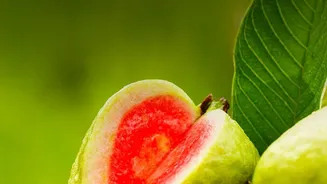
The Fibre-Rich Delight: Guava (Amrood)
Often hailed as a winter wonder, guava is another fruit exceptionally rich in Vitamin C, even more so than oranges. It is also an excellent source of dietary fibre, which is crucial for maintaining a healthy digestive system, preventing constipation, and ensuring regular bowel movements. The fibre in guava also helps in managing blood sugar levels and can contribute to heart health by helping regulate blood pressure and cholesterol.
The Antioxidant Powerhouse: Pomegranate (Anaar)
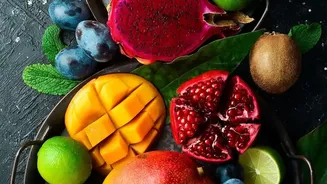
With its jewel-like seeds, pomegranate is packed with powerful antioxidants like punicalagins and anthocyanins. These compounds help combat inflammation and protect cells from damage. Regular consumption of pomegranate has been linked to improved heart health, including better blood pressure and cholesterol levels. It's also a good source of Vitamin C and K, making it a valuable addition to your winter diet for overall wellness.
More Winter Stars: Oranges and Custard Apples
Oranges, the quintessential winter fruit, are famous for their high Vitamin C content, which is vital for a strong immune system. Custard apples, or sitaphal, offer a creamy, sweet treat packed with vitamins A and C, potassium, magnesium, and fibre. They are great for boosting energy, aiding digestion, and supporting heart health.
The Whole Fruit Advantage
Now for the crucial point: the form in which you consume these fruits matters immensely. While a glass of fresh juice might seem like a convenient health hack, it is nutritionally inferior to eating the fruit whole. The process of juicing strips away some of the most beneficial components of the fruit, fundamentally changing how your body processes it.
Why Fibre Is Your Friend
The most significant loss during juicing is dietary fibre, which is found in the pulp and skin. Fibre is essential for good health. It slows down the absorption of sugar into the bloodstream, preventing sharp spikes in blood sugar levels. It also promotes a feeling of fullness, which helps with weight management. Furthermore, fibre is crucial for a healthy digestive system, aiding regular bowel movements and feeding beneficial gut bacteria. Juicing removes most of this invaluable fibre.
The Hidden Sugar Trap
When you eat a whole fruit, the sugars are naturally bound within its fibrous structure. This means your body breaks them down slowly. In contrast, fruit juice contains 'free sugars' that are absorbed very quickly, similar to the sugar in sweetened drinks. This can lead to a rapid increase in blood sugar and insulin levels. A single glass of juice often contains the sugar of several fruits, but without the fibre to regulate its absorption, making it a concentrated source of sugar and calories.
Nutrients Lost in Translation
Beyond fibre, the juicing process can also lead to the loss of other important nutrients. Many beneficial antioxidants and phytonutrients are concentrated in the skin and pulp of fruits, which are often discarded. Exposure to air and light during juicing can also degrade sensitive vitamins like Vitamin C. By choosing to eat the whole fruit, you ensure you are getting the complete package of vitamins, minerals, fibre, and antioxidants as nature intended.