



Go Beyond the Bag
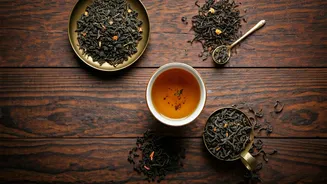
The convenience of a tea bag is undeniable, but it comes at a cost to both flavour and your health. Many tea bags are made from paper sealed with plastic fibres, or are pyramid-shaped sachets made entirely of plastics like nylon or PET. Studies have found
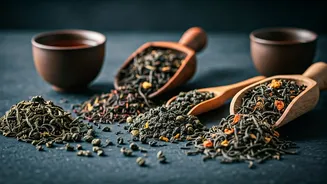
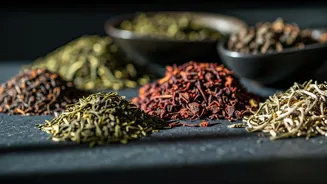
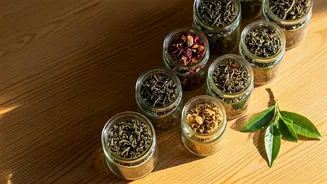
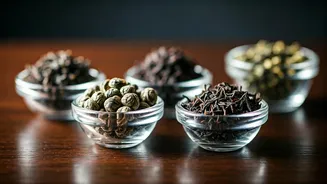
that steeping these bags in hot water can release billions of microplastic and nanoplastic particles into your cup. Beyond the plastic, most bags contain tea "dust" and "fannings"—small, broken pieces of low-quality tea that lack the nuanced flavour and full health benefits of whole leaves. Upgrading to loose-leaf tea allows the whole leaves to unfurl, releasing their full array of flavours, essential oils, and antioxidants. It’s also a more sustainable choice with less packaging waste.
Master Your Water Temperature
Using boiling water for every type of tea is a common mistake that can ruin the taste. Different teas require different water temperatures to extract their ideal flavours. Delicate green and white teas, for instance, should be brewed at lower temperatures, typically between 75°C and 85°C. Water that is too hot can 'burn' the leaves, resulting in an unpleasantly bitter and astringent cup. Black teas and most herbal infusions are more robust and can handle near-boiling water, around 95°C to 100°C, which helps extract their deep, malty character. Oolong teas fall somewhere in the middle, usually brewing best around 90°C. Investing in a kettle with temperature control or simply letting boiling water cool for a couple of minutes can dramatically improve the taste of your tea.
Rethink Your Sweeteners
If you enjoy a sweet cup of chai, you’re not alone. While some studies suggest adding small amounts of sugar to tea may not carry significant health risks, excessive sugar is linked to a range of health problems. Furthermore, adding sugar can mask the subtle, complex flavours of a quality tea and may even reduce some of its health benefits. A smarter upgrade involves exploring natural alternatives. Honey is a classic choice, offering its own unique flavour notes and antibacterial properties. Other options include maple syrup for black teas, calorie-free stevia, or even adding spices like cinnamon or cardamom, which provide perceived sweetness without the sugar. Gradually reducing the amount of any sweetener can also help you appreciate the tea's natural taste.
Explore Functional Infusions
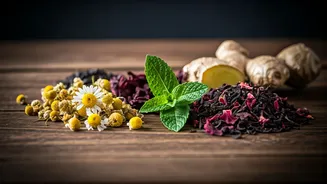
While traditional teas from the Camellia sinensis plant (black, green, white, oolong) are rich in antioxidants, the world of herbal teas offers a vast array of functional benefits. These infusions, made from dried fruits, flowers, spices, or herbs, are typically caffeine-free and can be chosen to suit your needs. Chamomile tea, for example, is renowned for its calming properties and can aid in sleep. Peppermint and ginger teas are excellent for supporting digestion, while hibiscus tea has been shown to have antiviral properties and may help lower blood pressure. Incorporating these functional infusions into your routine can provide targeted wellness support, whether you need to unwind, digest a meal, or boost your immune system.
Mind the Time of Day
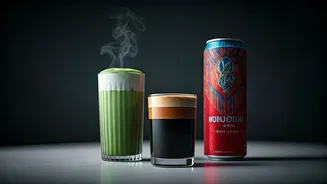
Timing your tea consumption can make a big difference in how you feel. Because of its higher caffeine content, a robust black tea is often ideal for the morning to help you wake up and focus. An average cup of black tea contains about 40-70 mg of caffeine. Green tea, which generally has less caffeine (around 20-45 mg) and contains the calming amino acid L-theanine, makes for a great mid-morning or early afternoon pick-me-up that provides gentle alertness without the jitters. In the evening, it's best to switch to caffeine-free herbal teas like chamomile or lemon balm to avoid disrupting your sleep.