



From Clutter to Curation
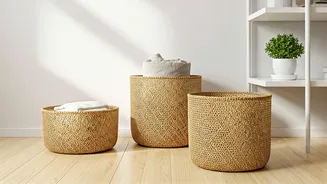
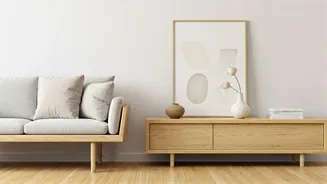
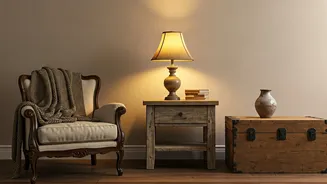
The most immediate lesson a small space teaches is selectivity. With limited room, you simply cannot afford to accumulate items indiscriminately. This forces a shift from mindless consumption to mindful curation. Every object must justify its existence,
serving a purpose or bringing significant joy. This leads to a decluttered environment that feels more serene and personal. The popular "one in, one out" rule becomes less of a trendy mantra and more of a practical necessity, ensuring that your home is filled only with things you truly need and love. This habit of intentionality doesn't just create a tidier space; it fosters a deeper appreciation for quality over quantity.
The Necessity of Multifunctionality
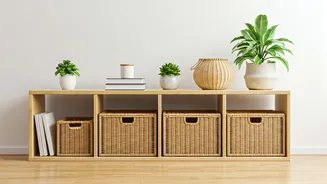
In a small apartment, every piece of furniture is expected to work harder. A coffee table isn't just a coffee table; it's also a storage unit, a dining surface, or extra seating when topped with a tray. This necessity has fueled the rise of ingenious, multifunctional furniture. Think sofa beds that transform living rooms into guest rooms, expandable dining tables that are ready for company, and storage ottomans that hide clutter in plain sight. Even Murphy beds, which fold into the wall, can turn a bedroom into a home office or yoga studio during the day. This habit of choosing versatile pieces makes residents smarter consumers and more efficient planners, seeing furniture not just for its form but for its full potential.
Thinking Vertically
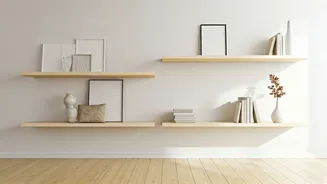
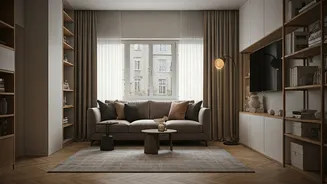
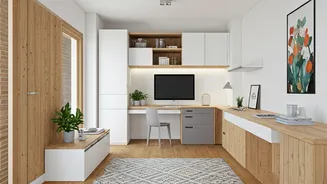
When you can't build out, you build up. This is a core principle of small-space living that reprograms how we see our homes. Walls are no longer just for hanging pictures; they become prime real estate for storage. Floor-to-ceiling bookshelves, floating shelves, and wall-mounted desks free up precious floor space, drawing the eye upward and creating an illusion of height and openness. This upward-thinking approach applies everywhere, from installing shelves above doorways to using over-the-toilet racks in the bathroom. By learning to utilize vertical space, we develop a three-dimensional approach to design, making our homes feel larger and more organized.
The Art of Creating Zones
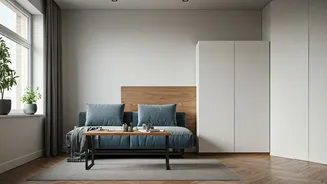
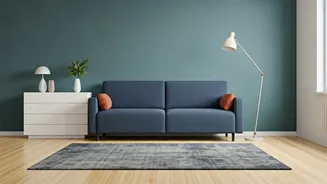
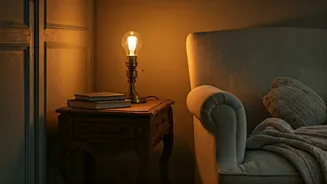
Studio and one-bedroom apartments often lack the clear, physical separation of rooms. This challenge inspires a more creative approach to defining space: zoning. Instead of walls, residents learn to use visual cues to create distinct areas for sleeping, working, and relaxing. A well-placed area rug can anchor a living room setup, visually separating it from a dining area. A sofa facing away from the bed can create a psychological boundary between the living and sleeping zones. Even lighting can be used strategically, with brighter task lighting for a work nook and warmer, ambient light for a relaxation corner. This habit of creating zones without walls cultivates a sophisticated understanding of flow and spatial arrangement.
A Mindset of Intentional Living
Ultimately, the habits learned from designing a small apartment transcend interior decorating. They amount to a broader philosophy of intentional living. The efficiency required to manage a small space encourages a minimalist mindset, which is linked to reduced stress and increased productivity. You become more conscious of your environmental footprint, as smaller homes consume less energy and require fewer material goods. You learn to solve problems creatively, finding innovative solutions for everyday challenges. The constraints of a small apartment, when embraced, can lead to a richer, more organized, and more mindful way of life, proving that good design is not about the size of your home, but the thoughtfulness you bring to it.