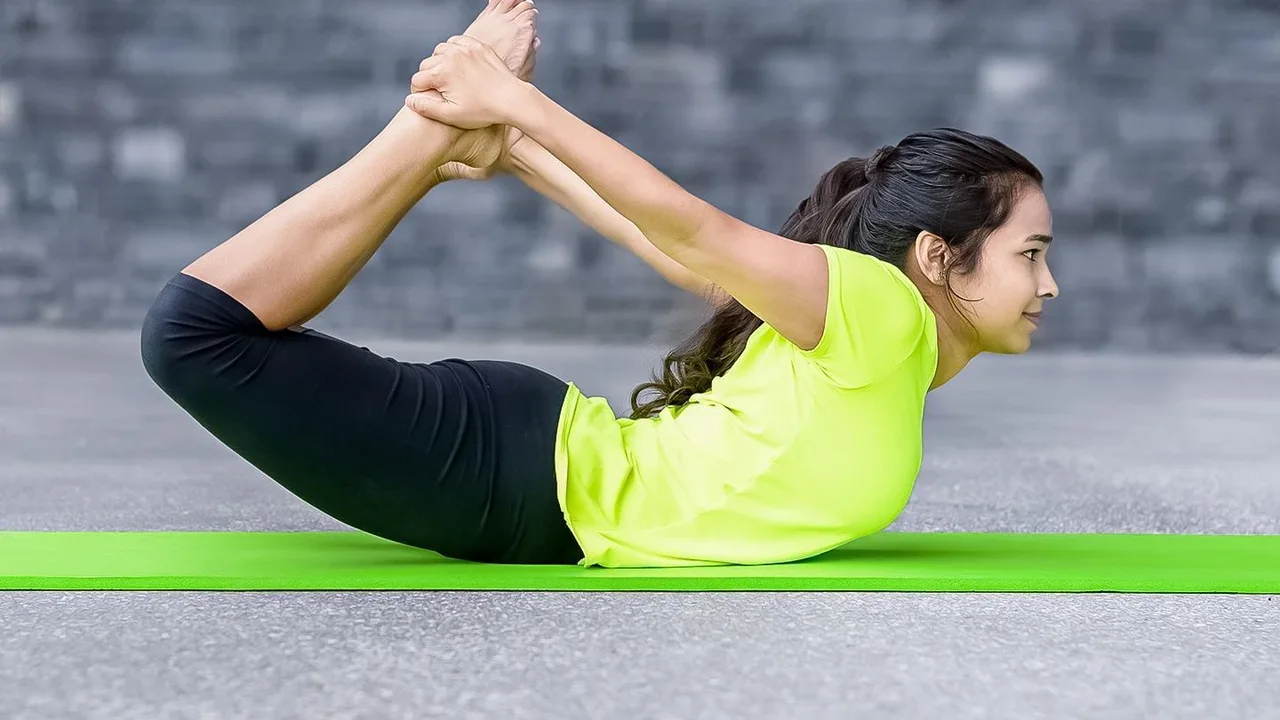


How Yoga Calms a Stressed-Out Mind
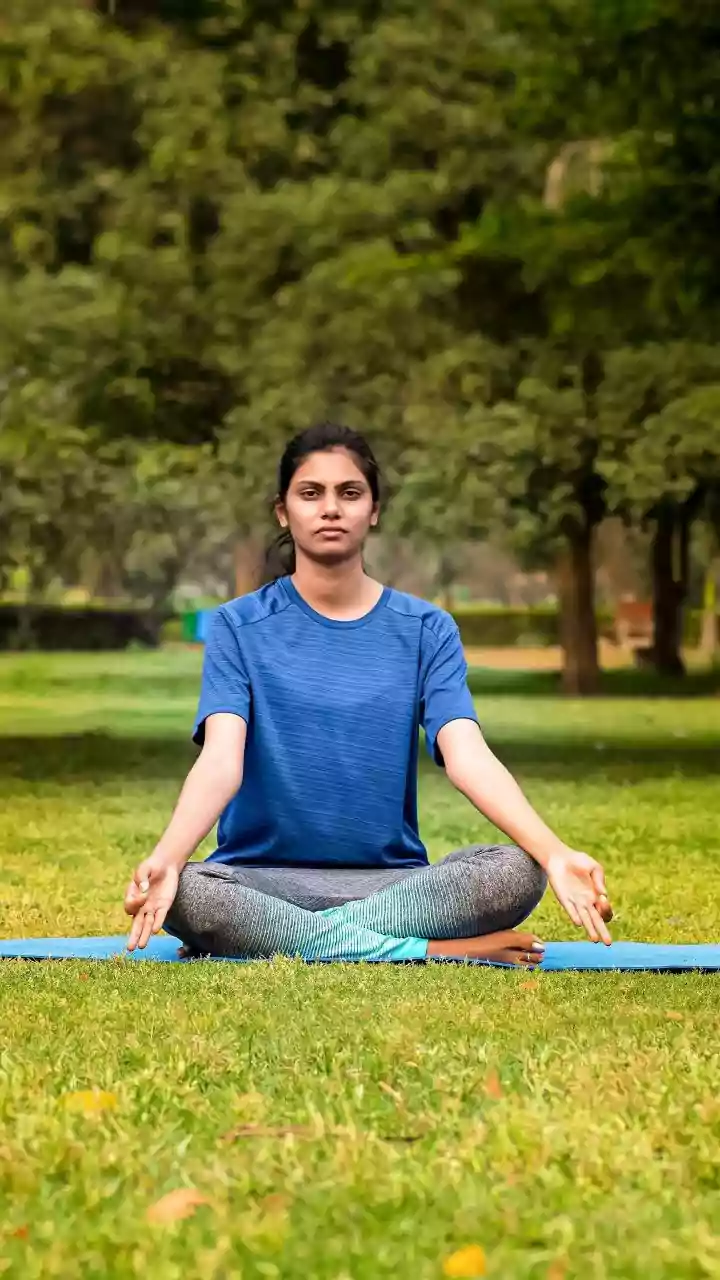
When you feel stressed, your body's 'fight-or-flight' response is activated. Yoga helps counter this by engaging the 'rest-and-digest' system, also known as the parasympathetic nervous system. Through a combination of physical postures (asanas), controlled
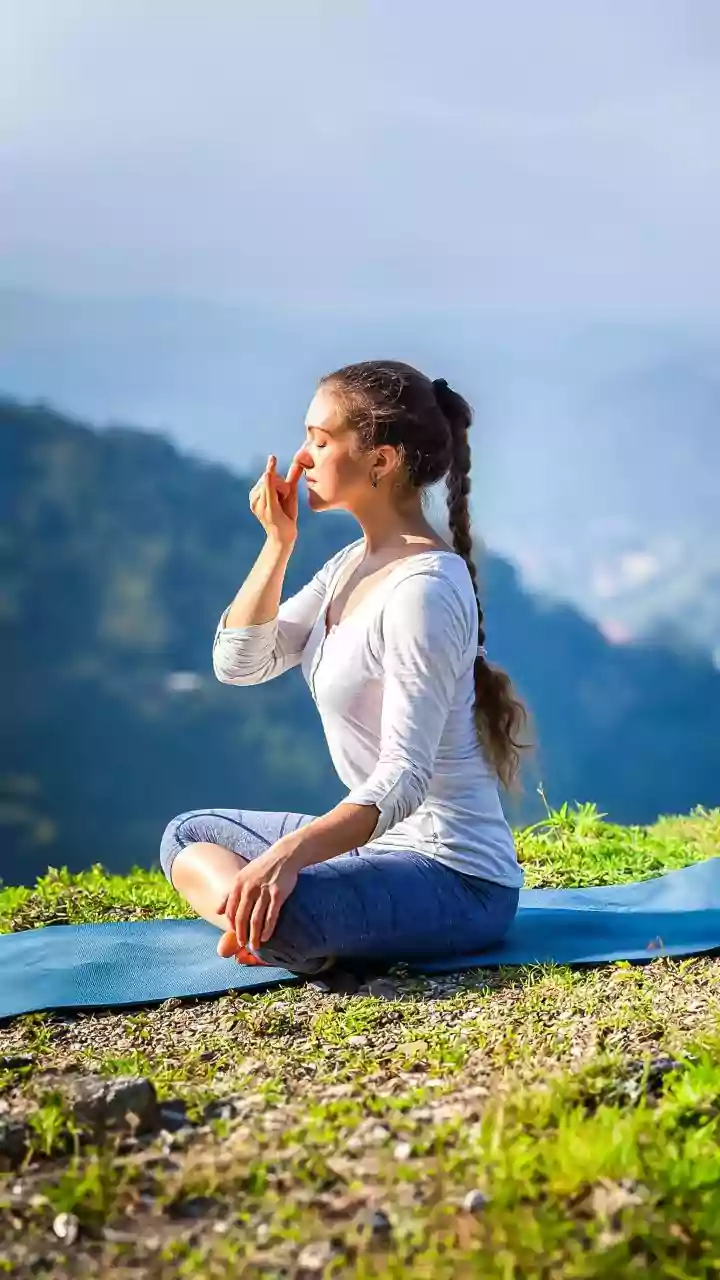
breathing (pranayama), and mindfulness, yoga can lower the stress hormone cortisol, reduce your heart rate, and calm mental chatter. This process not only releases tension stored in muscles like the neck and shoulders but also increases blood flow and oxygen to the brain. An oxygenated brain is an alert brain, leading to better concentration and memory retention—essential skills during intense study periods.
Child's Pose (Balasana)
This gentle resting pose is one of the most effective for immediate stress relief. It calms the nervous system and gently stretches the back, hips, and shoulders, areas that hold a lot of tension after hours of sitting. To practice it, kneel on the floor, bring your big toes together, and sit back on your heels. Then, fold forward, resting your torso between your thighs and your forehead on the floor. You can either stretch your arms forward or rest them alongside your body with palms facing up. Hold the pose for at least 30 seconds, focusing on deep, slow breaths to quiet your mind.
Cat-Cow Pose (Marjaryasana-Bitilasana)
Slouching over books can lead to a stiff spine and mental fog. The Cat-Cow flow is perfect for releasing this tension and promoting relaxation. Start on your hands and knees in a tabletop position. As you inhale (Cow), drop your belly towards the floor and look up, opening your chest. As you exhale (Cat), round your spine towards the ceiling and tuck your chin to your chest. This movement increases spinal flexibility and blood circulation, which can help release stored anxiety. Repeat this fluid motion for five to ten breaths.
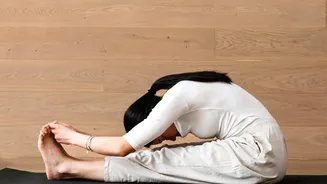
Seated Forward Bend (Paschimottanasana)
This powerful pose stretches the entire back of the body, from the heels to the neck. It's known to calm the brain and relieve stress and mild depression. To begin, sit on the floor with your legs stretched out in front of you. You can keep a slight bend in your knees. Inhale to lengthen your spine, and as you exhale, hinge at your hips and fold forward, reaching for your feet. Don't worry about how far you can go; the goal is to release tension in your hamstrings and back. Stay in the pose for 30 to 60 seconds, breathing deeply into the stretch.
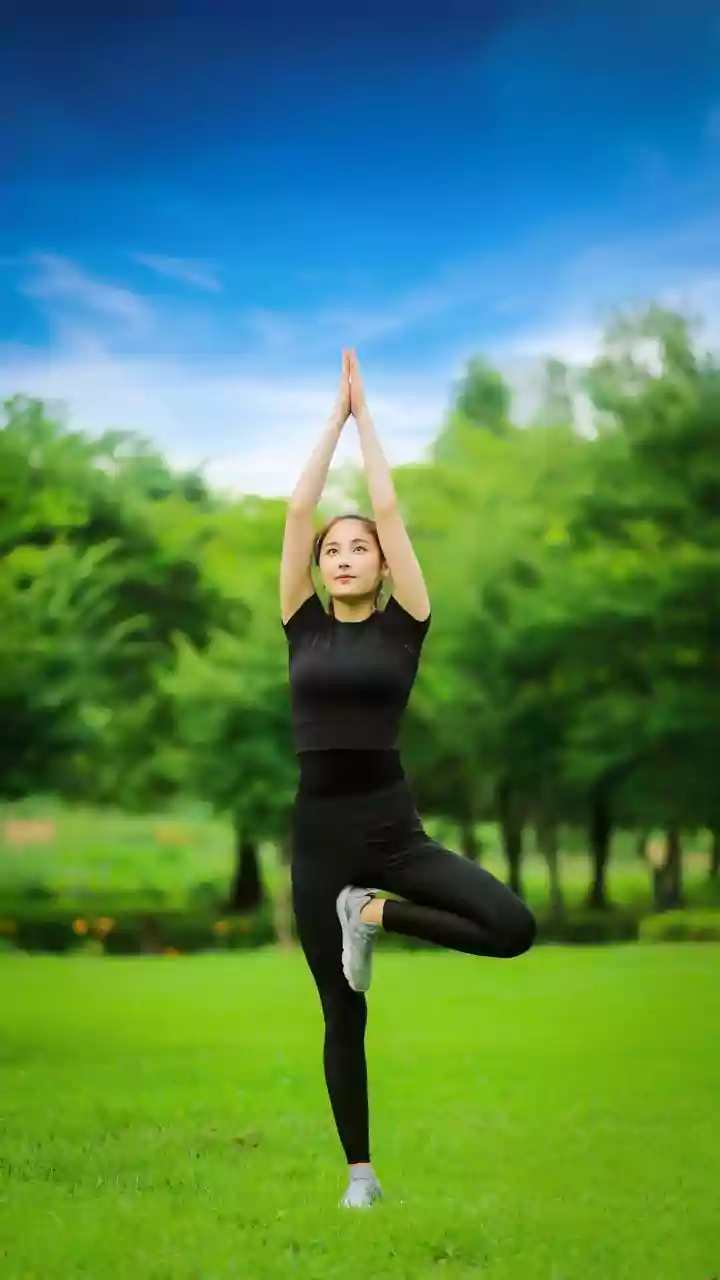
Tree Pose (Vrikshasana)
Balancing poses are excellent for improving concentration because they demand your full attention. The Tree Pose trains your mind to be patient and present, which is highly beneficial for long study sessions. Stand tall and shift your weight onto one leg. Place the sole of your other foot on your inner calf or thigh (avoiding the knee joint). Bring your hands to a prayer position at your chest. Find a fixed point in front of you to gaze at to help maintain your balance. Hold for 30 seconds, then switch sides. This pose not only builds focus but also enhances stability and confidence.
Legs-Up-The-Wall Pose (Viparita Karani)
After a long day of studying, this incredibly restorative pose can help alleviate mental and physical exhaustion. It's also great for tired legs and feet. Simply sit on the floor with one side of your body against a wall, then swing your legs up the wall as you lie back. Your body should form an 'L' shape. Rest your arms by your sides with palms facing up and allow your body to relax completely. Closing your eyes and focusing on your breath here for 5 to 10 minutes can quickly calm your nervous system and refresh your mind.
The Power of Breath: Box Breathing
You don't always need a mat to find calm. Simple breathing exercises can be done anywhere, even at your study desk. Box breathing is a powerful technique for calming anxiety. Visualize a square. Inhale slowly through your nose for a count of four. Hold your breath for a count of four. Exhale slowly through your mouth for a count of four. Hold again for a count of four. Repeating this cycle just four to six times can regulate your nervous system, lower your heart rate, and bring a sense of immediate calm and focus.