




A Monsoon Month of Rejuvenation
The return of Karkidaka Kanji is tied to Karkidakam, the final month of the Malayalam calendar, which typically falls from mid-July to mid-August. Historically, this was a challenging period of incessant rain, leading to scarcity and a pause in agricultural
work. This enforced downtime fostered a culture of introspection, spiritual practices like reading the Ramayana, and a focus on health. According to Ayurvedic principles, the monsoon season, or 'Varsha Ritu', is a time when the body's digestive fire ('Agni') is weaker and the body is more susceptible to ailments. Karkidakam is therefore considered the ideal time for rejuvenation therapies to cleanse the system and bolster immunity for the year ahead.
More Than Just a Simple Porridge
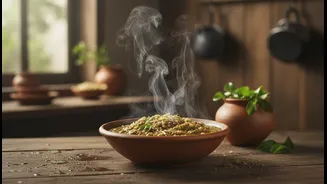
At first glance, Karkidaka Kanji, also known as Oushadha Kanji (medicinal porridge), appears to be a simple rice gruel. However, this description belies its complexity. It is a carefully formulated dish that embodies the Ayurvedic principle of 'food as medicine'. The porridge is a warm, savoury, and herbaceous meal designed to be easily digestible yet profoundly nourishing. Its purpose is to gently restore the body’s balance, support digestion, and build strength during a season when people are most vulnerable. The experience is deeply comforting, evoking the feeling of being nurtured during the cool, rainy evenings.
A Pharmacy in a Bowl
The secret to Karkidaka Kanji’s efficacy lies in its ingredients. The base is often Njavara rice, a unique, reddish-brown medicinal variety from Kerala, prized in Ayurveda for its nourishing properties and easy digestibility. This is cooked with a host of herbs and spices. While recipes vary between households, common ingredients include fenugreek, cumin, dry ginger (chukku), and coconut milk. Many preparations also include a special herbal mix known as 'Oushadha Choorna', which can contain a blend of ten or more medicinal plants ('Dashapushpam'). These ingredients are chosen for their specific properties: spices like ginger and pepper help kindle digestive fire, while herbs support immunity and help reduce inflammation associated with joint pain, which can be aggravated by the damp weather.
A Ritual for Modern Times
While rooted in ancient wisdom, the tradition of Karkidaka Kanji is very much alive today. In the past, families would forage for the necessary herbs in their own backyards. Now, the practice has adapted to modern life. Many Ayurvedic pharmacies and even supermarkets sell 'Karkidaka Kanji kits', containing pre-portioned Njavara rice and the essential dried herbs, making the preparation accessible for busy households. Restaurants and wellness resorts across Kerala also feature the kanji on their menus during this month, offering a taste of tradition to locals and visitors alike. This modern convenience ensures that the ritual continues to be passed down through generations, maintaining its relevance in a fast-paced world.