







The Great Calorie Misconception
For years, we've been told that weight management is a simple game of 'calories in, calories out'. While the energy value of food is important, not all calories are created equal. Our bodies process 200 calories of grilled chicken and dal differently
than 200 calories of a sugary beverage. The former provides protein and fibre that keep you full, while the latter can cause a sugar spike and leave you hungry for more. Focusing only on calories ignores the most important aspect of food: its nutritional quality. This shift in thinking, from calorie counting to nutrient awareness, is crucial for making genuinely healthy choices.
Embrace Nutrient Density
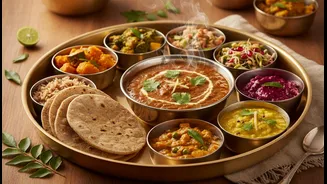
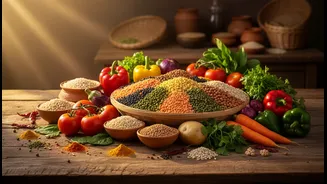
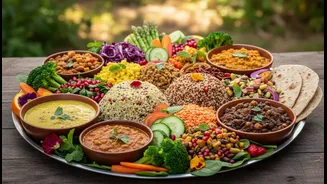
The key concept is 'nutrient density'. This refers to the amount of beneficial nutrients—like vitamins, minerals, protein, and fibre—a food contains in relation to its calorie count. A bowl of vegetable-packed sambar is nutrient-dense; it offers a wealth of vitamins and fibre for a relatively low number of calories. In contrast, a fried snack might be calorie-dense but nutrient-poor, offering little nutritional benefit. When you scan a menu, try to ask yourself not just "how many calories?" but also "what nutrients am I getting?". Choosing nutrient-dense foods is a more sustainable path to health than simply restricting calories.
The Power of Protein and Fibre
Two of the most important 'other numbers' to consider are protein and fibre. Both of these nutrients are champions of satiety, the feeling of fullness and satisfaction after a meal. A dish rich in protein (like paneer tikka, grilled fish, or a bean curry) and fibre (found in whole grains, lentils, and vegetables) will keep you feeling full for longer. This prevents overeating later and helps stabilise your energy levels. When you feel satisfied by your meal, you're less likely to crave unhealthy snacks. So, when looking at a paneer butter masala, consider that while it might have calories, the protein from the paneer is a significant benefit.
Beware Hidden Sugars and Sodium
Calories don't reveal the full picture when it comes to two major culprits in restaurant food: sodium and hidden sugars. Many seemingly healthy salads come with dressings that are loaded with sugar. Sauces, glazes, and marinades used in many Indian and Asian dishes can be high in both salt and sugar, contributing to health issues without adding significant calories. While FSSAI rules require restaurants to provide this information upon request, it's not always displayed upfront like calories are. A good rule of thumb is to ask for sauces and dressings on the side, allowing you to control how much you use.
Cooking Method Matters
The way a dish is prepared can dramatically alter its nutritional profile. Words on a menu are clues. Terms like 'fried', 'creamy', 'crispy', or 'battered' usually indicate higher fat and calorie content. Conversely, descriptions such as 'grilled', 'steamed', 'tandoori', 'baked', or 'roasted' typically point to healthier preparations that use less oil. A tandoori chicken is a far better choice than fried chicken, even if the base ingredient is the same. Don't be afraid to ask the staff how a dish is cooked; it’s a simple question that can empower a much healthier choice.
Check the Portion Size
The calorie count listed on the menu applies to a specific serving size, which is now mandatory for many Indian restaurants to declare. However, restaurant portions are often much larger than what we would serve at home. A dish listed as 600 calories might seem reasonable, but if the portion is large enough for two people, you could be consuming more than you think. A smart strategy is to share a main course or ask for a half portion if available. Another tip is to ask for a takeaway box at the beginning of your meal and pack away half for later. This helps you enjoy the dish without overindulging.