
A Return to Roots
There's a quiet revolution happening in modern Indian kitchens. Young homeowners, a demographic often associated with tech and modernity, are looking to the past for their culinary tools. They are increasingly ditching lightweight, convenient plastic
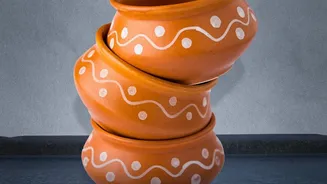
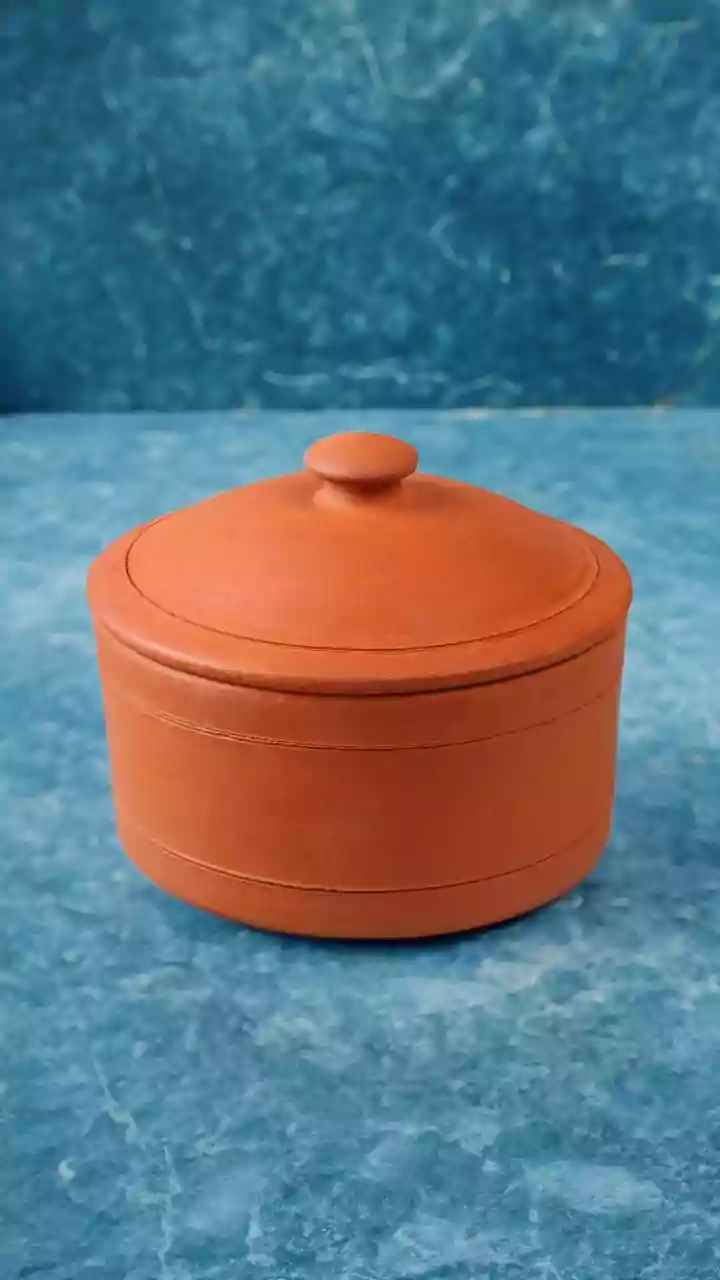
bowls and containers for something far more elemental: terracotta earthenware. This trend isn't just about rustic aesthetics; it's a conscious choice rooted in a desire for sustainability, health, and a connection to tradition. The move reflects a broader cultural shift away from mass-produced, disposable items towards durable, eco-friendly alternatives that tell a story. In a world of fleeting trends, the permanence and earthy charm of clay offer a grounding presence.
The Health Benefits of Clay
One of the primary drivers of this trend is a growing awareness of health. Unlike plastic containers, which can leach harmful chemicals like BPA and phthalates into food, especially when heated, high-quality earthenware is non-toxic and inert. Cooking in clay pots offers unique advantages. The porous nature of clay allows for slow, even cooking, which helps retain the moisture and nutrients in food. This often reduces the need for excessive oil, making meals naturally lower in fat. Furthermore, clay is alkaline, which means it can help neutralize the acidity in foods, potentially making them easier to digest. Some proponents also note that clay imparts beneficial minerals like calcium, iron, and magnesium to the food during the cooking process.
Sustainability and Style
For a generation deeply concerned with environmental impact, the contrast between plastic and terracotta is stark. Plastic kitchenware contributes to a global waste problem, taking hundreds of years to decompose and breaking down into harmful microplastics. Earthenware, sourced from the earth, is biodegradable and has a much smaller environmental footprint. Beyond its green credentials, terracotta aligns with contemporary design trends that favour natural materials, earthy tones, and artisanal objects. A beautifully crafted clay pot or serving bowl is more than just a utilitarian object; it's a statement piece that adds warmth, texture, and personality to a home, fitting perfectly with the 'slow living' and 'cottagecore' aesthetics popular among younger consumers.
The Flavourful Difference
Chefs and home cooks alike have long praised earthenware for its ability to enhance the flavour of food. The slow and even heat distribution that clay provides is ideal for simmering curries, dals, and biryanis, allowing flavours to meld and deepen in a way that metal pots often can't replicate. The porous walls of the pot circulate steam, keeping dishes moist and succulent while imparting a subtle, unique earthiness that is impossible to achieve with other materials. This return to traditional cooking methods is not just about nostalgia; it’s a rediscovery of techniques that produce richer, more aromatic, and deeply satisfying meals.
Making the Switch: What to Know
Adopting terracotta cookware requires a slight shift in habits. Before its first use, a new clay pot needs to be seasoned. This typically involves soaking it in water, sometimes for a full day, and then slowly heating it, often with water or a starch-based liquid inside. This process strengthens the pot and prepares it for cooking. When it comes to cleaning, harsh soaps and abrasive scrubbers should be avoided, as the porous clay can absorb chemicals. Instead, warm water, baking soda, and a soft brush are recommended. It's also important to avoid sudden temperature changes, such as placing a hot pot on a cold surface, to prevent cracking. While it requires a little more care, users find the benefits to be well worth the effort.