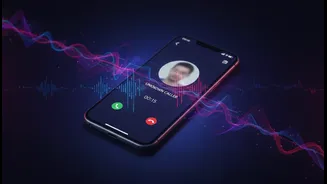

The New Voice of Fraud
Artificial intelligence voice cloning is the technology behind these hyper-realistic scams. It no longer requires extensive audio samples to create a convincing replica of someone's voice. Scammers can use just a few seconds of audio—scraped from a social
media post, a public video, or even a voicemail greeting—to generate a synthetic voice that can say anything they type. The technology has become so accessible and sophisticated that it can even be used in real-time conversations, allowing a scammer to interact with you using the cloned voice of your loved one. This isn't science fiction; it's a rapidly growing threat that turns our most trusted sense, hearing, against us.
Anatomy of the Scam
These scams, often called 'vishing' (voice phishing), are engineered to bypass your rational thought process. The script is almost always the same: urgency, secrecy, and a demand for money. The call will feature your 'loved one' in a manufactured crisis—a car accident, a kidnapping, or an arrest—desperately needing funds. The scammer then often takes over the call, posing as a police officer, lawyer, or kidnapper, and pressures you to send money immediately through untraceable methods like wire transfers, gift cards, or cryptocurrency. They will insist you don't hang up or talk to anyone else, preventing you from verifying the story.
The Psychology of Panic
There is a reason these scams work so well, and it has nothing to do with gullibility. They are designed to trigger a powerful emotional override. Hearing what you believe is a family member in distress causes a surge of panic and fear, short-circuiting your ability to think critically. This emotional hijacking is precisely what the scammers are counting on. Your instinct to protect a loved one is weaponized against you, making you act on impulse before the logical part of your brain can ask questions. The familiarity of the voice creates instant trust, disarming your natural skepticism.
Your Verification Toolkit
Since your ears can no longer be trusted, you must rely on simple, consistent habits. The most effective defense is to pause and verify. If you receive a frantic call, hang up immediately. Then, call your loved one back on a phone number you know to be theirs. Do not use a number provided by the caller. A more proactive defense is to establish a 'code word' or safe word with your family. This is a secret word or phrase that only your family members know. In a supposed emergency, you can ask for the code word. A scammer, no matter how good their AI, won't know it. Finally, ask a personal question that a stranger couldn't possibly know the answer to, like "What was the name of our first pet?" A real loved one can answer; an AI bot cannot.
Staying Safe in a New Reality
As technology evolves, so must our vigilance. Be cautious about the information you and your family share publicly online. Limiting public access to videos and audio recordings on social media can reduce the raw material available to scammers. It is also crucial to talk about this threat with your family, especially older members who may be specifically targeted by these 'grandparent scams'. In India, the government has set up portals like Sanchar Saathi and the National Cyber Crime Reporting Portal (helpline 1930) to report such fraudulent communications and financial scams. Sharing knowledge about these tactics is one of the most powerful ways to disarm them.