





Why Monsoon Disrupts Air Travel
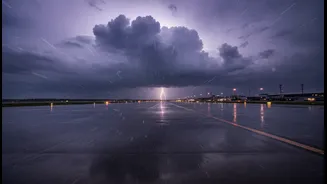
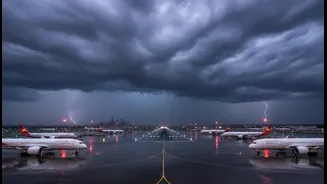
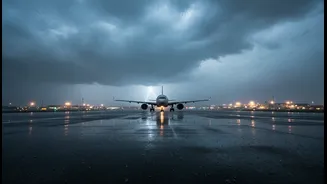
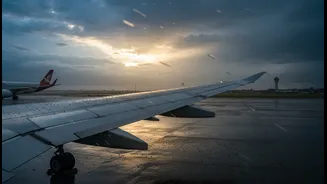
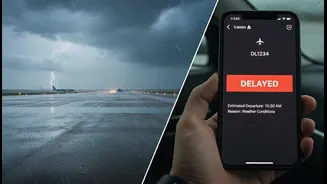
Heavy rain is the most visible culprit, but its effects on aviation are complex. At Netaji Subhas Chandra Bose International Airport, monsoon weather brings several challenges. Intense rainfall can reduce visibility, making it difficult for pilots to
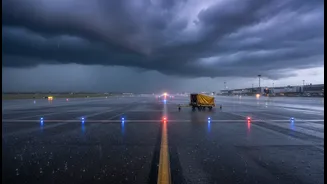
take off and land safely. Strong, gusty crosswinds can make controlling an aircraft, especially during the crucial landing phase, hazardous. Furthermore, severe downpours can lead to waterlogging on runways and taxiways, which affects braking distances and overall ground movement. These conditions force Air Traffic Control (ATC) to slow down the pace of operations, increasing the spacing between arriving and departing flights to ensure safety, which is the first domino to fall in a chain of delays.
The Science of Schedule Padding
You may have noticed that a flight from Kolkata to Delhi might be scheduled for 2 hours and 30 minutes, even though the actual flying time is closer to 2 hours. That extra 30 minutes is a 'flight buffer' or 'schedule padding'. Airlines intentionally add this extra time into their schedules to absorb minor, common disruptions. This isn't just dead time; it accounts for taxiing to and from the gate, potential ATC holds on the ground, and slight weather deviations. This buffer is a crucial tool for maintaining on-time performance. By building in this cushion, an airline can often absorb a small weather delay and still arrive close to its scheduled time, preventing a single late flight from impacting the rest of the day's network.
When a Buffer Isn't Enough
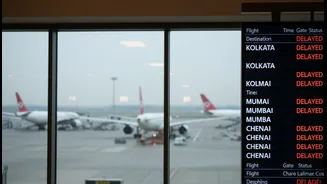
While buffers handle minor issues, severe monsoon weather can overwhelm them. A powerful thunderstorm or a prolonged period of low visibility can cause a 'ground delay program'. This is when ATC instructs airlines to hold flights at their departure airports until conditions at the destination, like Kolkata, improve. This is done to prevent the airport from getting gridlocked with planes that can't land. A single flight holding in the air or a delayed departure has a ripple effect. The aircraft might be scheduled for another flight after landing, the crew may be approaching their maximum duty hours, and the gate it was supposed to use becomes occupied. This cascade is why a brief storm can cause delays that last for hours.
Know Your Rights as a Passenger
When delays happen due to weather, it's frustrating, but it's important to know what you are entitled to. In India, heavy rain is considered a 'force majeure' event—an extraordinary circumstance beyond the airline's control. This means airlines are generally not required to pay monetary compensation for the delay itself. However, their 'duty of care' obligations still apply. According to DGCA regulations, for delays over two hours, airlines should provide you with free meals and refreshments. For very long or overnight delays, this extends to providing hotel accommodation and transport. If a flight is cancelled, the airline must offer you the choice of a full refund or an alternative flight.
How to Proactively Manage Your Journey
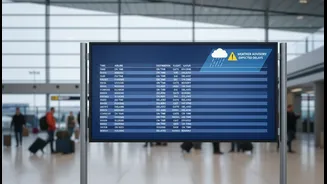
You can't control the weather, but you can control how you prepare. First, monitor the weather forecast and check your flight status before you even leave for the airport. Airlines often issue travel advisories during bad weather, sometimes allowing you to change your flight for free. Arrive at the airport with plenty of time, as check-in and security can be slower during disruptions. If a delay is announced, be polite but firm with airline staff about your entitlement to meals or other assistance. Have essentials like chargers, medications, and snacks in your hand luggage. If you travel frequently during monsoon, consider travel insurance, which may offer compensation for weather-related delays independent of the airline's obligations.