


Why Monsoon Increases Food Spoilage
The combination of warmth and high humidity during the monsoon season accelerates the growth of microorganisms like bacteria, mould, and yeast. These microbes thrive in moist environments, causing food to spoil much faster than in drier conditions. This
is especially true for cooked foods left at room temperature. The moisture in the air can be absorbed by dry foods, making them lose their crispness, while it can speed up enzymatic reactions in fruits and vegetables, leading to faster ripening and decay. Common bacteria like E. coli and Salmonella, which cause food poisoning, multiply rapidly in these conditions.
The 'Cool, Cover, Refrigerate' Rule
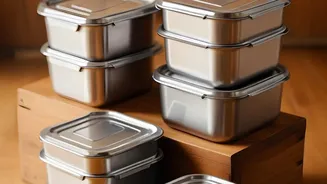
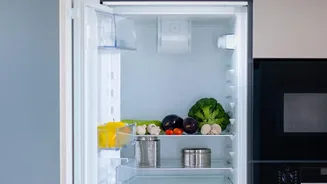
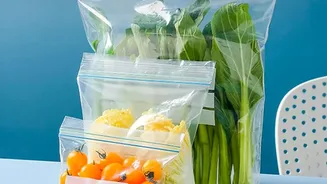
The most critical step in managing leftovers is prompt and proper storage. Never leave cooked food at room temperature for more than two hours. For the Indian climate, especially during monsoon, it's safer to refrigerate leftovers as soon as they have cooled down slightly, ideally within 20-30 minutes of cooking. To do this effectively, transfer hot food into shallow, airtight containers. This helps the food cool down faster and prevents it from absorbing excess moisture from the fridge. A clean refrigerator is also essential; wipe down interiors regularly to avoid cross-contamination. Perishable items like dairy, meat, and gravies should be refrigerated immediately.
Inspect Before You Reheat
Before you even think about reheating yesterday's meal, give it a thorough inspection. Your senses are your first line of defence. Look for any signs of mould, which can appear as fuzzy spots, or any change in colour and texture. For example, crisp items might become soggy, or gravies might develop a slimy film. Next, smell the food. If it has a sour, off, or unusual odour, it's best to discard it immediately. Bacteria can multiply to dangerous levels without always producing a bad smell, so if the food has been stored improperly or for too long (more than three days), it's safer to throw it out, even if it looks and smells fine. When in doubt, always err on the side of caution.
The Art of Safe Reheating
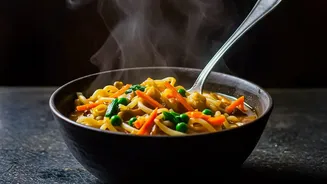
Proper reheating is not just about making the food warm; it's about killing any harmful bacteria that may have developed during storage. All leftovers should be reheated to a uniform internal temperature of 165°F (74°C). The best way to ensure this is by using a food thermometer. If you don't have one, make sure the food is steaming hot throughout. When reheating gravies, soups, or sauces, bring them to a rolling boil for at least a minute. When using a microwave, cover the food and stir it intermittently to ensure there are no cold spots where bacteria can survive. Never just warm leftovers; always reheat them thoroughly.
Foods That Need Extra Care
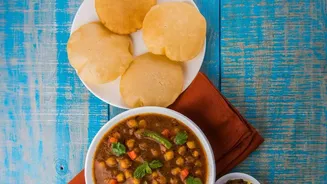
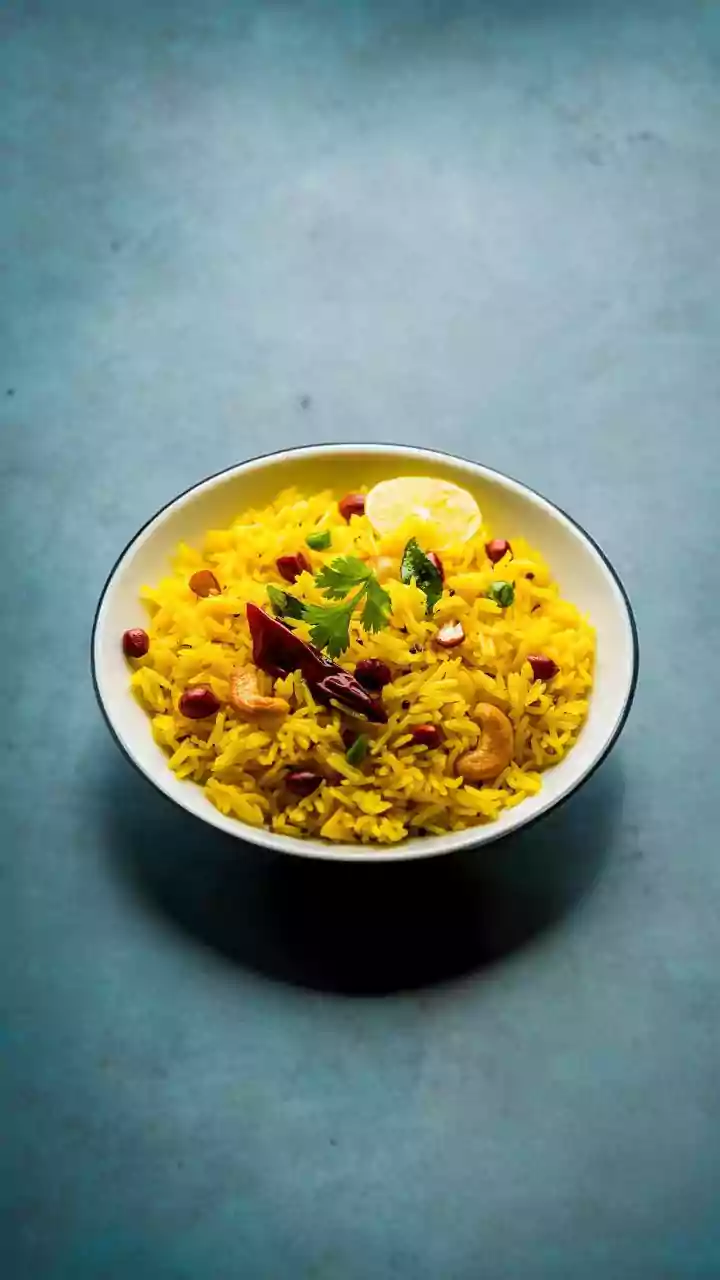
Some foods are at a higher risk of spoilage, particularly during the monsoon. Cooked rice is a primary culprit, as it can contain spores of a bacterium called Bacillus cereus that can survive initial cooking and multiply in moist, room-temperature conditions. Other high-risk foods include meat, seafood, dairy products, and anything with a high moisture content like dals and rich curries. It's also wise to be cautious with raw foods like salads and chutneys, which can easily get contaminated. It is safer to steam or lightly cook vegetables for salads rather than eating them raw during this season.