






The humble potato, a staple in countless Indian kitchens, is getting a vibrant and healthy makeover. Scientists have developed purple potatoes, not as a novelty, but as a powerful tool in the fight against malnutrition.
A New Colour on the Thali
Indian agricultural researchers
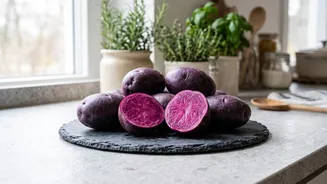
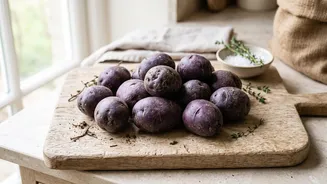
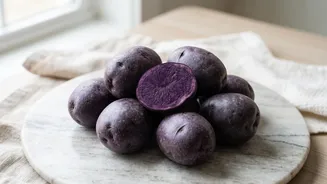
have introduced a new potato variety named 'Kufri Jamunia' which boasts deep purple skin and flesh. Developed by the ICAR-Central Potato Research Institute (CPRI) in Shimla, this isn't the first coloured potato, but it is a significant step forward. Earlier varieties like 'Kufri Neelkanth' had purple skin but cream-coloured flesh. Kufri Jamunia is purple through and through, a visual indicator of its enhanced nutritional profile. Released in 2024, it is a high-yielding variety designed to thrive in the northern plains of India, including states like Punjab, Haryana, Uttar Pradesh, and Bihar.
The Science of Biofortification
These purple potatoes are a product of biofortification, a term that might sound complex but has a simple, powerful goal. Biofortification is the process of increasing the nutritional value of crops through conventional plant breeding. Think of it as a natural upgrade. Unlike food fortification, where nutrients are added to foods like salt or flour during processing, biofortification breeds the nutrients directly into the crop itself. This makes it a sustainable and cost-effective strategy to tackle 'hidden hunger'—a condition where people get enough calories but lack essential vitamins and minerals. By enriching staple foods that people already eat, biofortification delivers better nutrition without asking consumers to change their dietary habits.
The Power of Purple
So, what makes the purple colour so special? It comes from natural pigments called anthocyanins, the same powerful antioxidants found in blueberries, jamun, and blackberries. Antioxidants are compounds that help protect our bodies from damage caused by harmful molecules called free radicals, which are linked to chronic diseases like heart disease, diabetes, and cancer. Diets rich in anthocyanins have been shown to help lower blood pressure, reduce inflammation, and improve brain health. The Kufri Jamunia variety is packed with these beneficial compounds and also contains significantly higher levels of Vitamin C, iron, and zinc compared to conventional potatoes.
A National Push for Nutrition
The development of these nutrient-dense potatoes is part of a broader national strategy. The Indian Council of Agricultural Research (ICAR) has been actively working on developing biofortified versions of several staple crops to improve the country's nutritional security. To date, ICAR has developed dozens of biofortified crop varieties, including zinc-rich wheat, protein-rich rice, and iron-rich pearl millet. This focus on enhancing the nutritional quality of food at the source is seen as a crucial step in moving from mere food security—having enough food—to comprehensive nutrition security, ensuring that the food consumed is healthy and nourishing. The government has endorsed biofortification as a key solution to address malnutrition sustainably.
From Lab to Land and Lunch
With its high yield potential of 32–35 tonnes per hectare and good storability, Kufri Jamunia is an attractive option for farmers. The variety takes about 90–100 days to mature, making it suitable for the rabi crop cycle in North India. But the ultimate test is consumer acceptance. Researchers note that its mealy texture and pleasant flavour make it versatile for various Indian dishes, from curries and parathas to soups and baked goods. While the unusual colour might take some getting used to, its creators are hopeful that growing awareness of its health benefits will make it a popular choice in households and markets across the country.