







The Curse of the Indian Sequel
For years, sequel culture in India has been a mixed bag, often leaning towards disappointment. Many follow-ups feel like marketing decisions rather than creative necessities. They reuse hit titles but fail to recapture the magic, offering recycled plots,
Flanderized characters, and a general sense of creative fatigue. Unlike franchises such as 'Baahubali' or 'KGF', which were conceived as multi-part sagas, most sequels are afterthoughts. They are born from the success of a standalone film, leading to a scramble for a new story that rarely justifies its existence. This often results in films that feel like elaborate trailers for a conclusion that never quite satisfies, leaving audiences feeling that the soul of the story has been traded for spectacle.
A Story That Demanded Continuation
The genius of 'Drishyam' was its ending. It was complete, yet it left a haunting question hanging in the air: can a perfect crime truly remain buried forever? The story of Georgekutty (in Malayalam) and Vijay Salgaonkar (in Hindi) wasn't finished just because the immediate threat was gone. The trauma, the guilt, and the constant fear of exposure were fertile ground for a continuation. 'Drishyam 2' wasn't a cash-grab; it was the logical, terrifying next chapter. It explored the psychological toll on the family years later, making the sequel feel earned. The narrative wasn't just 'what happens next?' but rather 'what does it feel like to live with what you've done?'. This organic evolution is a stark contrast to franchises where sequels are forced onto a story that had a definitive end.
It’s All About The Character
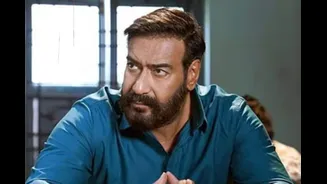
At the heart of the franchise's success is its protagonist. Georgekutty/Vijay is not a superhero. He is an ordinary man, a cable operator and cinephile, pushed to extraordinary lengths. His intelligence is his only weapon. The sequels work because they stay true to this core concept while evolving the stakes. In 'Drishyam 2', he isn't just reacting; he's been proactively planning for the day his past catches up to him. The character's cleverness is what draws the audience in, making them a willing participant in his deception. We don't just watch him execute his plan; we marvel at its intricate design. This deep dive into a single, compelling character's journey is something many ensemble-driven or plot-heavy sequels often miss.
Trusting the Audience’s Intelligence
One of the biggest triumphs of the 'Drishyam' sequels is their refusal to dumb things down. The films trust that the audience remembers the details of the previous installment and build upon that foundation. The plot twists are complex, layered, and demand attention. Writer-director Jeethu Joseph masterfully plants seemingly insignificant details that pay off in stunning ways, respecting the viewer's ability to connect the dots. While the Hindi version, 'Drishyam: The Conclusion', opted for an original story for its finale, it maintained this ethos of a gripping, satisfying narrative. This respect for the audience is a key differentiator from sequels that over-explain or reboot the core conflict, fearing viewers won't keep up.
A Blueprint For Better Sequels?
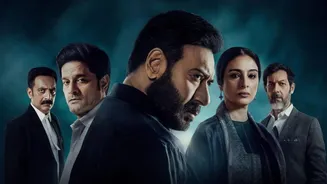
The 'Drishyam' saga, across both its Malayalam and Hindi iterations, has become a benchmark. Its critical and commercial success proves that audiences are hungry for intelligent, story-driven continuations. It demonstrates that a sequel can be more than just a brand name; it can be an expansion and deepening of a world we already love. The formula seems simple: start with a story that has more to tell, focus on compelling character evolution, and craft a narrative that challenges rather than panders to the audience. It’s a lesson that Indian cinema seems to be learning, albeit slowly. The anticipation surrounding a potential fourth film or the declared finality of the Hindi trilogy only cements its legacy.