




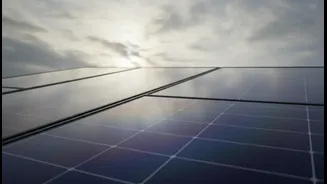


The Monsoon Power Paradox
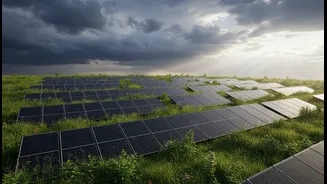
In India, the monsoon is a lifeline, but for the nation's growing solar infrastructure, it presents a significant challenge. Solar panels work by converting sunlight into electricity, and when thick clouds block the sun for days or weeks, energy production
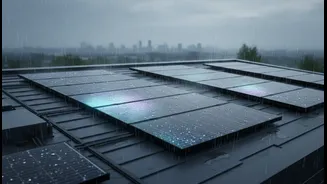
naturally falls. On heavily overcast or rainy days, a standard solar panel's output can drop to as little as 10-25% of its capacity. This creates a paradox: during a season when reliable power is crucial for homes, businesses, and infrastructure, the most promising renewable source becomes less dependable. This dip in generation, which can be around 15% or more during peak monsoon months, forces a heavier reliance on the traditional grid, undermining the goals of energy independence and sustainability. This seasonal inconsistency has been a major hurdle in making solar a true year-round solution for the country.
A New Generation of Solar Tech
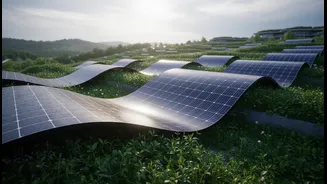
Enter high-efficiency solar sheets and panels. This isn't just one single product, but a family of advanced technologies designed to work better when the sun isn't shining brightly. Unlike traditional panels that rely heavily on direct, intense sunlight, these new solutions are optimised for low-light conditions. Key innovations include Bifacial panels, which capture sunlight from both sides of the panel, absorbing direct light from above and reflected light from the ground or rooftops below. This can boost energy generation by 5-20%. Another significant advancement is in cell technology, such as PERC (Passivated Emitter and Rear Cell) and TOPCon (Tunnel Oxide Passivated Contact), which add special layers to the solar cell to capture more light and prevent energy loss, performing more efficiently on cloudy days.
Harnessing Light Through The Clouds
The most exciting frontier is perovskite solar cells. Perovskites are a type of crystal material that can absorb a much broader spectrum of light than conventional silicon. This means they are exceptionally good at converting diffuse light—the scattered, indirect light that permeates through clouds—into electricity. While traditional panels struggle with diffuse light, perovskite cells maintain a higher relative efficiency, making them ideal for overcast climates. Some research has even shown perovskite cells reaching impressive efficiency levels under indoor lighting, highlighting their potential in any low-light environment. For a country with a long rainy season, this means solar arrays can continue to produce a more consistent and reliable stream of energy, smoothing out the dramatic drops seen with older technology.
More Than Just Keeping The Lights On
The implications of reliable monsoon-proof solar power for India are immense. It extends far beyond household electricity. Consistent energy generation means greater grid stability, reducing the strain on coal-fired power plants that currently pick up the slack. For rural and remote communities, which are often the most vulnerable to power cuts during severe weather, this technology promises unprecedented energy security. It can power agricultural equipment, cold storage for crops, and local health clinics, all of which are critical during the monsoon season. Furthermore, by increasing the power density—generating more electricity from the same amount of space—these technologies make solar viable for congested urban areas where rooftop space is limited. It’s a crucial step toward building a resilient, decentralised energy infrastructure.
The Path to Widespread Adoption
While technologies like bifacial and TOPCon panels are already commercially available in India, the widespread adoption of next-generation materials like perovskites is still on the horizon. Challenges remain, including scaling up manufacturing to bring down costs and ensuring long-term durability in harsh weather conditions. However, the progress is rapid. As these technologies mature and become more affordable, government policies and subsidies will play a critical role in accelerating their deployment. For India, investing in high-efficiency solar isn't just about meeting renewable energy targets; it's about fundamentally re-engineering the country's energy landscape to work in harmony with its climate, ensuring a bright, powered future, rain or shine.