
Why Go Eco-Friendly?
For years, the immersion of Ganesha idols has raised environmental concerns. Many commercially available idols are made from Plaster of Paris (PoP), a material that is not biodegradable and takes months, or even years, to dissolve in water. The chemical
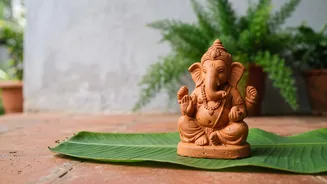
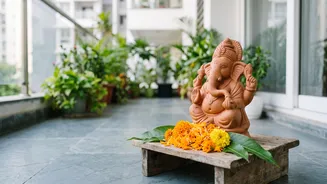
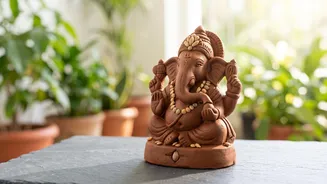
paints often used on these idols contain heavy metals like mercury and lead, which leach into water bodies, harming aquatic life and polluting our precious water sources. By choosing to make an idol from natural materials, you are returning to the festival's traditional roots, where reverence for the divine was intertwined with respect for the earth. An eco-friendly idol made of clay dissolves within hours, leaving no harmful residue and ensuring the celebration remains pure in spirit and impact.
Gathering Your Sacred Materials
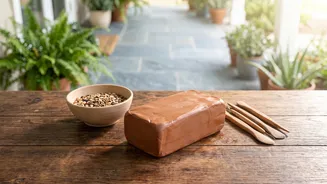
Creating your own idol is a deeply personal and rewarding process. To begin, you will need a few simple, natural materials. The most important is the clay. Shadu mati, a natural clay found on riverbanks, is the traditional and ideal choice as it dissolves easily in water. If shadu mati is unavailable, terracotta clay or even common red soil mixed with a natural binder like rice flour can be used. You will also need water, a small bowl, a flat base or board to work on, and some basic sculpting tools like toothpicks for detailing. Finally, choose your seeds. Marigold, tulsi, tomato, or even wheat seeds are excellent choices that will sprout after the visarjan (immersion).
Step 1: Preparing the Clay
The foundation of a good idol is well-prepared clay. If using dry clay powder, slowly add water and knead it thoroughly until you achieve a smooth, pliable dough. The consistency should be firm enough to hold its shape without cracking but soft enough to sculpt easily. Knead for at least 10-15 minutes to remove any air bubbles, which can cause cracks as the idol dries. Once ready, divide the clay into several portions: three large balls for the base, body, and head; four smaller, elongated pieces for the arms and legs; and a few extra small bits for the trunk, ears, and embellishments.
Step 2: Sculpting Your Ganesha
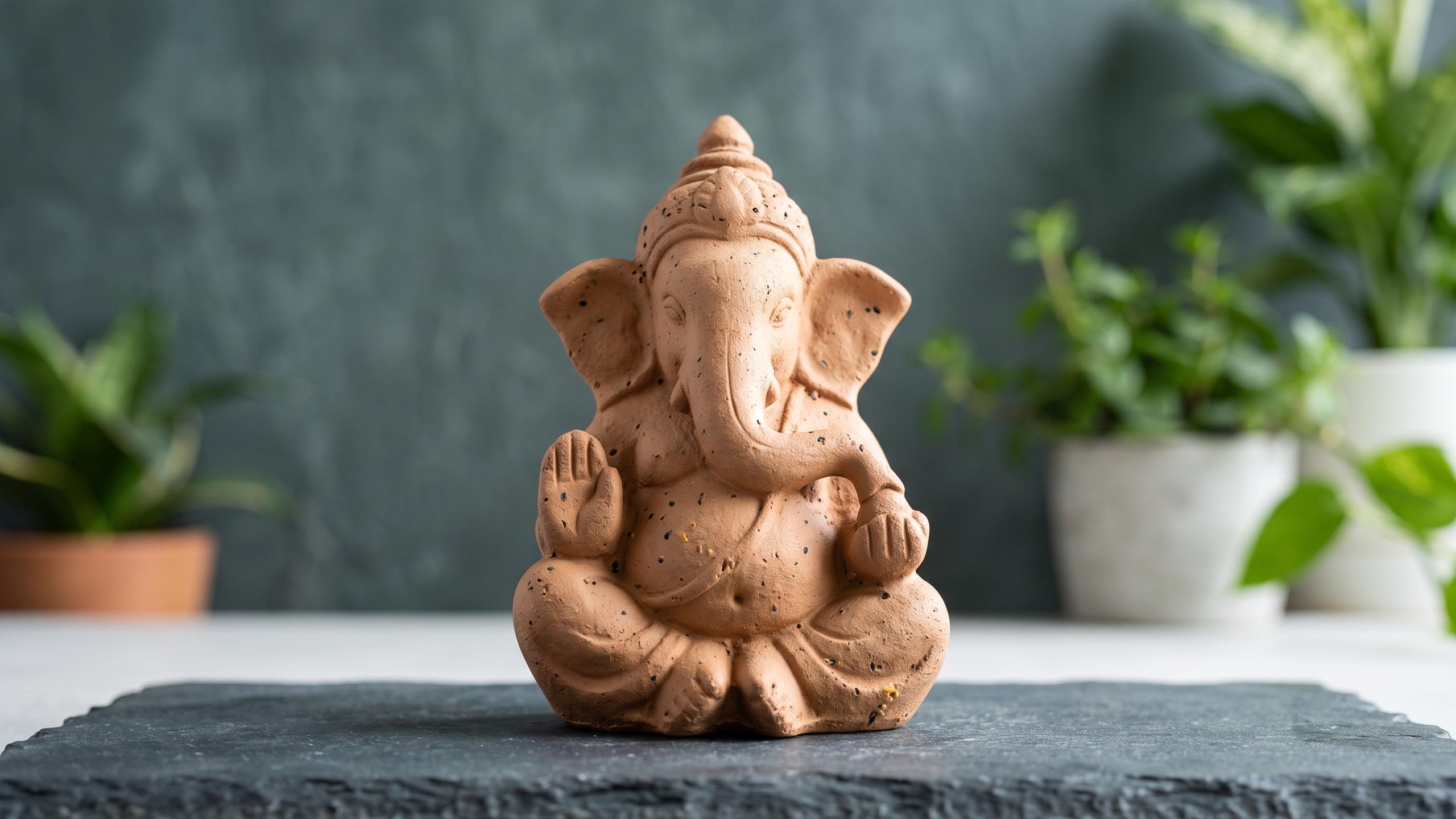
Begin by flattening one of the large clay balls to create a stable, circular base. Take the second large ball, for the body, and place it firmly on the base, using a toothpick inserted between them for extra support. Now, attach the limbs. Roll the four smaller pieces and shape them into arms and legs, bending them into a seated posture. Attach them to the body, smoothing the joints with a little water. Next, place the third large ball on top to form the head. Roll a small piece of clay into a tapered cylinder for the trunk and affix it to the face, curving it as you wish. Finally, flatten two small clay circles to create the ears and attach them to the head. Don't strive for perfection; the beauty of a handmade idol lies in its unique character.
Step 3: Embedding Seeds and Natural Decor
This is where your idol truly comes to life. Gently press the seeds you've chosen into the clay, perhaps in the idol’s belly or at its base. These seeds represent new beginnings and the cycle of life. Instead of chemical paints, turn to your kitchen for natural colours. Use turmeric for yellow, kumkum for red, and sandalwood paste for a fragrant, earthy tone. These organic pigments are not only safe for the environment but also add a traditional and divine touch. You can use toothpicks or the back of a small spoon to carve details like eyes, ornaments, and patterns on the dhoti. Allow the idol to air dry for one to two days away from direct sunlight before the puja.
Visarjan: A Return to the Earth
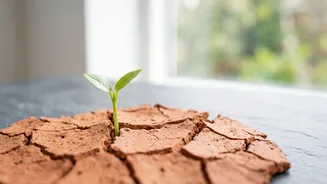
When the festival concludes, the farewell to Ganesha becomes a moment of creation. Instead of immersing the idol in a public water body, perform the visarjan at home in a bucket of water or a large pot. As the clay idol dissolves over a few hours, it will transform the water into nutrient-rich soil. This mixture, containing the seeds you embedded, can then be poured into your garden or a pot. In a few days, you will see new life sprouting, a beautiful and living blessing from the Lord of Beginnings. This act completes the cycle—from the earth, to your home, and back to the earth, leaving behind a legacy of growth and reverence.