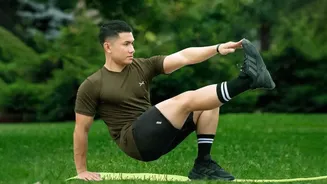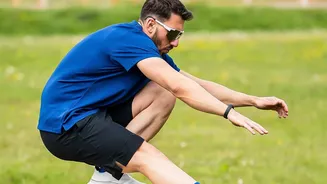







At a glance, hiking and skateboarding are both rewarding outdoor activities that get you moving. But beneath the surface, they train your body in remarkably different ways, especially when it comes to leg stability and how you shift your weight.
The Hiker's Game: Endurance and Terrain
Hiking
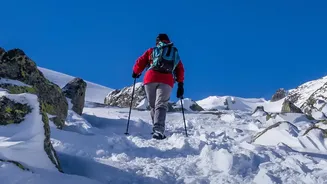
is a test of endurance and sustained effort. When you're on a trail, your body is engaged in a low-impact, long-duration activity that builds a specific kind of strength. The primary challenge comes from uneven terrain—navigating roots, rocks, and changing inclines forces your body to make constant, subtle adjustments. This activates not only major muscle groups like your quadriceps, hamstrings, and glutes, but also the smaller, often-neglected stabiliser muscles around your ankles, knees, and hips. Studies show that walking on uneven ground significantly increases muscle activity in the lower leg and thigh compared to walking on a flat surface. This is because each step requires your body to absorb shock and maintain balance unilaterally, or on one leg at a time. This process builds functional stability designed for resilience over many hours.
Weight Shifts on the Trail
A hiker's weight shift is generally slow, deliberate, and predictable. When ascending a steep hill, you lean forward, driving power through your glutes and quads. On a descent, your weight shifts back slightly as your quads work overtime to control your momentum and reduce strain on your knees. Using trekking poles can help offload some of this pressure and further stabilise your movements. The core is constantly engaged to keep your torso steady over your centre of gravity. This kind of balance is deeply connected to proprioception—your body's innate sense of its position in space. Your feet and ankles 'read' the ground, sending signals to your brain to make micro-adjustments that prevent falls and maintain a steady rhythm.
The Skateboarder's World: Reactive and Explosive
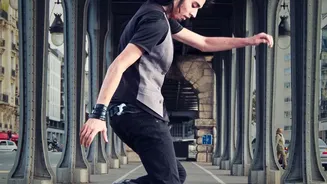
Skateboarding operates on a completely different principle: dynamic, reactive balance on an unstable surface. While hiking builds endurance strength, skateboarding thrives on explosive, short-bursts of power. Pushing off the ground engages your quads, glutes, and calves in a quick, powerful motion. But the real work happens in the tiny, constant adjustments your body makes to stay on the moving board. This requires immense engagement from your ankles and core, which are perpetually firing to maintain control. The muscles involved are not just for power but for agility, allowing a rider to shift from a coasting pace to a sudden trick, which involves squatting, jumping, and landing in a matter of seconds.
Weight Shifts on the Board
Weight shifts in skateboarding are rapid, precise, and the primary method for steering and performing tricks. To turn, a skater leans on their heels or toes, causing the board to tilt and carve. Even a simple trick like a manual—balancing on the back two wheels—is an exercise in subtle weight distribution, where keeping your shoulders centred over the board is key to finding the balance point. Unlike the deliberate forward or backward lean of a hiker, a skateboarder's weight shifts are often lateral and rotational. This develops an acute form of reactive stability, where the body learns to respond instantly to the board's movement. This constant state of adjustment and quick decision-making sharpens reflexes and coordination in a way that sustained, rhythmic movement does not.
Two Sides of Stability
Ultimately, the two activities cultivate different forms of physical intelligence. Hiking builds endurance-based stability. It trains your body to handle sustained effort and unpredictable surfaces over long periods, strengthening the muscles and joints for resilience and stamina. It's a marathon of micro-adjustments. Skateboarding, in contrast, builds reactive, dynamic stability. It conditions your body for rapid changes, explosive movements, and maintaining balance on a constantly moving platform. It’s a sprint of constant, immediate feedback and correction. A hiker’s stability is about methodical control over varied but static ground, while a skater’s is about mastering control over an object in motion.