


The Balcony's Humidity Trap
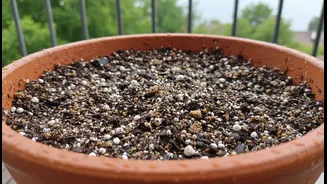
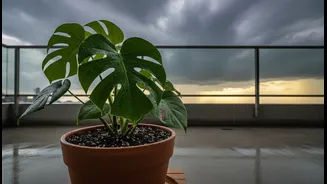
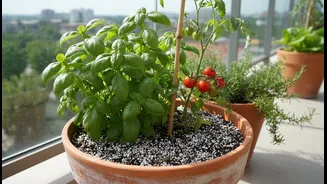
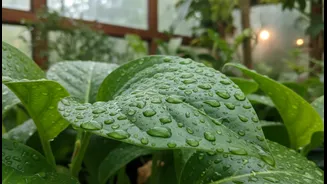
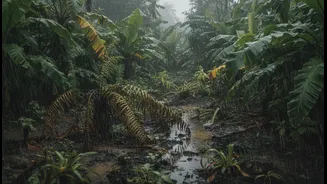
Balconies can create a unique microclimate. While the increased light is often beneficial, the combination of limited air circulation and high ambient moisture turns your pots into humidity traps. During India's monsoon season, rainwater combined with
intense humidity means the soil in your pots may never get a chance to dry out. Standard potting mixes, which are designed to retain water for indoor environments, become a plant's worst enemy. This constant dampness creates an ideal environment for the number one killer of potted plants: root rot.
Why Root Rot Thrives in Wet Soil
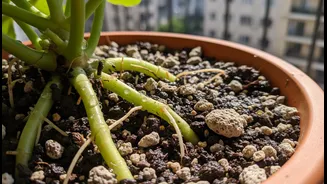
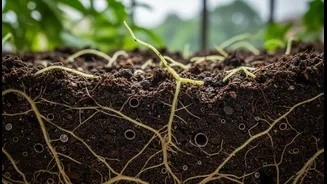
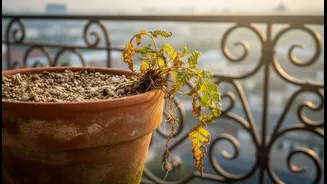
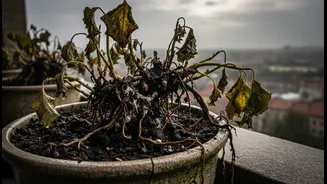
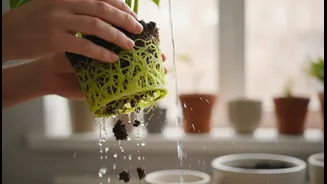
Plant roots need oxygen to survive, which they get from air pockets in the soil. When soil becomes waterlogged, these pockets fill with water, effectively suffocating the roots. This oxygen-deprived environment invites fungal diseases, leading to what we know as root rot. The roots turn brown and mushy, losing their ability to absorb water and nutrients, even though they are sitting in water. Paradoxically, a plant suffering from root rot can look like it's thirsty, with wilting, yellowing leaves.
Enter Sand: The Drainage Champion
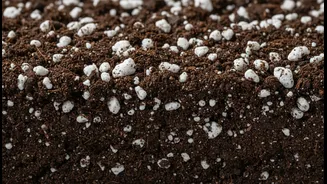
This is where a high-drainage soil mix becomes essential, and sand is a key player. Incorporating sand into your potting mix fundamentally changes its structure. The larger, coarser particles of sand create more space between the finer particles of soil and compost. These spaces, or pores, allow excess water to drain away quickly, preventing the soil from becoming a soggy mess. This improved aeration not only prevents root suffocation but also creates a less hospitable environment for fungus.
Not All Sand Is Created Equal
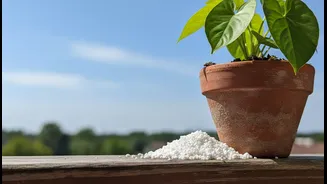
Before you head to the nearest beach, it's crucial to know that the type of sand matters. Fine sand, like play sand or beach sand, can have the opposite of the intended effect. Its tiny particles can fill in the air gaps in your soil, creating a dense, concrete-like mixture that drains even more poorly. What you need is coarse sand, often sold as horticultural sand, builder's sand, or river sand. This type has larger, more irregularly shaped grains that ensure those vital air and water channels remain open. Always look for washed river or construction sand to avoid unwanted salts and impurities.
Crafting the Perfect Balcony Mix
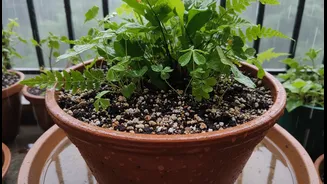
Creating your own high-drainage mix is simple. A good starting ratio for most leafy tropical plants moving to a humid balcony is one part potting soil, one part coarse sand, and one part compost. For plants that are particularly sensitive to wet conditions, like succulents or cacti, you can increase the proportion of sand. A popular general recipe is: 1 part garden soil, 1 part coarse river sand, and 1 part compost or coco peat. Thoroughly combine the ingredients before potting your plant to ensure even distribution and drainage.
Sand Alternatives and Other Tips
If coarse sand is hard to find, other materials can achieve similar results. Perlite, a lightweight volcanic glass, is excellent for adding aeration. Pumice, another volcanic rock, serves a similar purpose and adds a bit of weight, which can be useful for preventing top-heavy plants from tipping over. You can also use small orchid bark or coco chips to create a chunkier, airier mix. Regardless of your soil mix, always ensure your pots have adequate drainage holes. Without them, even the best soil in the world can't prevent water from pooling at the bottom and causing rot.