





The Fantasy on the Front
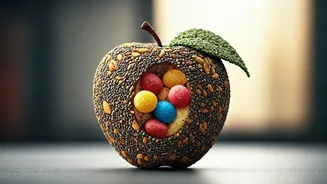
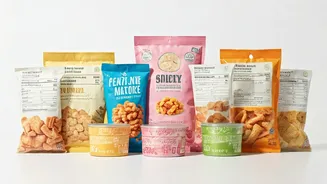
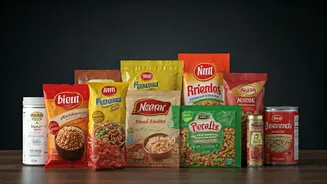
Food packaging is designed to grab your attention and make you feel good about your purchase. Marketers use buzzwords that sound healthy, but often have loose or unregulated definitions. For example, a claim like "Made with Real Fruit" might be technically
true, but the product could contain only a tiny amount of fruit concentrate, with sugar being the main ingredient. Similarly, "multigrain" doesn't automatically mean a product is made from whole grains; it could be mostly refined flour (maida) with a few other grains mixed in. Terms like "natural" can be applied even to junk food high in sugar and salt, as long as it doesn't contain artificial or synthetic ingredients. These front-of-pack claims are marketing, not a reliable nutritional guide.
The Truth Is on the Back
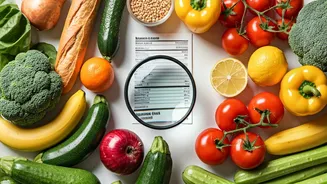
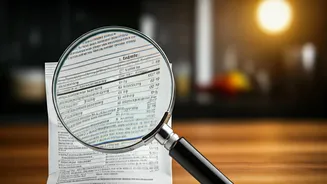
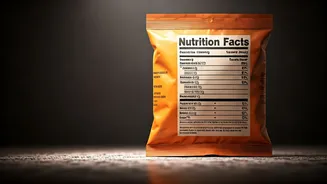
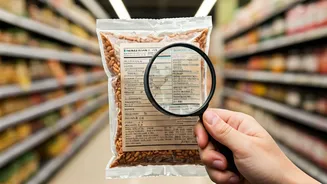
The most powerful tools you have as a consumer are the Nutrition Information Panel and the ingredients list. In India, the Food Safety and Standards Authority of India (FSSAI) mandates that this information be available on packaged foods, providing a standardised way to see what's really inside. This is where you move beyond the marketing and get to the facts. Learning to spend 30 seconds reading the back of the pack is more valuable than any claim made on the front. It allows you to make an informed choice based on the actual composition of the food, not just its advertised persona.
First, Check the Serving Size
Before you look at calories or sugar, find the serving size. This is often the most misleading part of a label. Manufacturers frequently list an unrealistically small serving size, knowing most people will consume much more in one sitting. A packet of biscuits might list the nutrition for just three biscuits, but you might eat six with your tea. To understand your actual intake, you must multiply the calories, sugar, and fat by the number of servings you realistically consume. Always check the serving size first to put the rest of the numbers in proper context.
Decoding the Ingredients List
The ingredients list is your single most important source of truth. Ingredients are listed in descending order by weight, meaning the first few ingredients make up the majority of the product. A good rule of thumb is to scan the first three. If you see sugar (or its many aliases like high-fructose corn syrup, dextrose, or maltose), refined flour (maida), or hydrogenated oils at the top of the list, you should be cautious. Healthier products will list whole foods like whole grains, nuts, or oats first. A very long list of ingredients you can't pronounce is also a red flag for a highly processed product.
Key Numbers to Watch
After checking the ingredients, scan the nutrition panel for a few key numbers. Focus on "Total Sugars" or "Carbohydrates of which sugars." Ideally, a snack should have less than 8-10 grams of sugar per serving. Also, look for unhealthy fats. Scan the ingredients for terms like "partially hydrogenated oil," which indicates the presence of trans fats, even if the panel claims "zero trans fat" (as regulations may allow this claim for amounts under a certain threshold). Finally, check the sodium content. Comparing the "per 100g" column across different products is the best way to see which snack is genuinely lower in sugar, salt, and unhealthy fats.