
The Vinegar Method: Quick, Crisp, and Tangy
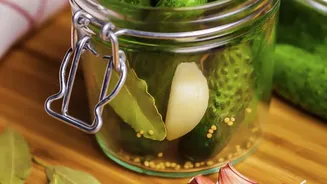
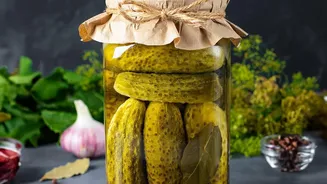
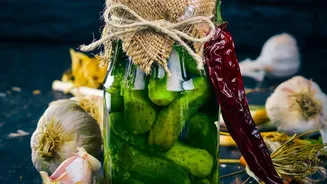
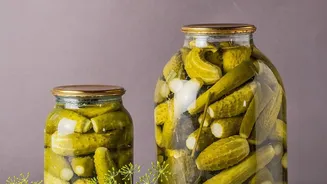
This is often what people think of when they hear 'pickle'. The vinegar-based method, also known as quick pickling or fresh-pack pickling, is the fastest and most straightforward way to preserve vegetables. The process involves creating a brine of vinegar,
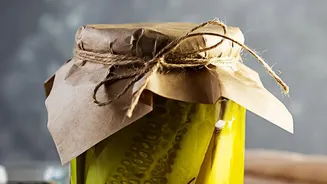
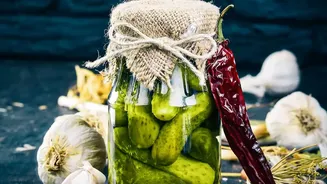
water, salt, and sometimes sugar, which is brought to a boil and poured over fresh vegetables packed into a jar. The high acidity of the vinegar is what preserves the food, preventing the growth of spoilage-causing microbes. These pickles are not fermented. They are typically stored in the refrigerator and are best eaten within a few weeks to a month. The flavour is sharp, acidic, and reflects the spices you add to the brine, like dill, garlic, or peppercorns. This method is perfect for beginners and works beautifully with sturdy vegetables like cucumbers, carrots, radishes, onions, and bell peppers.
The Salt Method: Complex, Funky, and Fermented
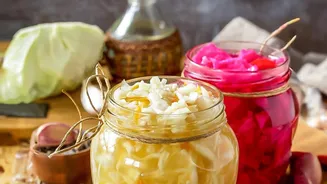
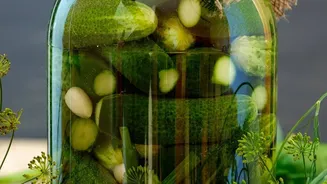
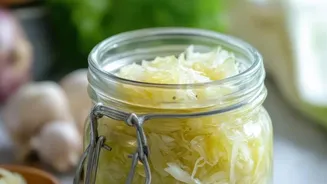
Salt-based pickling is an ancient preservation technique that creates complex flavours through natural fermentation. This process, called lacto-fermentation, doesn't use vinegar. Instead, vegetables are submerged in a salt-water brine. The salt inhibits harmful bacteria while allowing beneficial Lactobacillus bacteria to thrive. These good bacteria convert the natural sugars in the vegetables into lactic acid, which acts as a natural preservative and gives fermented pickles their characteristic sour, tangy, and deeply complex flavour. Unlike vinegar pickles, these are living foods rich in probiotics. The process takes longer, from several days to weeks at room temperature, before being moved to cold storage. This method is responsible for traditional foods like sauerkraut, kimchi, and classic dill pickles. Use non-iodized salt and chlorine-free water for best results.
The Oil Method: Rich and Aromatic
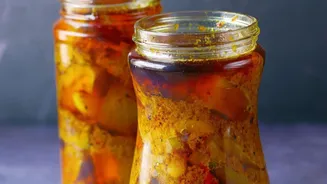
Common in Indian ('achaar') and Mediterranean cuisines, oil-based pickling uses oil as the primary preservative. The oil creates an airtight barrier, sealing the food off from oxygen and moisture that cause spoilage. This method is not about fermentation or high acidity; it's about preservation through isolation. Often, the vegetables—like eggplant, peppers, mushrooms, or sun-dried tomatoes—are pre-cooked, salted, or dried to reduce their water content before being submerged in oil. Spices play a huge role, infusing the oil and the vegetables with rich, aromatic flavours. Safety is critical with this method. To prevent the risk of botulism, a serious concern with low-acid foods in an oxygen-free environment, vegetables should be properly acidified before being covered in oil. This can be done by soaking them in vinegar overnight. Once prepared, these pickles are best stored in the refrigerator.
Which Method Should You Choose?
Choosing the right pickling method depends on your desired outcome, the time you have, and the ingredients on hand. For a quick, tangy, and crisp result that's ready in a day, vinegar pickling is your best bet. It's ideal for adding a bright, acidic crunch to sandwiches and salads. If you're interested in complex, sour flavours and the health benefits of probiotics, and you have a week or more to spare, dive into the world of salt-based lacto-fermentation. The resulting pickles are a flavour powerhouse with a unique, satisfying funk. For a rich, tender pickle that's more of a condiment or side dish, and you want to preserve items in a flavourful, spice-infused medium, the oil method is an excellent choice, provided you follow safety precautions diligently. Each technique offers a unique way to transform simple vegetables into something truly special.