







The New 'Glocal' Palate
For years, the modern Indian café was a portal to the West. The goal was authenticity, which often meant importing everything from sourdough flour to Italian cheese and Hass avocados. But a significant shift is underway. Chefs and café owners are now
looking inwards, celebrating India's vast agricultural diversity. This 'glocal' approach—thinking globally, acting locally—marries international formats with distinctly Indian produce. The result is a menu that feels both familiar and excitingly new. Instead of just copying global trends, these establishments are creating a new culinary language, one that speaks of both international finesse and Indian soul.
Meet the New Menu Stars
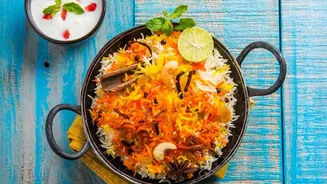
So, what does this look like on your plate? Ancient grains like millets (jowar, bajra, ragi) are having a major moment. Once considered humble food, they are now being transformed into everything from millet risotto and ragi brownies to fluffy pancakes and gluten-free pizza crusts. Unripe jackfruit, with its meaty texture, is being used as a plant-based filling for burgers, tacos, and even biryani. Indigenous ingredients like the tangy kokum, fragrant Gondhoraj lemons, and sweet mahua flowers are finding their way into cocktails, desserts, and dressings. Even regional specialties like Bandel cheese from West Bengal are replacing ricotta in pasta dishes, showcasing a newfound pride in local artisanal products.
Why Is This Happening Now?
Several factors are driving this change. Firstly, there's a growing consciousness around sustainability and health. Sourcing locally reduces the carbon footprint associated with food miles and supports regional farmers and small producers. Diners are also more aware of what they eat, seeking out nutritious, whole foods over processed ones. Millets, for example, are naturally gluten-free and have a low glycemic index, making them a popular choice for the health-conscious. Secondly, there is a clear economic advantage. Importing specialty ingredients is expensive and subject to supply chain disruptions. Using local produce is more cost-effective and reliable. Finally, it’s about identity. As India’s food scene matures, chefs are more confident in their ability to innovate with Indian ingredients rather than just replicate foreign dishes. They are telling stories with their food, connecting diners to the land and its heritage.
A Deeper Connection to Food
The farm-to-table movement is no longer a niche concept confined to fine-dining restaurants; it's a philosophy that is trickling down to the more accessible café space. This trend is about more than just taste; it's about transparency and connection. Café-goers today want to know the story behind their food—where the vegetables were grown, who made the cheese, and why a particular grain was chosen. By highlighting local ingredients, cafes are fostering a deeper appreciation for India's culinary traditions and the people who uphold them. This shift from anonymous ingredients to produce with provenance makes the dining experience richer and more meaningful for a new generation of consumers who value authenticity.