





Dwarka’s Mythical Underwater Kingdom
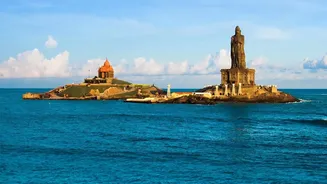
Off the coast of Gujarat, the legendary city of Dwarka, long believed to be the ancient kingdom of Lord Krishna, is being reborn as a pioneering tourist destination. An ambitious project is underway to launch a passenger submarine service, allowing visitors
to descend 100 metres below the sea. The submarine, designed to carry around 30 passengers, will offer a window into the rich marine life around the island of Bet Dwarka. This futuristic experience runs parallel to the serious work of the Archaeological Survey of India, which is conducting extensive underwater excavations to study the submerged stone structures and artifacts found here. This unique combination of mythological reverence and modern exploration offers travellers a chance to connect with a foundational story of Indian culture while witnessing a vibrant aquatic ecosystem.
Goa’s Thriving Shipwreck Sanctuaries
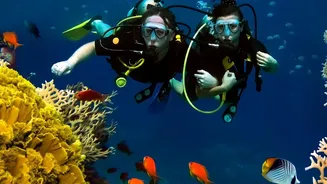
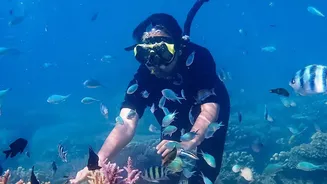
While Goa is famous for its vibrant nightlife and golden sands, its underwater world holds treasures of a different kind. The state has become a premier destination for wreck diving, attracting both novice and experienced divers. The star attraction is Suzy's Wreck, the remains of a British cargo ship named SS Rita that sank in the 1930s near Grand Island. What was once a maritime tragedy has transformed over decades into a spectacular artificial reef. The metal structure is now draped in soft corals and has become a bustling metropolis for marine life, including angelfish, barracudas, moray eels, and schools of bannerfish. Accessible and lying in relatively shallow water, it offers an easy yet profound introduction to wreck diving, turning a piece of history into a living, breathing aquarium.
The Rise of Purpose-Built Underwater Museums
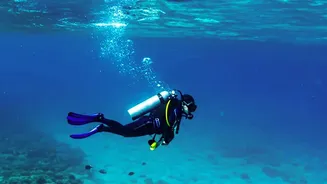
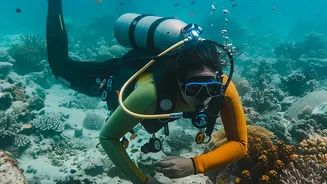
Beyond historical accidents, India is now deliberately creating underwater attractions that merge tourism with marine conservation. A notable example is the project in Sindhudurg, Maharashtra, where the decommissioned warship INS Guldar is being transformed into the country's first underwater museum and artificial coral reef. The vessel will be scuttled to create a new habitat for marine organisms, providing a fascinating site for scuba divers while actively helping to restore the local ecosystem. This follows earlier pioneering efforts off the coast of Puducherry, where a decommissioned naval ship, INS Cuddalore, was slated to become an underwater museum, and where man-made artificial reefs have already successfully regenerated marine biodiversity and created popular dive sites. These initiatives represent a forward-thinking approach, creating sustainable attractions that give back to the environment.
Adding to Nature’s Masterpieces
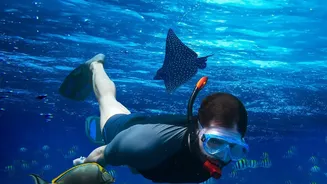
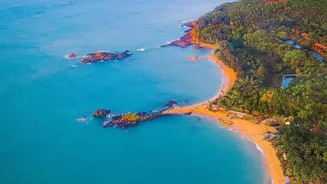
These new man-made marvels don't stand in isolation; they complement India’s already spectacular natural underwater landscapes. The Andaman and Nicobar Islands remain the country's crown jewel for diving, a paradise of crystal-clear waters, pristine coral gardens, and encounters with majestic creatures like manta rays and sea turtles. Similarly, the remote Lakshadweep archipelago offers untouched atolls and a dazzling array of marine biodiversity for those willing to make the journey. These destinations have long set the standard for underwater exploration in India. The new attractions in Gujarat, Goa, and Maharashtra are not replacing them but rather diversifying the country's offerings, making underwater adventure more accessible and providing new narratives that blend culture, history, and conservation.