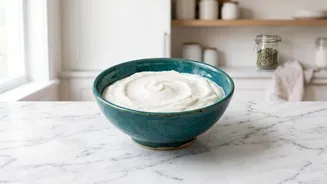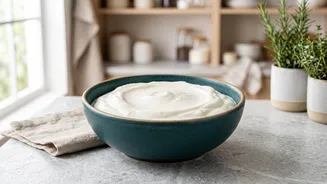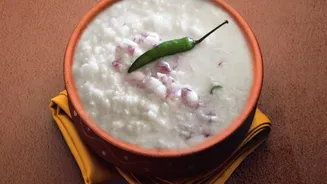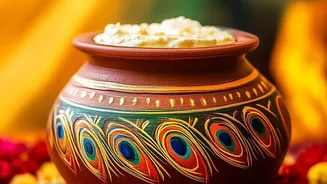

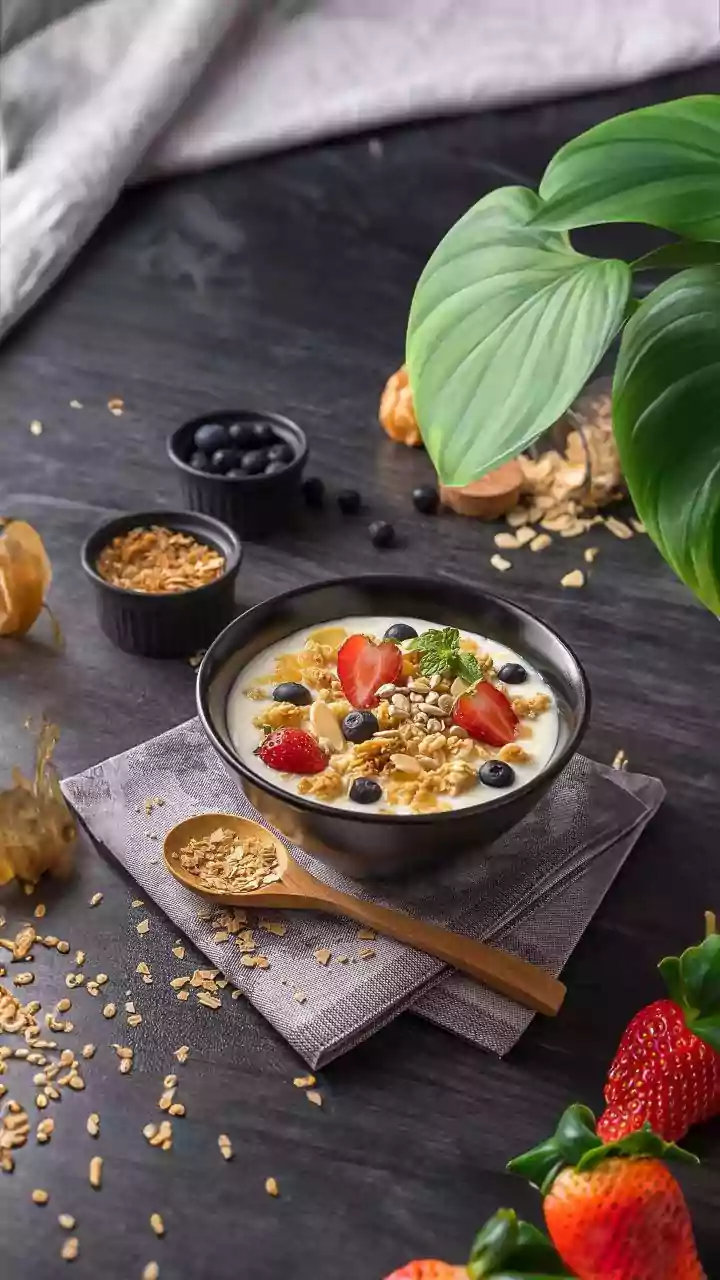
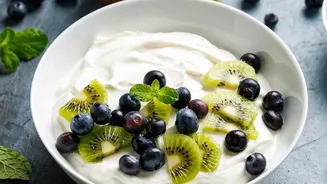
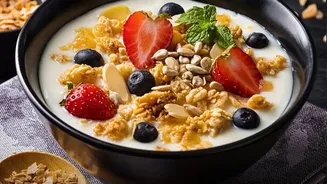
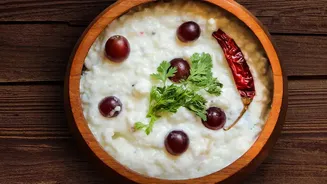
As winter settles in, a familiar warning echoes in many Indian homes: 'Stay away from curd, you'll catch a cold'. This age-old belief has made dahi a debatable food during colder months. But is it a myth or a fact? Let's find out.
The Wintry Worry: A Generational Belief
The core belief passed
down through generations is that curd, or dahi, has a 'cooling' effect on the body. This has led many to assume that consuming it in winter can lead to health issues like colds, coughs, and an increase in mucus production. This idea is so deeply ingrained that for many, putting curd aside from December to February is an unquestioned health practice. The concern is particularly strong for children and the elderly, who are often advised to avoid it completely to ward off seasonal illnesses. This traditional wisdom is primarily based on the observation that cold-temperature foods might aggravate throat sensitivity.
The Ayurvedic Angle: Timing is Everything
Ayurveda offers a nuanced perspective. According to some Ayurvedic principles, curd can increase the 'Kapha dosha' in the body, which is associated with mucus and congestion. This is why it's often advised to avoid curd at night, especially during winter, as it is believed to increase secretion from glands. However, some Ayurvedic texts also state that curd is 'ushna' or warm in nature and is actually recommended during winter to maintain body warmth and support digestion, which is naturally stronger in this season. The consensus in Ayurveda is not to ban curd entirely, but to be mindful of when and how it's consumed, strongly advising against eating it at night or when it's cold.
Modern Science: A Gut-Friendly Powerhouse
From a nutritional science standpoint, curd is a superfood that should be part of a year-round diet. It is packed with essential nutrients, including high-quality protein, calcium, phosphorus, and vitamins B2 and B12. More importantly, curd is a rich source of probiotics, the beneficial bacteria that are crucial for maintaining a healthy gut. A healthy gut microbiome is the foundation of a strong immune system, which is exactly what you need to fight off winter infections. In fact, scientific studies suggest that probiotic-rich fermented dairy products may help reduce the risk and duration of respiratory infections, not cause them.
Debunking the Myth: Curd Doesn't Cause Colds
Let’s be clear: colds and coughs are caused by viruses, not by eating a specific food. There is no scientific evidence that directly links the consumption of curd to catching a cold. While some individuals who are already prone to respiratory issues might feel an increase in mucus sensation after consuming dairy, this is an individual response and not the curd causing an infection. For the vast majority of people, eating curd during winter is perfectly safe and, in fact, beneficial for their immunity.
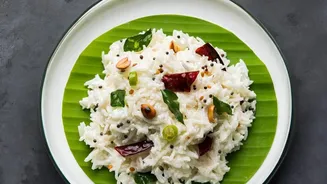
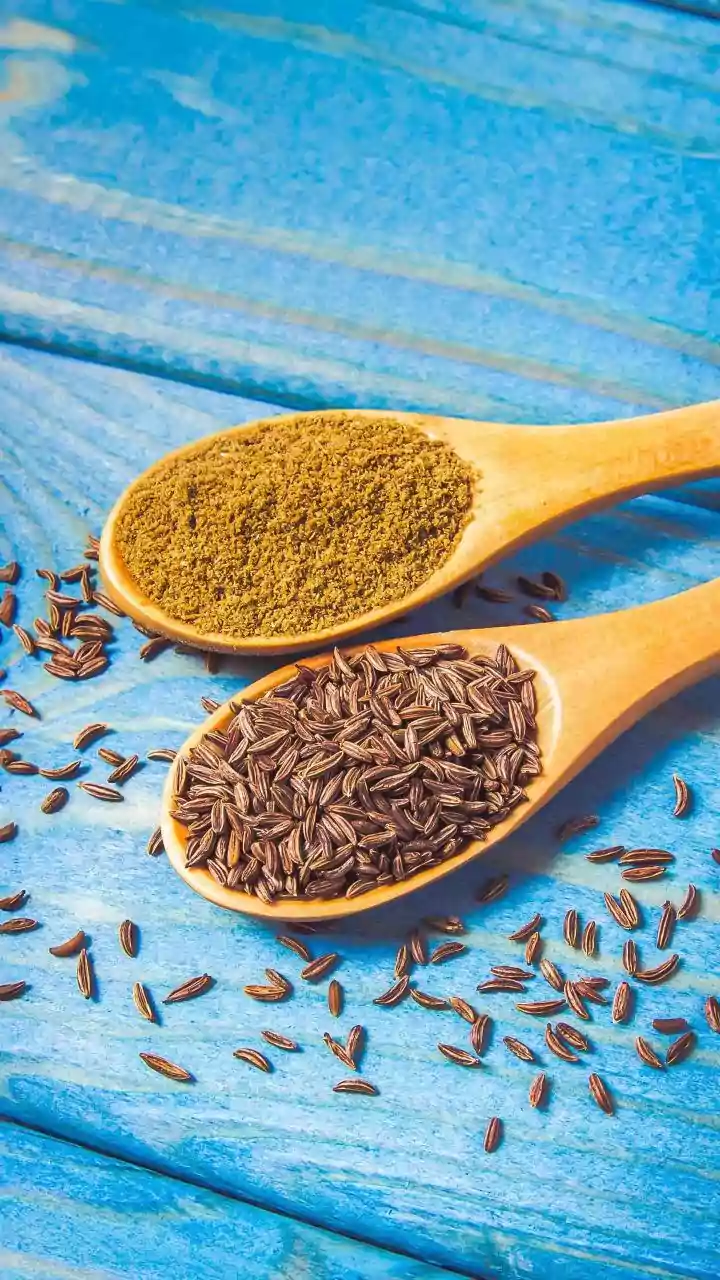
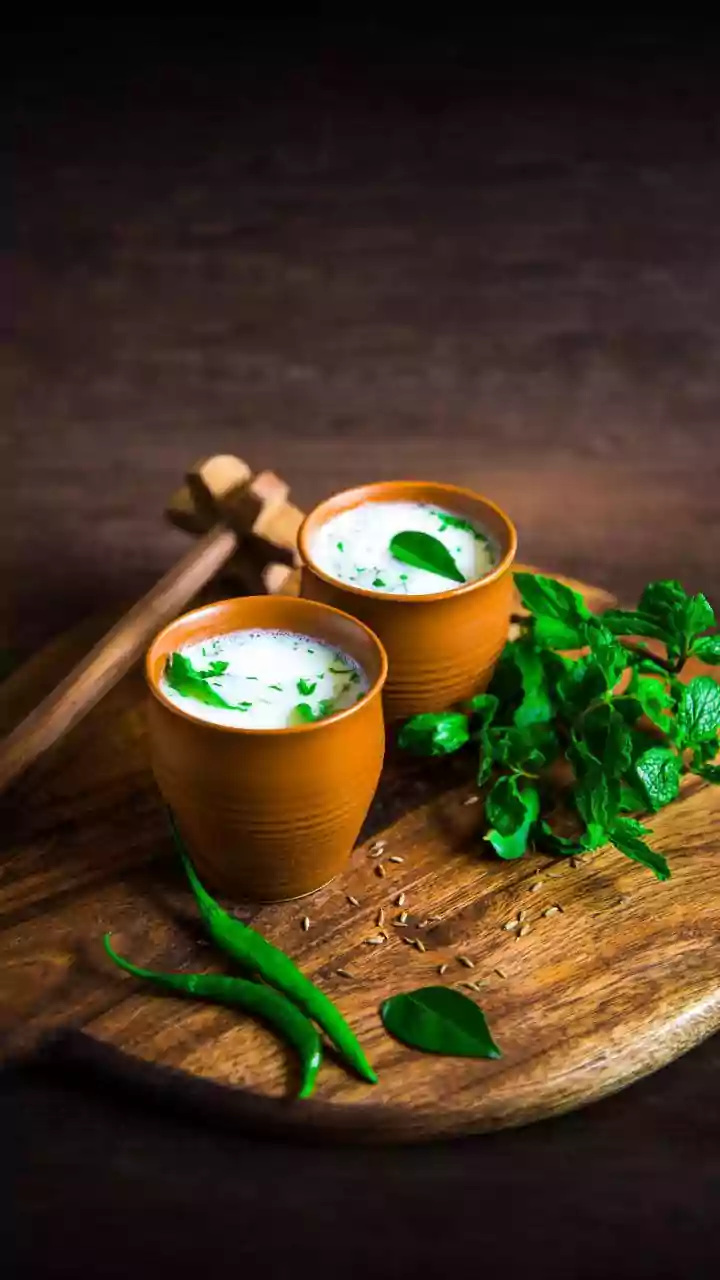
You don't have to give up your favourite dahi this winter. By following a few simple tips, you can enjoy its benefits without any worry. First, avoid eating curd straight out of the refrigerator. Let it come to room temperature before consumption to prevent any throat irritation. The best time to have it is during the day, preferably with your lunch. Avoid it late at night, as per both traditional and some expert advice. To balance its perceived cooling nature, you can add warming spices like roasted cumin (jeera) powder, black pepper, or a little ginger. You can also incorporate it into warm dishes, like a comforting bowl of curd rice seasoned with spices or use it as a base for creamy sauces and dips.