






Beyond the Checklist: What is an Experience-First Holiday?
An experience-first holiday is a shift in travel philosophy. Instead of asking, "What landmarks can I see?", the question becomes, "What do I want to feel or learn?". It prioritises immersive and authentic moments over simply visiting a place. This could
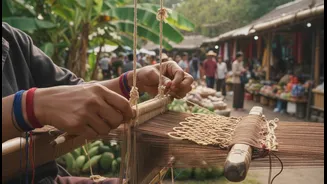
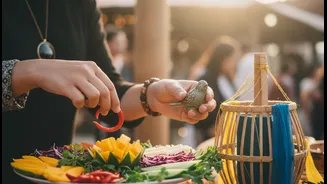
mean learning to cook traditional dishes from a local family in a Vietnamese village, participating in a craft workshop in Jaipur, or joining a guided nature walk with a conservationist in Thailand. The focus moves from a packed itinerary of famous attractions to a handful of meaningful activities that allow you to connect with the culture, people, and environment on a deeper level. Younger travellers, in particular, are driving this trend, seeking personal growth and genuine connection rather than just a photo opportunity. It's about trading a rushed, passive tour for an active, engaging adventure.
Spending Smarter, Not More
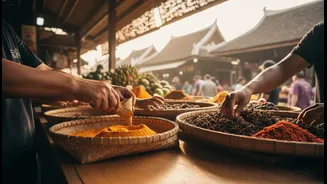
A common misconception is that a richer experience must come with a higher price tag. However, an experience-led approach can often be more budget-friendly. The key is reallocation. Instead of spending heavily on multiple entry fees for crowded tourist traps, that money can be directed towards a single, more impactful activity, like a multi-day trek or a specialised cooking class. Adopting a 'slow travel' mindset, where you stay longer in fewer places, also cuts down on transportation costs and often allows you to access weekly or monthly discounts on accommodation. Eating at local markets and street stalls, where residents eat, is not only more authentic but also significantly cheaper than dining in tourist-focused restaurants. By choosing homestays or locally-owned guesthouses, travellers can save money while directly supporting the local economy. It's about prioritising the quality of your experiences over the quantity of things you see.
Curing Itinerary Overload with ‘Slow Travel’
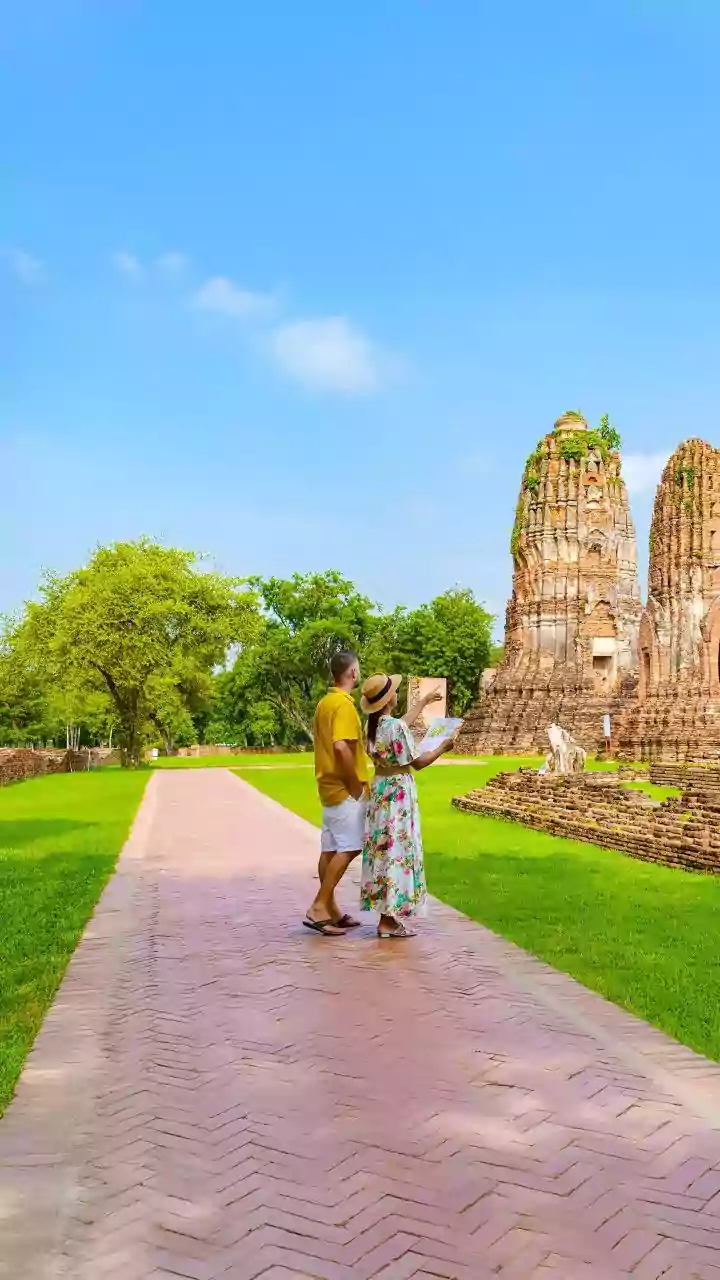
The feeling of needing a vacation after your vacation is a common symptom of 'checklist tourism'. The pressure to see and do everything can lead to travel burnout, leaving you exhausted rather than refreshed. An experience-first approach is the natural antidote. Closely linked to the 'slow travel' movement, it encourages you to do less, but do it better. Instead of rushing between five cities in a week, you might choose to settle into one neighbourhood for several days, discovering its rhythms, frequenting a local cafe, and exploring without a strict agenda. This slower pace allows for spontaneity and discovery, the very things a rigid itinerary squeezes out. Building 'rest days' into your plan, where there are no set activities, is crucial for avoiding exhaustion and truly enjoying your surroundings. The goal is to return home with lasting memories and a sense of connection, not just a long list of places you've been.
Asia: A Perfect Canvas for Immersive Journeys
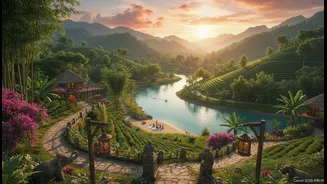
With its diverse cultures, rich traditions, and incredible landscapes, Asia offers a vast playground for the experience-first traveller. Indian travellers are increasingly looking towards short-haul destinations in the region for these kinds of immersive trips. You could find yourself learning about sustainable farming on a community-based tour in Thailand, exploring the ancient town of Hoi An in Vietnam by bicycle, or attending a local festival in Luang Prabang, Laos. Many travellers are now planning their entire trips around specific interests, whether it's a food trail through Malaysia, a diving course in the Philippines, or a wellness retreat in Indonesia. In China, tourists are flocking to less-travelled western provinces to connect with minority cultures, a clear rejection of fast-paced city tourism. These journeys focus on authentic cultural exchange, like sharing a meal with a local family or learning a traditional craft, creating memories that last far longer than a simple sightseeing tour.