








The Heart of Conscious Gifting
Conscious gifting is about moving beyond mass-produced items to choose presents that are meaningful, ethical, and kind to the planet. It’s a thoughtful approach that values quality over quantity and considers the entire lifecycle of a gift, from its origin
to its packaging. The goal is to give something that not only delights the recipient but also supports local economies and minimises environmental impact. Choosing artisan-made goods is a cornerstone of this philosophy. Each handcrafted item carries a unique story, reflecting centuries-old traditions and the personal touch of its maker. By supporting artisans, you help preserve cultural heritage and provide a sustainable livelihood for skilled craftspeople and their communities. A conscious gift is a statement of your values, showing you care about craftsmanship, sustainability, and the story behind the product.
Where to Find Authentic Indian Artisan Goods
Finding genuine handmade products requires looking beyond conventional stores. One of the most reliable sources is government-backed emporiums and initiatives. The Ministry of Textiles supports portals like IndiaHandmade.com, which connect buyers directly with weavers and artisans, ensuring fair compensation and authenticity. Physical stores like state emporiums and Dilli Haat also offer a curated selection of crafts from specific regions.Online marketplaces dedicated to ethical and sustainable products are another excellent resource. Look for platforms that clearly feature the artisans behind the products and provide details about their craft. Websites that verify their sellers or focus on specific craft clusters can offer an added layer of trust. Finally, don't underestimate the power of local markets and craft fairs. These events, often organised by NGOs like the Crafts Council of India, provide a direct link to the artisans themselves, allowing you to learn about their process firsthand.
Assembling the Perfect Artisan Hamper
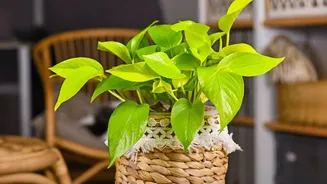
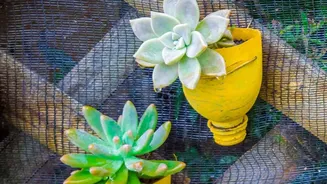
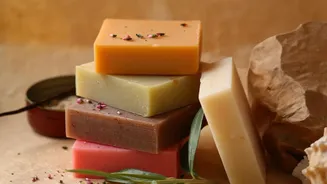
A well-curated hamper is more than a collection of items; it’s a cohesive experience. Start with a theme—perhaps wellness, gourmet food, or home decor. For a wellness hamper, consider handmade soaps, herbal skincare kits with Ayurvedic ingredients, essential oils, or even a pure copper water bottle. A foodie hamper could feature artisanal chocolates, organic teas, cold-pressed oils, or locally sourced honey and preserves in reusable glass jars.For home decor lovers, think of hand-painted wooden trays, terracotta planters, or block-printed table linen. Sustainable fashion accessories like handloom scarves, cork wallets, or bags made from upcycled fabrics also make for unique and thoughtful additions. The key is to select items that are not only beautiful but also useful, ensuring your gift will be cherished and used rather than forgotten.
The Art of Plastic-Free Packaging
How you present your gift is just as important as what’s inside. Ditch the glossy, non-recyclable wrapping paper and plastic ribbons. Instead, embrace creative, eco-friendly alternatives. Kraft paper is a versatile and biodegradable option that can be decorated with hand-drawn patterns or stamps. Old newspapers, maps, or even colourful magazine pages add a vintage, upcycled charm.The Japanese art of Furoshiki, which uses fabric to wrap gifts, is both beautiful and functional; the cloth wrap, such as a scarf or a tea towel, becomes part of the present itself. For the hamper base, choose a reusable container like a woven basket, a wooden crate, or a sturdy jute tote bag. Fill any empty space with natural materials like shredded paper, dried leaves, or wood shavings instead of plastic. For the finishing touch, use twine, jute string, or fabric strips instead of plastic tape, and adorn the package with natural elements like a sprig of rosemary, a cinnamon stick, or a dried orange slice.
How to Spot Genuine Handcrafted Quality
In a market flooded with mass-produced goods labeled as 'handmade,' knowing how to identify authentic craftsmanship is key. True handmade items are rarely perfect. Look for small imperfections and natural variations—these are not flaws but signs of human touch. This could be slightly uneven stitching, minor asymmetries in pottery, or visible tool marks on woodwork. If every item in a collection looks identical, it was likely made by a machine. Ask about the maker and their process; a genuine artisan will have a story to tell about their materials and techniques. Also, check for certifications like a Geographical Indication (GI) tag, which authenticates a product's origin and the traditional methods used to create it.