





The Seeds of a Textile Powerhouse
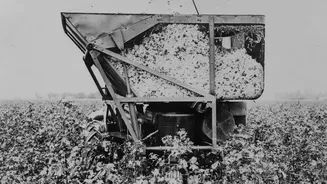
Coimbatore's destiny as a textile giant was written in its geography. The region is blessed with rich, black soil that is ideal for cultivating cotton. This agricultural advantage, combined with a moderate climate perfect for spinning yarn, set the stage
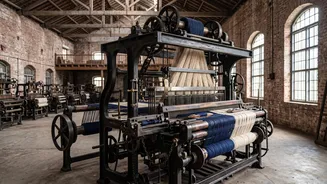
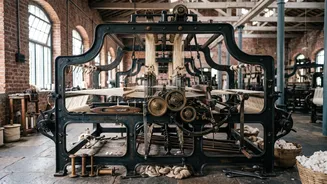
for an industrial boom. The story of modern textiles began in the late 19th century with the establishment of the first mills, such as the Coimbatore Spinning and Weaving Mills in 1888, founded by Sir Robert Stanes. This pivotal moment, powered by the advent of hydroelectricity from the nearby Western Ghats, ignited the city's transformation from a quiet town into a bustling industrial centre.
Earning the 'Manchester' Moniker
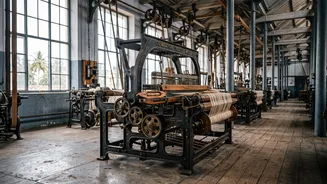
The early 20th century saw Coimbatore's textile industry flourish, particularly in the 1920s and 1930s. As mills multiplied, the city became a powerhouse of cotton production, supplying not just India but also exporting yarn and fabrics abroad. This extensive industrial landscape, centered around cotton, is precisely why Coimbatore came to be known as the 'Manchester of South India'. It was a direct parallel to the English city that was the heart of the world's textile manufacturing during the Industrial Revolution. This period established a legacy of entrepreneurship and industrial acumen that continues to define the city today.
Experiencing the Legacy Today: Museums
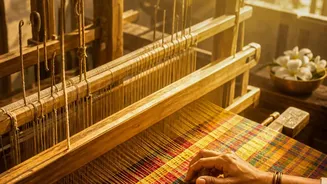
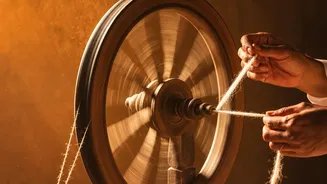
For travelers keen to dive into this history, the city offers dedicated spaces that chronicle its textile journey. A must-visit is the Kasthuri Sreenivasan Art Gallery and Textile Museum. Here, you can trace the evolution of textile technology from ancient spinning wheels to modern machinery. The museum displays a fascinating collection of old looms, fabrics, and even a 1000-year-old textile fragment, providing a tangible connection to the past. Another heritage stop is the Gass Forest Museum, located in a century-old Gothic-style building. While focused on forestry, its collection often includes exhibits related to the region's natural resources that fueled its industries.
A Shopper's Paradise: From Sarees to Shirts
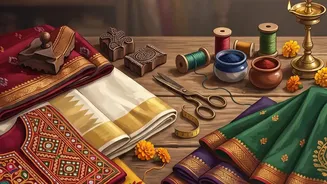
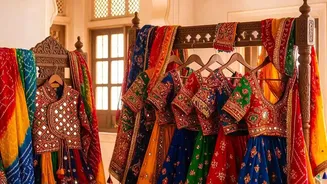
No exploration of Coimbatore's textile story is complete without indulging in some shopping. The city remains a prime destination for high-quality fabrics at competitive prices. The old city centre, with its bustling streets like Oppanakara Street, Big Bazaar Street, and Raja Street, forms the heart of the textile trade. These markets are a treasure trove for everything from ready-made garments to fabric by the metre. For a more curated experience, large retailers like The Chennai Silks and Pothys offer vast collections under one roof. Many shops also provide in-house tailoring, allowing you to get a custom-stitched shirt from fabric you just purchased.
The Pride of Kovai: Kora Cotton Sarees
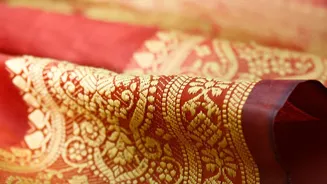
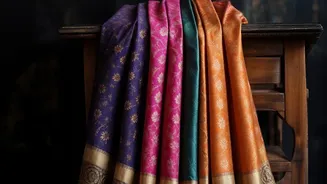
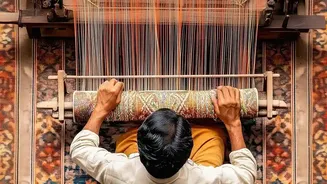
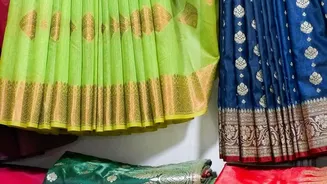
Among its many textile offerings, Coimbatore is famous for the Kovai Kora Cotton Saree, a unique blend of silk and cotton. This fabric has earned a Geographical Indication (GI) tag, signifying its unique origin and quality. Known for their light weight, soft texture, and elegant borders, these sarees are woven by traditional weavers in and around the region, particularly in areas like Sirumugai. Buying a Kovai Kora saree is more than just a purchase; it's an opportunity to support local artisans and take home a piece of Coimbatore's authentic weaving heritage.