




Thinking of growing your own tart, festive cranberries? It’s more achievable than you might think. With the right pot, soil, and care, you can cultivate these unique berries right inside your home. Here’s what you need to know to get started.
Choosing Your Pot and Plant
Success with
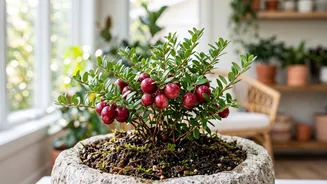
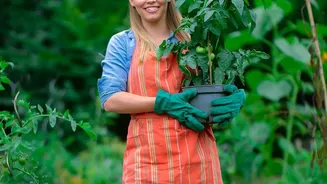
potted cranberries begins with the right setup. Since cranberry plants have shallow roots and spread via runners, a wide, shallow container is better than a deep one. Look for a pot at least 12 inches in diameter, such as a window box or trough-style planter, to give the runners room to grow. Good drainage is crucial to prevent root rot, so ensure your container has holes. When selecting a plant, look for varieties known to do well in containers. While many commercial varieties like 'Pilgrim' or 'Stevens' are available, compact types such as 'Franklin' are specifically recommended for container growing. You'll typically buy young plants, as growing from seed can take three to five years to yield fruit.
The All-Important Acidic Soil
Cranberries are members of the Ericaceae family and are acid-loving plants, just like blueberries and azaleas. This is non-negotiable for their survival. They thrive in a soil pH between 4.0 and 5.5. Do not use standard garden soil, which is typically not acidic enough and compacts easily. The ideal potting medium is a mix designed for acid-loving plants or a homemade blend. A popular recipe is two parts peat moss to one part coarse sand, with some ericaceous compost mixed in. Peat moss provides the necessary acidity and moisture retention, while sand ensures the mix remains loose and well-aerated.
Light and Water Requirements
Cranberries need full sun to produce an abundant harvest, which means at least six hours of direct sunlight per day. An unobstructed south-facing window is an ideal location indoors. If you lack sufficient natural light, you will need to supplement with a grow light to ensure the plant gets the energy it needs for flowering and fruiting. True to their boggy origins, cranberries require consistently moist soil. They do not like to dry out, especially during the growing season. Water the plant regularly, ensuring the soil feels damp to the touch but not waterlogged. Using rainwater is preferable, as tap water can be alkaline and may raise the soil's pH over time. A self-watering pot can be an excellent tool to maintain consistent moisture.
The Crucial Chilling Period
This is the step many indoor gardeners miss. To produce flowers and fruit, cranberry plants require a mandatory winter dormancy period with cold temperatures. This is known as a chilling requirement. The plant needs to experience a certain number of 'chill hours'—generally defined as time spent at temperatures below 45°F (7°C). Different sources suggest this could be anywhere from 650 to 1,500 hours, or roughly two months. For an indoor plant, this means you'll need to move your pot to a protected but unheated location for the winter, such as a garage, shed, or a cold balcony. The goal is to keep it cold without letting the pot freeze solid. During this time, the plant will be dormant and require very little water.
Pollination, Fruiting, and Fertilizing
When spring arrives and temperatures warm up, your plant will break dormancy and begin to produce small, pinkish flowers. Since you likely don't have bees buzzing around your living room, you may need to handpollinate to ensure fruit set. This is a simple process. Use a small, soft brush or a cotton swab to gently transfer pollen from one flower to another. Once pollinated, the flowers will give way to small green berries that will slowly grow and ripen. For fertilizer, use a light hand. A slow release acidic fertilizer or a light application of fish emulsion in the spring is sufficient. Avoid overfertilizing, which can promote leafy growth at the expense of fruit.
Harvesting Your Homegrown Berries
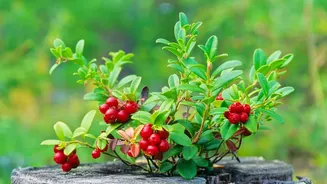
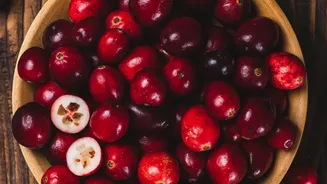
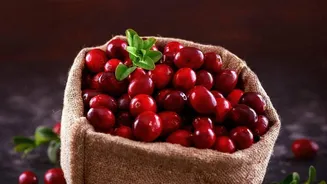
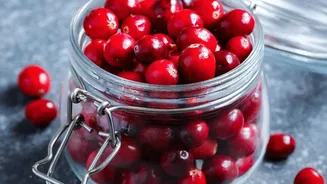
After two to three years of maturing, your cranberry plant should begin to produce a reliable crop. The berries are ready to harvest in the fall, typically from late September through November, when they have turned their characteristic deep red color. A ripe cranberry will be firm to the touch. For container gardening, the harvesting method is simple 'dry picking'. Gently run your fingers through the vines and pluck the berries, letting them fall into a basket. Be gentle to avoid damaging the plant. Freshly picked cranberries will have a satisfying bounce, a sign of their quality. You can expect to harvest about a pound of fruit per plant once it's well established.