
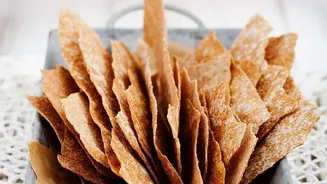
What Exactly Is Friselle?
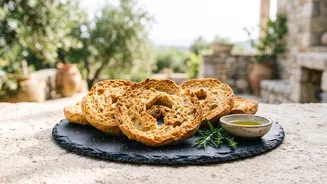
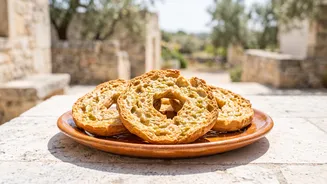
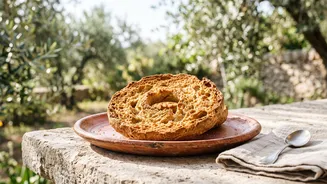
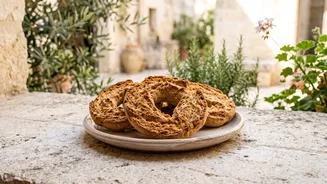
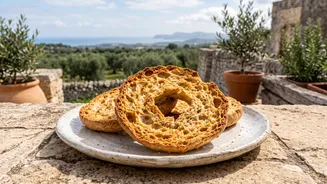
Friselle, also known by names like freselle or frise, are hard, ring-shaped breads originating from Southern Italy, particularly the regions of Puglia, Campania, and Calabria. They are traditionally made from simple ingredients: durum wheat or barley
flour, water, yeast, and salt. At first glance, they might look like a rustic, oversized, and very hard bagel. The key to their identity is a double-baking process. The dough is first shaped into rings and baked until cooked through. Then, while still warm, the rings are split horizontally and baked a second time at a lower temperature until they are completely dry and brittle. This process, similar to making rusks or biscotti, is what gives friselle its incredible longevity.
The Secret to Its Long Shelf Life
The headline-grabbing claim that friselle can last for a year isn't just an exaggeration; it's rooted in the science of its preparation. The second baking is designed to drive out every last bit of moisture. Without water, mould and bacteria have no environment in which to grow, effectively preserving the bread. When stored properly in an airtight container away from humidity and light, friselle can indeed last for many months, with some bakers confidently stating they remain good for up to a year. This made them the original survival food, a perfect provision for sailors on long sea voyages, farmers in remote fields, and even Crusaders on their journeys. The hole in the middle was practical, allowing them to be strung on a rope for easy transport and storage.
From Hardtack to Delicacy
Because they are rock-hard, friselle are never eaten dry. The magic is in the rehydration. This process, called 'sponzare' in Italian, involves a quick dip in cold water—just a few seconds is all it takes. The goal is to soften the rough, porous interior while allowing the smooth outer crust to retain a bit of its crunch, creating a unique dual texture. Historically, sailors would dip them in seawater, seasoning them naturally. Today, a bowl of fresh water does the trick. Once softened, the frisella transforms from a simple dry rusk into a delicious canvas ready for toppings.
How to Enjoy Friselle the Classic Way
The most iconic and beloved way to serve friselle is simple, fresh, and summery. After a quick dip in water, the softened bread is placed on a plate and traditionally topped with a heap of freshly chopped ripe tomatoes, a generous drizzle of high-quality extra virgin olive oil, a sprinkle of salt, and a pinch of dried oregano or fresh basil. The porous bread soaks up the tomato juices and olive oil, creating a flavourful and satisfying bite that is part salad, part bruschetta, and entirely delightful. It’s a dish that perfectly embodies the philosophy of Italian cooking: simple, high-quality ingredients allowed to shine on their own.
Beyond Tomatoes and Oil
While the classic tomato topping is a must-try, the versatility of friselle is part of its charm. Think of it as a sturdier, more interesting alternative to toast or crackers. You can crumble it into salads like a panzanella, use it to scoop up dips, or get creative with toppings. Other popular combinations include tuna and red onion, creamy white beans with rosemary, or even spicy spreads like Calabrian 'nduja. Some enjoy it with sautéed clams, using the flavourful broth to moisten the bread. Whether for a quick lunch, a rustic appetiser, or a light dinner, friselle offers endless possibilities drawn from a single, brilliantly simple concept.