

The Anatomy of a Ticking Time Bomb
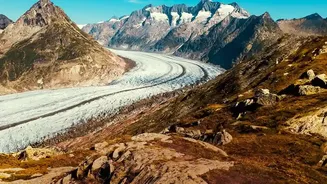
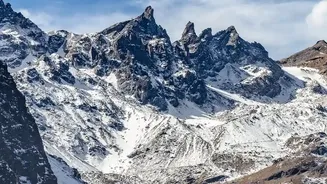
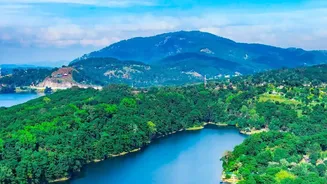
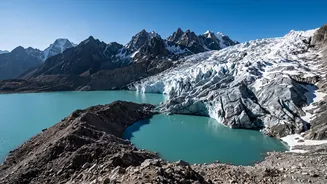
The story of these floods begins not with water, but with ice. As glaciers in the Himalayas retreat due to rising global temperatures, they leave behind vast depressions in the landscape. Meltwater fills these basins, creating large bodies of water known
as glacial lakes. The problem is what holds this water back. Instead of solid bedrock, many of these lakes are dammed by moraines—unstable walls of loose rock, sediment, and ice left behind by the receding glacier. As the lake grows, the volume of water exerts immense pressure on this fragile natural dam.
What Pulls the Trigger?
A moraine dam can fail for several reasons, leading to a catastrophic breach. The trigger can be a massive external event, like a rockfall or an ice avalanche crashing into the lake. This impact creates a huge displacement wave, similar to a tsunami, that can overtop and rapidly erode the dam. Earthquakes, common in the seismically active Himalayan region, can also destabilize the delicate structure, causing it to collapse. Sometimes, the failure is more gradual. Water can begin seeping through the moraine, a process called piping, which slowly weakens the dam from within until it gives way. Rising temperatures also contribute by melting the ice core within the moraine itself, compromising its structural integrity.
Not Just Water, But a Wall of Debris
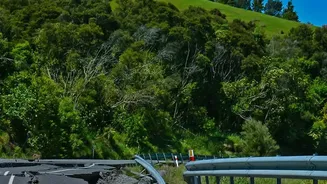
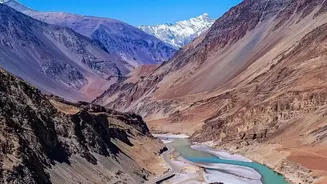
What makes a GLOF so exceptionally destructive is that it's not simply a release of water. As the floodwaters burst through the dam, they carry with them millions of cubic metres of rock, mud, and ice. This slurry transforms into a fast-moving debris flow, often described as an 'inland tsunami'. It has the consistency of wet concrete and moves with enough force to pulverise anything in its path, from bridges and roads to hydropower plants and entire villages. The torrent scours the valley, gaining more sediment as it thunders downstream, amplifying its destructive power far from the original source. A recent event in Nepal saw river levels rise by nine metres in just half an hour, illustrating the terrifying speed and volume of these floods.
Nepal's Extreme Vulnerability
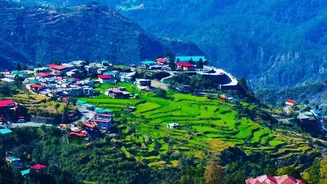
Nepal is a global hotspot for GLOFs due to a combination of factors. Its dramatic topography, with steep valleys descending from the world's highest peaks, provides the perfect channel for these destructive flows. The country is home to thousands of glaciers and a rapidly growing number of glacial lakes; a 2018 report mapped over 25,000 in the wider Hindu Kush Himalayan region. More than 20 lakes in Nepal alone are considered potentially dangerous. Since 1977, the country has experienced over two dozen GLOF events, with climate change expected to increase their frequency and severity. The glaciers in Nepal are now melting 65% faster than they did in the previous decade, compounding the risk with each passing year.