


The Monsoon's Wild Makeover
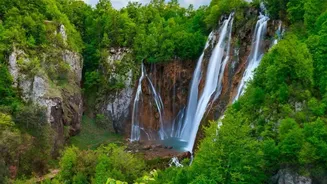
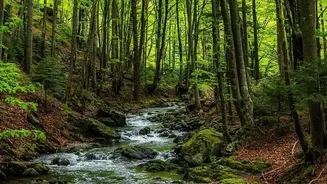
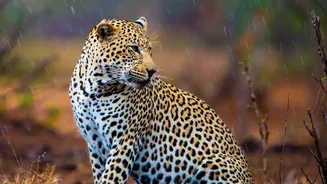
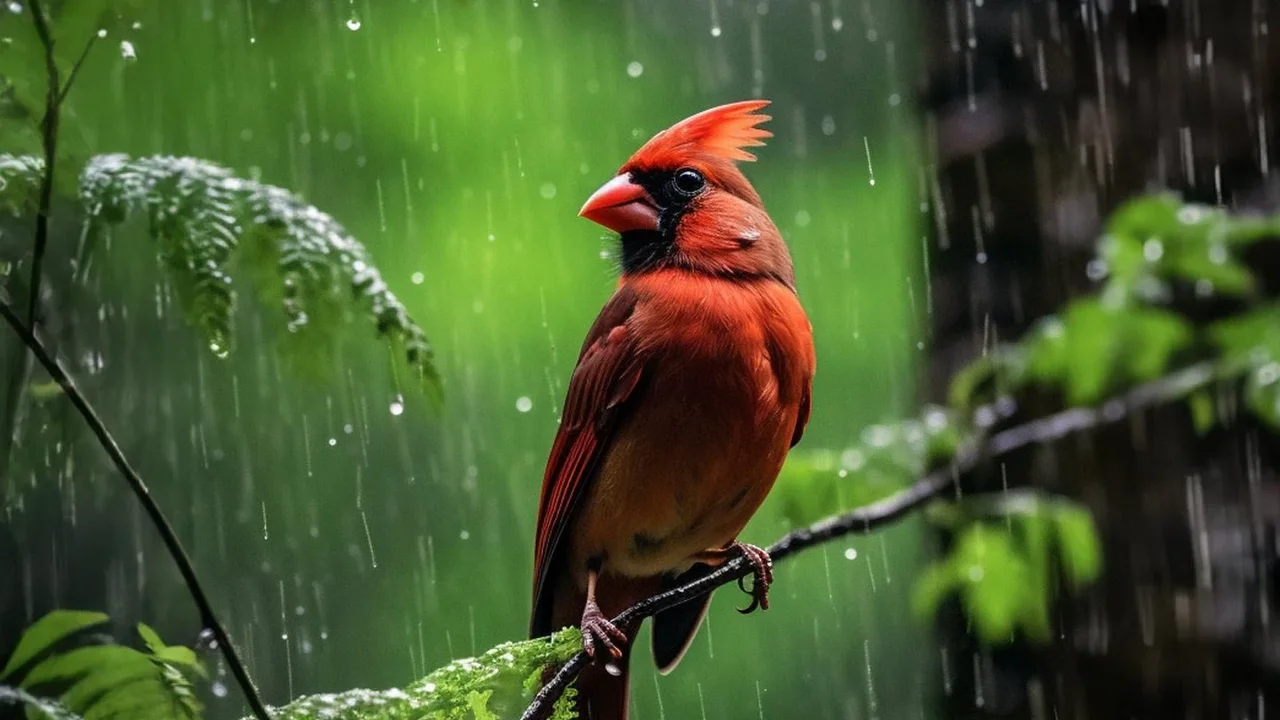
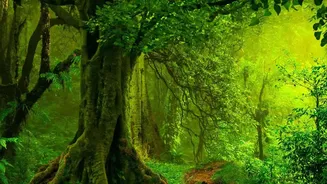
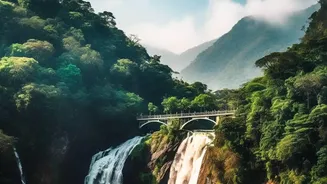
The Indian monsoon is a season of transformation. It turns parched landscapes into lush, emerald forests, replenishes water sources, and triggers a burst of life. For national parks and wildlife sanctuaries, this period is crucial for ecological regeneration
and serves as a vital breeding season for many species. To protect these fragile ecosystems and ensure animal populations can thrive without disturbance, authorities traditionally close the core zones of most major tiger reserves. These closures typically run from June or July through September, when heavy rains can make forest tracks impassable and unsafe for safari vehicles. This annual shutdown is a predictable part of the wildlife calendar, allowing the jungle to heal and prepare for the peak tourist season that begins in October.
When Nature Rewrites the Calendar
In recent years, the reliable rhythm of the monsoon has started to shift. Climate change is contributing to more erratic and intense rainfall, leading to delayed onsets, sudden cloudbursts, and extended wet spells. This unpredictability means scheduled park reopening dates can be pushed back, or parks might close unexpectedly due to flooding or landslides, especially in hilly regions. A planned trip to a park's core zone can be disrupted with little notice, leaving travellers with non-refundable bookings and dashed hopes. It’s this growing uncertainty that has elevated the importance of flexible travel dates, allowing visitors to adapt their itineraries to the dynamic weather conditions.
The Smart Traveller's Guide to Flexibility
So, what does “flexible travel” mean for a wildlife trip? It goes beyond just booking a flight that can be rescheduled. True flexibility involves a multi-layered approach to planning. This includes booking hotels and resorts that offer lenient cancellation or date-change policies. Many tour operators who specialize in wildlife travel now offer packages with built-in flexibility, understanding that nature doesn't always adhere to a strict schedule. It also means communicating with your travel agent or safari lodge about contingency plans. For example, if your primary park destination becomes inaccessible, is there a nearby buffer zone or an alternative sanctuary you could visit instead? Having these backup options discussed in advance can turn potential travel chaos into a seamless new adventure.
Monsoon Safaris: Where to Go When Parks 'Close'
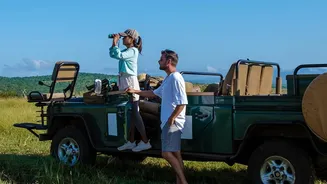
The word "closed" can be misleading. While the core areas of many famous parks like Bandhavgarh, Kanha, and Gir shut down completely, several reserves offer fantastic wildlife experiences in their buffer zones, which often remain open year-round. Ranthambore National Park in Rajasthan, for instance, keeps its zones 6 through 10 open for safaris, offering a chance to see the landscape in its greenest glory with fewer crowds. Similarly, Jim Corbett National Park in Uttarakhand keeps its Jhirna and Dhela zones accessible, providing opportunities for memorable sightings against a vibrant, rain-washed backdrop. Parks in Southern India, like Periyar, Nagarhole, and Bandipur, also tend to remain largely operational, with activities like boat safaris offering a unique way to see wildlife, particularly elephants, during the rains.
Planning for a Rewarding Monsoon Trip
A monsoon safari is a different experience from a dry-season trip. The forest is dense and magnificently green, the air is fresh, and the experience can feel more intimate and serene. While spotting animals in the thick foliage can be more challenging, the rewards are immense for photographers and nature lovers. To make the most of it, pack waterproof gear, protect your camera equipment, and be prepared for humidity and insects. Most importantly, embrace the spirit of the season. A monsoon safari is less about ticking off a checklist of sightings and more about immersing yourself in the jungle at its most atmospheric and alive. By choosing the right destinations and building flexibility into your plans, you can witness a side of India’s wilderness that many tourists miss.