







The Lure of the Market
We've all seen the stories. Friends, colleagues, and social media influencers talking about their multi-bagger stocks and the incredible returns they’ve made. The fear of missing out (FOMO) is a potent force, pushing many new investors to pour their savings
into the market, hoping to catch the next big wave. This rush is understandable, especially in a growing economy where equity seems like the fastest path to wealth creation. However, this approach of investing every spare rupee without a safety net is like building a skyscraper without a foundation. It might look impressive for a while, but it’s dangerously unstable.
Your Financial Shock Absorber
Enter the emergency fund. Think of it not as money that’s sitting idle, but as your personal financial shock absorber. It’s a dedicated pool of cash meant to cover unexpected life events without forcing you to derail your long-term goals. A sudden medical bill, an urgent home repair, or, most critically, a job loss can create a financial crisis. If your only significant asset is your stock portfolio, you might be forced to sell your shares at the worst possible time—perhaps during a market downturn—locking in losses and destroying your investment strategy. An emergency fund gives you a crucial buffer, allowing you to handle crises with cash, not by liquidating your future.
The 'How Much' Question
The golden rule for an emergency fund is to have enough to cover three to six months of essential living expenses. How do you calculate this? Start by listing your non-negotiable monthly costs: rent or home loan EMI, utility bills (electricity, water, internet), groceries, transportation, insurance premiums, and any other essential recurring payments. Multiply that monthly total by three to get your minimum target. If you are in a less stable job, are the sole earner, or have dependents, aiming for six months or even more provides a much stronger safety net. Don't be daunted by the final number; the goal is to start building it, one month at a time.
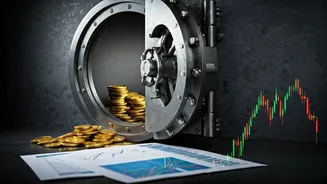
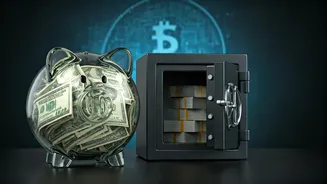
Where to Park Your Vault
The two most important features of an emergency fund are safety and liquidity. This means the money must be protected from market risk and be accessible within a day or two. Your stock portfolio fails both tests. The ideal place for your emergency fund is not under your mattress, but in financial instruments that offer stability. Good options in India include: 1. **High-Yield Savings Accounts:** Simple, safe, and instantly accessible. 2. **Fixed Deposits (FDs):** You can create an FD 'ladder'—multiple FDs maturing at different times—to balance returns and accessibility. Many banks now offer FDs that can be broken instantly with a small penalty. 3. **Liquid Mutual Funds:** These funds invest in very short-term debt instruments and are known for their high liquidity and relatively stable, though not guaranteed, returns. They are generally considered a step up from a standard savings account.
The Freedom to Invest Confidently
Here is the ultimate payoff. Once your emergency vault is full, you are financially and psychologically free to invest for the long term. When the market inevitably drops, you won't feel the panicked urge to sell. You know your daily life is secure, so you can afford to leave your investments alone and let them recover, which they historically do. This separation of 'survival money' from 'investment money' is what distinguishes a disciplined investor from a frantic gambler. It allows you to take calculated risks in the market because your basic needs are already secured. You can invest with a clear head, focusing on your goals, not on market noise.